The House of Terror Museum Reopens Its Doors Next Week — And Entry Is Free
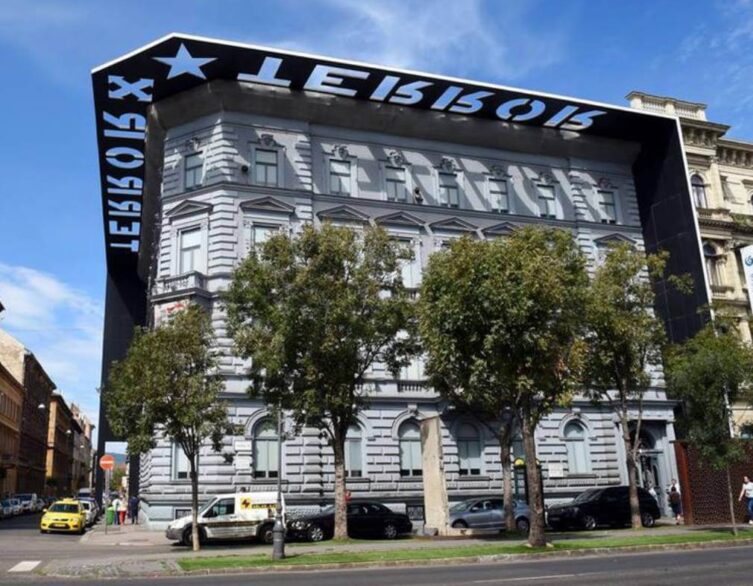
Budapest’s most talked-about history museum is about to make headlines again, and this time the news is good for anyone planning a trip to the Hungarian capital. The House of Terror Museum, one of the city’s most visited and most sobering attractions, will reopen on Tuesday, September 22, following a short closure, according to an announcement from Minister for Social Relations and Culture Zoltán Tarr. For a full week after reopening, admission will be completely free for every visitor, making this an unusually good moment to add the museum to your Budapest itinerary.
Why the Museum Closed, and What Happens Now
The temporary shutdown wasn’t about renovations or maintenance. It came alongside a broader shake-up: the foundation that had operated the museum was dissolved as part of a wider government wind-down of dozens of public-interest asset management foundations that don’t run higher education institutions, and responsibility for the museum’s operation and collection passed directly to the Ministry for Social Relations and Culture. At the same time, the museum’s long-serving director was removed from her post, and the ministry launched a professional review of the permanent exhibition itself, to be carried out by researchers from Eötvös Loránd University’s Institute for Historical Research together with independent experts.
Minister Tarr framed the review around the museum’s core mission: to give an authentic, professionally grounded account of the darkest chapters of Hungary’s twentieth-century history. Until that review wraps up, the exhibition will remain on display in its current form, so visitors arriving after the reopening will see the same halls, artifacts, and multimedia displays that have made the museum famous, just under new institutional management. In other words, nothing about the visitor experience itself changes for now, only who runs the show behind the scenes.
Best deals of Budapest







What You’ll See Inside
The House of Terror occupies a building on Andrássy Avenue that once served as the headquarters first of the fascist Arrow Cross regime’s secret police and later of the communist-era ÁVH state security agency, which is precisely what gives the museum its haunting power. Exhibits spread across multiple floors walk visitors through the mechanics of both dictatorships: propaganda, surveillance, forced resettlement, show trials, and the machinery of political terror that shaped Hungary through much of the twentieth century. The basement, reconstructed to resemble the original detention cells and interrogation rooms, tends to leave the strongest impression on first-time visitors, and it’s fair to say this isn’t a lighthearted outing. Budget around two to three hours if you want to take it all in properly, and consider the audio guide, since much of the context that makes the exhibits meaningful is delivered through recordings and narration rather than lengthy wall text.
Planning Your Visit
The museum sits at Andrássy út 60, in the sixth district known as Terézváros, an easy walk from the Oktogon junction or a short ride on the M1 yellow metro line to Vörösmarty utca station. Outside the free-entry week following the reopening, standard adult tickets run around 4,000 forints, with reduced-price tickets available for students and seniors, and there is no online booking system, so tickets are purchased directly at the door. Regular opening hours are Tuesday through Sunday from 10 a.m. to 6 p.m., with the museum closed on Mondays and the ticket desk shutting half an hour before closing time, though it’s worth double-checking hours closer to your visit given the recent changes at the institution.
If your trip happens to fall in the week starting September 22, you’re in luck: every visitor gets in free of charge, which also means the museum is likely to be busier than usual, so arriving earlier in the day is a smart move if you want some breathing room while working through the exhibits. Whether you visit during the free week or afterward, the House of Terror remains one of the most powerful ways to understand how twentieth-century Hungary lived through, and eventually broke free from, two of history’s most oppressive systems.
Related news
Related attractions