BUHERA at the Museum of Ethnography: Budapest’s Clever Look at Communist-Era Jerry-Rigging
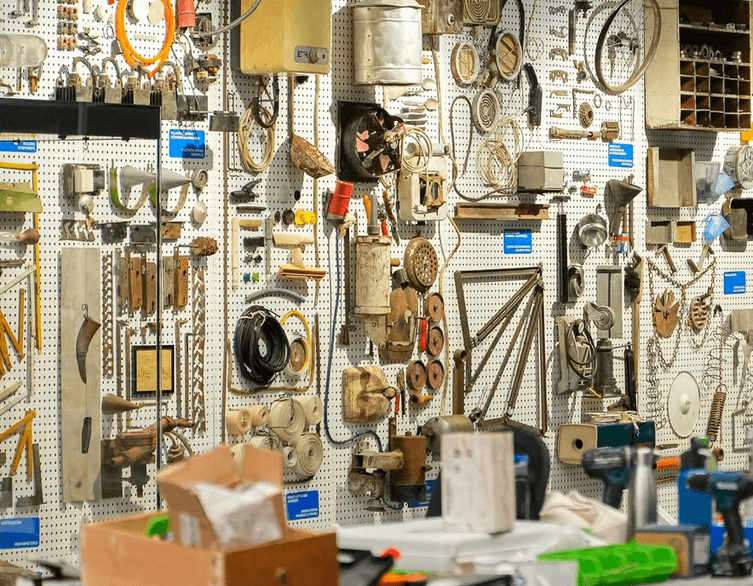
If you want to see a side of Hungarian history that most guidebooks skip, head to the Museum of Ethnography in Budapest. Its new temporary exhibition, BUHERA (also titled “Jerry-Rigging” in English), opened on 20 November 2026 and runs until 19 September 2027. It’s a witty, thoughtful and sometimes startling look at how ordinary people got by during the Kádár era.
What Does “Buhera” Mean?
Buhera is a Hungarian word for homemade fixes and improvised contraptions, and “jerry-rigging” is the closest English match. It can describe real skill, and it can also describe a bit of cunning. The writer Péter Esterházy put it neatly: jerry-rigging is survival, though nobody can say what it cost. That double meaning, resourcefulness on one side and forced adaptation on the other, runs through the whole show.
From Washing Machine Motors to Pram Wheels
Picture a lawnmower powered by a washing machine motor, or a gas cylinder carrier built from a pram wheel. In the decades of socialism, you often couldn’t buy what you needed, so you made it from whatever was at hand. Sometimes the spark was as simple as seeing a neighbour’s new gadget. Hungarian visitors will recognise the old line: “But Béla already has a lawnmower, so when will we get one?”
The exhibition covers the 1950s to the late 1980s. It shows how a whole material culture grew out of scarcity, old peasant know-how and the technical skills people picked up in factories, workshops and agricultural cooperatives. After collectivisation and industrialisation, many men learned to weld, drill, use a lathe and fit electric motors, then put those skills to work at home, in their gardens and on building sites. Garages were full of pipes, engines and wheels waiting for a second life.
Parts and tools were only half the story. You also had to know who could find iron or pipe, who could weld and who would lend a machine, and then repay the favour. So BUHERA is as much about trust, reciprocity and personal connections as it is about gadgets.
Best deals of Budapest











Two ethnographer-curators, Gábor Kőszegi and Tamás Móser, carried out several years of nationwide fieldwork for the show. They gathered the objects along with the knowledge and personal stories behind them, and many of these pieces now belong to the museum’s collection. One separate section features explicit, intimate and sexual content, so visitors under 18 should be accompanied by a parent or guardian.
Board Game Day on 29 November
On Sunday, 29 November 2026, the museum hosts a game event around Buhera – Jó lesz még valamire! (“It’ll still come in handy!”). The board game won the 2026 Game of the Year (Ország Játéka) expert jury award in the family games category. The day starts with a guided tour by a curator. Then designer Zoltán Győri explains the rules, and teams compete in qualifying rounds, with finalists playing against him.
There are two sessions, 11:00–13:30 and 13:00–15:30, each for up to four teams of up to five people. Ticket holders get 500 HUF off the game in the museum shop that day. Places are limited, so book early. The programme is in Hungarian only.
Plan Your Visit
The Museum of Ethnography is at Dózsa György út 35, 1146 Budapest, in the City Park area, a short trip from the city centre. It’s open Tuesday to Sunday, 10 AM to 6 PM, and closed on Mondays. The ticket office closes at 5:30 PM. Tickets are sold online through the museum’s ticketing site, and you can call the museum on +36 1 474 2100.
- Event: BUHERA – Jerry-Rigging, temporary exhibition
- Venue: Museum of Ethnography, Dózsa György út 35, 1146 Budapest
- Dates: 20 November 2026 – 19 September 2027
- Hours: Tuesday–Sunday, 10 AM–6 PM; closed Mondays
- Curators: Gábor Kőszegi and Tamás Móser
- Special event: Board game day, 29 November 2026, in Hungarian
- Note: One section has adult content; under-18s should be accompanied by a parent or guardian
Related news
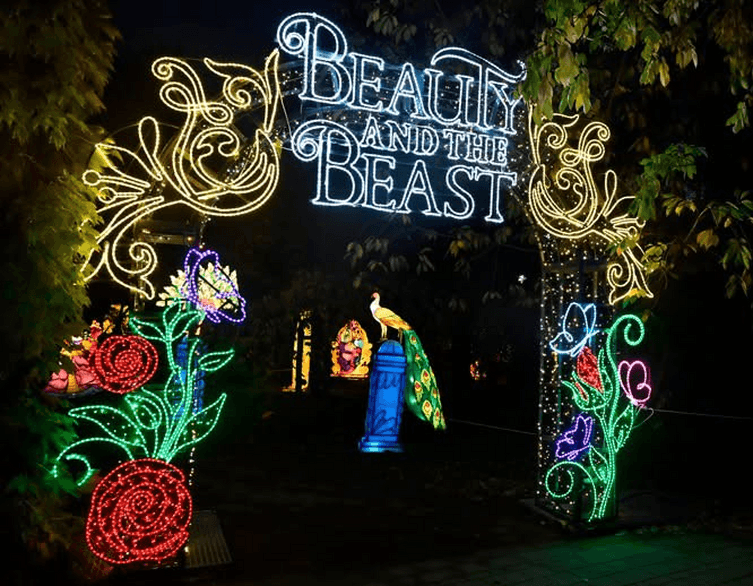
Immersive Light Events in Budapest: What’s On in Winter 2026–27
Follow the White Rabbit across Margaret Island, see City Park from a glowing Ferris wheel or spend a cold afternoon inside Van Gogh’s The Starry...
Exhibitions in Budapest This Winter 2026: Art, Photography, History and Unexpected Discoveries
A bronze Apollo rediscovered under the wrong identity, Freddie Mercury’s personal belongings, recreations of Tutankhamun’s treasures and objects...
Budapest’s Museum of Ethnography Wins Major International Digital Innovation Awards
Budapest’s cultural scene just got another major boost on the international stage. The Museum of Ethnography has captured two prestigious awards...
Budapest’s Museum of Ethnography Wins New International and National Honors
Budapest’s cultural scene has once again received the spotlight as the Museum of Ethnography (Néprajzi Múzeum) collected prestigious awards...
The Museum of Ethnography of Budapest Wins Prestigious IF Design Award
Budapest, a city celebrated for its rich history and architectural splendor, has added yet another jewel to its crown. The Museum of Ethnography,...
Discover a World of Wonders at the Museum of Ethnography’s Renewed Permanent Exhibition
Exciting news for culture enthusiasts and curious minds alike! The Museum of Ethnography in Budapest has finally unveiled its highly anticipated...