Óbuda’s Iconic K-Bridge Is Finally Getting a Major Facelift
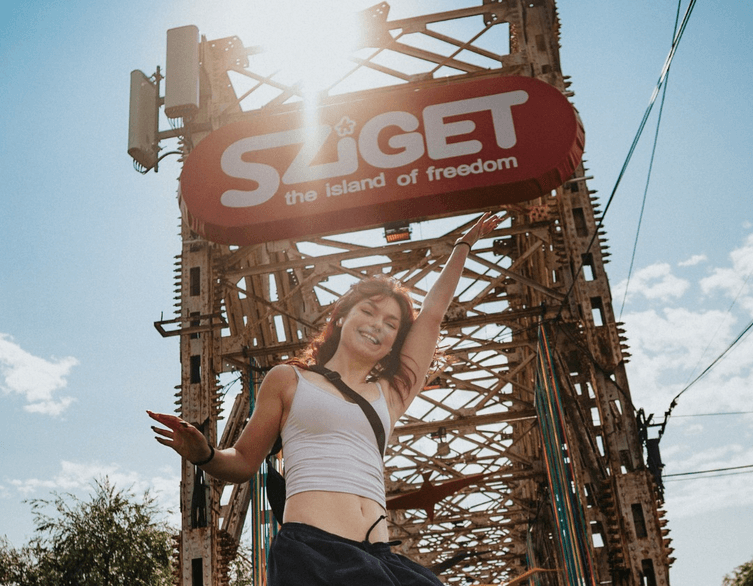
If you have ever crossed the Danube to reach Óbuda Island, also known as Hajógyári Island or Shipyard Island, chances are you did it on foot across the K-Bridge, the slim steel crossing that has quietly carried generations of festivalgoers, joggers, and curious sightseers to and from the island. That bridge is now getting the overhaul it has needed for decades, and the good news for visitors is that the renovation has been planned with tourists and festival crowds firmly in mind.
Budapest Közút, the city’s road management company, announced that the public procurement process for the reconstruction has been successfully completed, and a contract with the winning contractor is expected to be signed before the end of September 2026. According to industry reporting, the construction firm Strabag submitted the most competitive bid for the project, working from designs prepared by Főmterv, the very same engineering firm that designed the original bridge back in the 1950s. Barring delays, work on-site should begin in mid-October 2026.
Why This Bridge Matters to Visitors
The K-Bridge might look unassuming, but it plays an outsized role in Budapest’s cultural calendar. Built in 1957 as what was originally meant to be a temporary railway crossing, it has instead spent nearly seven decades as the main gateway to Óbuda Island. Anyone who has attended Sziget Festival, one of Europe’s largest and most beloved summer music festivals, has almost certainly walked across this bridge, since it forms the primary pedestrian and vehicle link between the mainland and the festival grounds.
Over the years, the structure has shown its age. The current renovation aims to secure the bridge’s long-term safety and durability while carefully preserving its familiar visual character, so travelers and locals alike will still recognize the crossing once the work wraps up. Budapest Közút has been explicit that the project will not change the bridge’s function or appearance, but it will bring a meaningful upgrade to its technical standard and load capacity.
What Changes Tourists Can Expect
For anyone planning a Budapest trip that includes a visit to Óbuda Island, whether for a festival, a riverside walk, or one of the outdoor recreational spots the island is known for, it helps to understand the construction timeline. The project runs in two main phases. The first phase, scheduled to finish by June 2027, covers the reconstruction of the southern pedestrian walkway and the roadway itself. The second phase, planned for September through December 2027, focuses on rebuilding the northern walkway and applying fresh corrosion protection to the steel structure.
Best deals of Budapest











Throughout construction, the bridge will be closed to vehicle traffic, but pedestrians will not be left stranded. One side of the bridge will remain open and fully accessible for foot traffic at all times, meaning walking access to Óbuda Island continues uninterrupted for the entire renovation period.
Here is the detail that will matter most to festival-goers: the construction schedule has been deliberately built around Budapest’s major island events. Work will pause completely during the Generali Gyerek Sziget children’s festival in June and again during the Sziget Festival itself, which returns from August 10 to 14, 2027. During those windows, both pedestrian walkways and the roadway will be fully open, so festival crowds will be able to cross freely on both sides just as they always have.
The Engineering Behind the Upgrade
Beyond the scheduling, the technical scope of the renovation is substantial. Crews will replace the deck slabs on both the roadway and the two pedestrian walkways, and in doing so, they will widen the traffic lane from its current 2.8 meters to 3.5 meters. The pedestrian walkways themselves will stay the same width, so foot traffic capacity will not change, but the new deck will give the whole structure a noticeably higher load-bearing capacity.
The existing steel framework, including the bridge’s distinctive K-shaped lattice trusses and railings, will be repaired where needed and given a new corrosion-resistant coating to protect it against the elements for years to come. Engineers will also fix concrete and embankment damage around the bridge’s foundations and install vibration dampers to counteract the swaying that heavy pedestrian traffic can cause, a detail that should reassure anyone nervous about crossing a crowded footbridge during peak festival hours. Connecting roads and footpaths will be resurfaced, and the southern walkway will gain accessible ramps, making the route to the island friendlier for visitors with mobility needs, strollers, or luggage.
Planning Your Visit Around the Construction
For travelers, the practical takeaway is straightforward: Óbuda Island remains reachable on foot throughout the entire renovation, so day trips, festival visits, and casual strolls along the Danube are not at risk. Drivers heading to the island should expect the bridge to be closed to vehicles for most of the construction period, so anyone relying on a car or taxi to reach the island should plan for alternative routes or rely on walking the final stretch.
Given that this renovation coincides with the run-up to Sziget Festival 2027 and the Generali Gyerek Sziget children’s event, both scheduled around the island in the coming year, it is worth checking current transport updates closer to your travel dates, especially if your visit falls near those events or during the height of construction in 2026 and 2027. Once finished, the refreshed K-Bridge will keep its classic look and steel-trestle charm while offering a wider, sturdier, and more comfortable crossing, ensuring that Óbuda Island’s mix of festivals, green spaces, and riverside charm stays just as accessible as it has always been.
Related news
Sziget Festival’s Biggest 2026 Set Is Now Free to Watch, and 2027 Tickets Are Already Moving
If you missed Sziget Festival this summer, or you were there and just want to relive it, you’re in luck. One of the most talked-about performances...

Sziget Festival 2027: How to Register Now for the Best-Priced Tickets
Sziget Festival is already looking ahead to next summer, and if you’re the kind of traveler who plans festival trips a year in advance, this...
Related events