Fiumei Road Cemetery: Budapest’s National Memorial Site
Fiumei Road Cemetery stands as Budapest’s most significant burial ground and one of Europe’s most important memorial sites. Often compared to Père-Lachaise Cemetery in Paris, this 56-hectare cemetery has served as the final resting place for Hungary’s most notable figures since opening its gates in 1849. Recognized by the Hungarian Parliament in 2013 as a national memorial site, the cemetery preserves the memory of those who shaped Hungarian history, culture, and science.
History of the Cemetery
Foundation and Early Years
The cemetery was established in 1849 as a public cemetery for Pest, created to address overcrowding in existing burial grounds. The city fathers initially intended it as a practical solution rather than a prestigious site. Located where two busy roads meet near the city center, the cemetery’s 56 hectares include 25 hectares of parkland with tree-lined avenues.
The first notable figure to be buried here was Béni Egressy, who composed the music for the Hungarian national hymn Szózat, interred in 1851. In 1855, poet Mihály Vörösmarty, author of the Szózat lyrics, was laid to rest attended by a vast crowd in what became a significant cultural event.
Transformation into a National Pantheon
The cemetery’s evolution from a public burial ground to Hungary’s most prestigious memorial site began after the 1867 Austro-Hungarian Compromise. Victims of the 1848-49 Revolution and Freedom Fight could finally be exhumed from unmarked graves and reburied with proper honors.
The 1870 reburial of Count Lajos Batthyány, Hungary’s first prime minister executed in 1849, marked a turning point in the cemetery’s history. His magnificent mausoleum, designed by Albert Schickedanz and completed in 1874 through national donations, became the cemetery’s first grand monument. The structure established the cemetery as a place of national significance and set the precedent for future memorial architecture.
Ferenc Deák, one of Hungary’s most significant 19th-century politicians, died in 1876, and his funeral became a massive public event. His mausoleum features neo-Renaissance exterior and eclectic interior design created by Kálmán Gerster, with a Renaissance-style sarcophagus crafted by Alajos Stróbl.
The Kossuth Reburial and Its Impact
The most significant event in the cemetery’s transformation occurred in 1894 with the reburial of Lajos Kossuth, leader of Hungary’s 1848-49 Revolution. Kossuth had died in exile in Turin after nearly half a century abroad. Although Emperor Franz Joseph forbade a state funeral, Budapest’s city government organized one of the largest funerary ceremonies ever held in Hungary. His mausoleum, designed by Kálmán Gerster and Alajos Stróbl and completed in 1909, remains Hungary’s largest funerary structure and a powerful symbol of Hungarian independence.
The 20th Century and Political Changes
The cemetery witnessed several pivotal moments in 20th-century Hungarian history. On October 6, 1956, László Rajk, a communist politician executed in a show trial, was reburied here before an estimated crowd of several hundred thousand people. This state-sanctioned acknowledgment of the Rákosi regime’s crimes became a demonstration against dictatorship and contributed to sparking the revolution that would break out just days later.
Following the 1956 Revolution, approximately fifty people were initially buried in the 21st parcel without discrimination—both freedom fighters and members of the security forces. During the subsequent Kádár consolidation, communist victims were exhumed and relocated, while revolutionary casualties remained. The parcel was restored during the regime change, with a central monument designed by László Gömbös unveiled in 1999.
In 1959, the monumental Workers’ Movement Pantheon was inaugurated on the fortieth anniversary of the Hungarian Soviet Republic. Its construction involved demolishing several thousand graves, with many artistic monuments ending up in storage. The structure, designed by József Körner with sculptures by Zoltán Olcsai-Kiss, features eight tablets listing victims of various political events.
Modern Era and National Recognition
In December 2013, the Hungarian Parliament amended the Cultural Heritage Protection Act to declare Fiumei Road Cemetery a national memorial site, placing it among Hungary’s 17 most important locations. Since 2016, the National Heritage Institute has managed the cemetery as custodian and property manager, ensuring its preservation.
Architectural and Artistic Significance
The Great Mausoleums
The cemetery houses three monumental mausoleums that represent masterpieces of 19th-century Hungarian funerary architecture. The Batthyány Mausoleum combines neo-Renaissance architecture with historicizing academic sculpture, built between 1872-74. The structure gained its current appearance during the 2000 renovation.
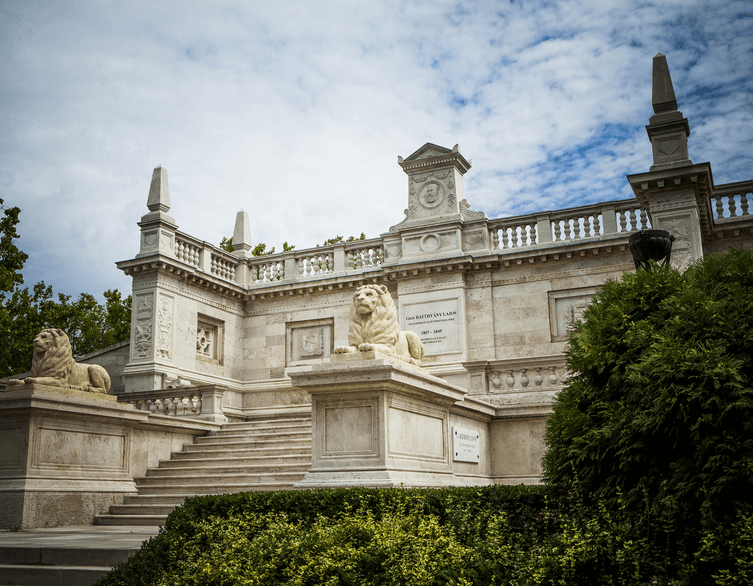
Image source: Fiumei Road Cemetery
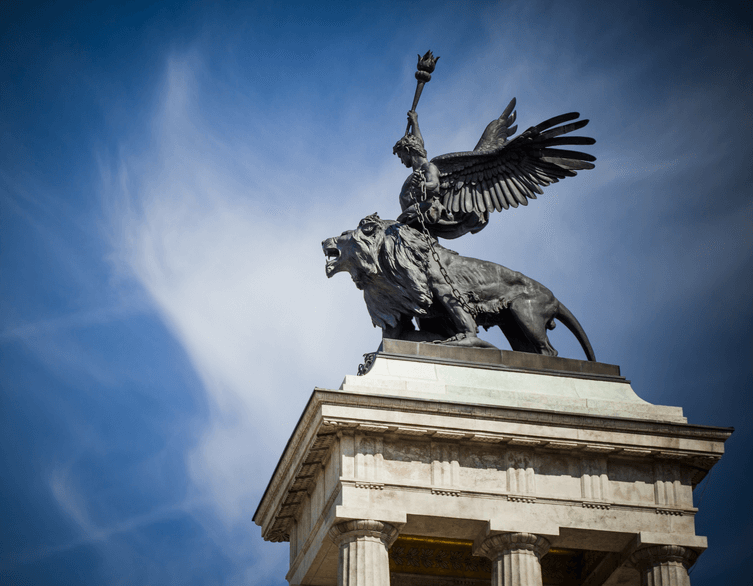
The Deák Mausoleum features a six-meter-tall genius figure atop the dome created by György Kiss. The interior showcases stained glass work by Miksa Róth. The Kossuth Mausoleum is crowned with a bronze statue of Genius holding a chained lion, symbolizing Hungary’s struggle for independence.
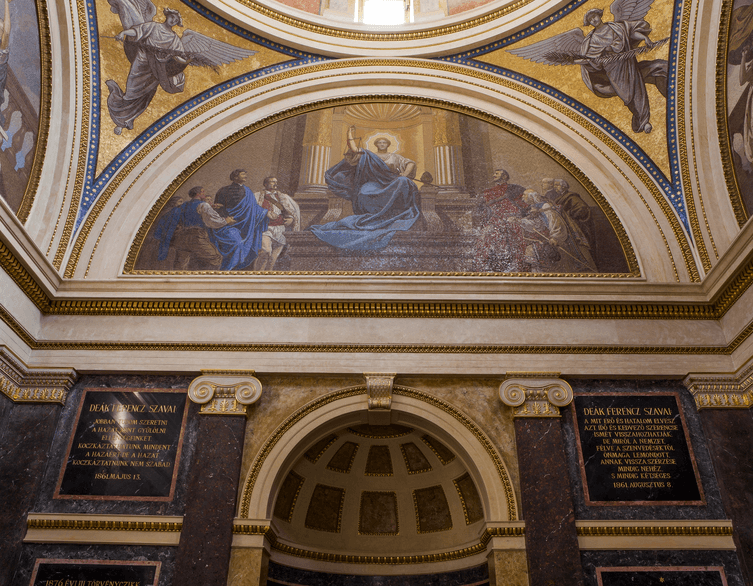
Image source: Fiumei Road Cemetery
A fourth significant mausoleum honors Ábrahám Ganz, the iron-foundry pioneer in Hungarian heavy industry, built to the plans of renowned architect Miklós Ybl in 1868. These mausoleums can only be visited by prior arrangement with National Heritage Institute staff.
The Arcade Buildings
The two arcade rows, built between 1904 and 1908, represent another architectural highlight. Designed by Lajos Gerle and Ármin Hegedűs in a classicizing style with Art Nouveau decoration, these arcaded burial vaults house numerous artistic tomb ensembles. The dome chambers feature wall mosaics created in Miksa Róth’s workshop based on paintings by Aladár Körösfői-Kriesch, Andor Dudits, János Gábor Stein, and Zsigmond Vajda. These mosaics depict the Lamentation of Christ, Mary among the Apostles, the Resurrection of Christ, and the Last Judgment.
Wall Tombs and Family Crypts
The wall tombs were established after the cemetery’s opening as the most prestigious burial places for citizens of the capital. This section represents an unchanged, unified part of the cemetery that has remained cohesive since 1849. The falsírbolts (family crypts) along the walls feature impressive sculptures, many created by famous architects and sculptors.
Sculpture Collection
Fiumei Road Cemetery houses one of the largest collections of statues in Hungary, featuring works by the nation’s most celebrated sculptors spanning over 170 years. More than 1,500 protected grave sites showcase the evolution of Hungarian funerary sculpture from the mid-19th century through the present day. The cemetery contains nearly 650 tombstones that are outstanding works from an art historical perspective.
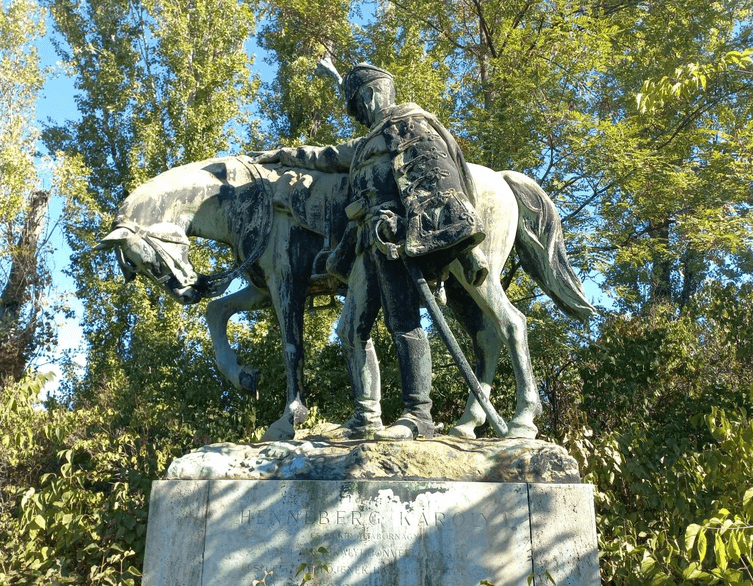
The cemetery’s only equestrian composition created by Alajos Stróbl
Image source: Fiumei Road Cemetery
Notable sculptors represented include Miklós Borsos, Gyula Donáth, János Fadrusz, Béni Ferenczy, Márta Lesenyei, Miklós Ligeti, Zsigmond Kisfaludy Strobl, Alajos Stróbl, György Zala, and János Horvai. The collection spans multiple artistic movements, from neo-Renaissance and neo-Baroque styles to Art Nouveau masterpieces and modern abstract works.
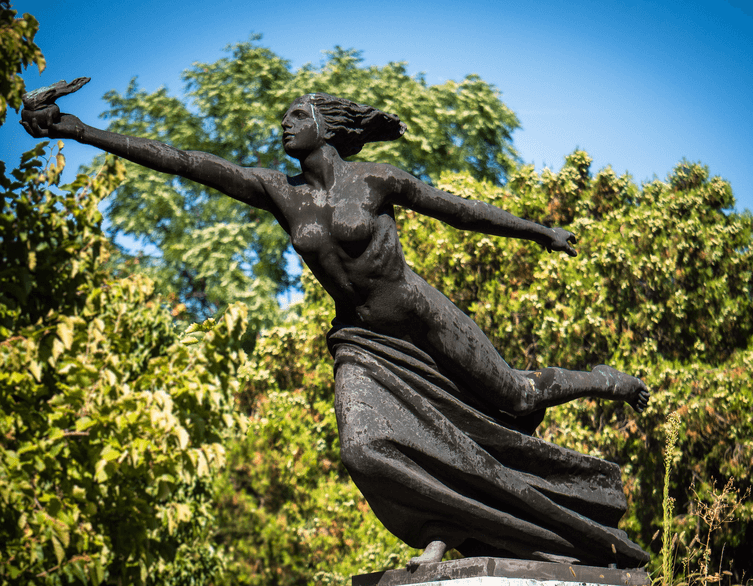
Image source: Fiumei Road Cemetery
In 2019, the National Heritage Institute launched the FiumeiGuide mobile app to help visitors explore the cemetery’s artistic treasures. In 2022, the institute introduced the “Sculpture Park in the Fiumei Cemetery” program, which uses QR codes to provide information about the most artistically outstanding sculptures and their creators in both Hungarian and English.
The Apponyi Mourning Carriage
At the cemetery entrance stands one of the world’s largest funeral carriages, the Apponyi mourning carriage. Nearly four meters high and five-and-a-half meters long, this remarkable artifact was manufactured in Budapest between 1928 and 1932 at the Misura factory, Hungary’s most significant carriage workshop of that era. The carriage was used only four times between 1933 and 1941, first at Count Albert Apponyi’s funeral in 1933. After disappearing during World War II, it resurfaced two decades later and entered the Transport Museum’s collection in 1963.
In 2017, the National Heritage Institute restored the carriage and placed it in a specially designed glass pavilion at the cemetery entrance. This handcrafted masterpiece took four years to complete, featuring baroque carvings and complex structural solutions designed by engineer Károly Jordán. The carriage represents the last surviving example of the Misura factory’s horse-drawn vehicles and serves as the swan song of Hungarian carriage manufacturing.
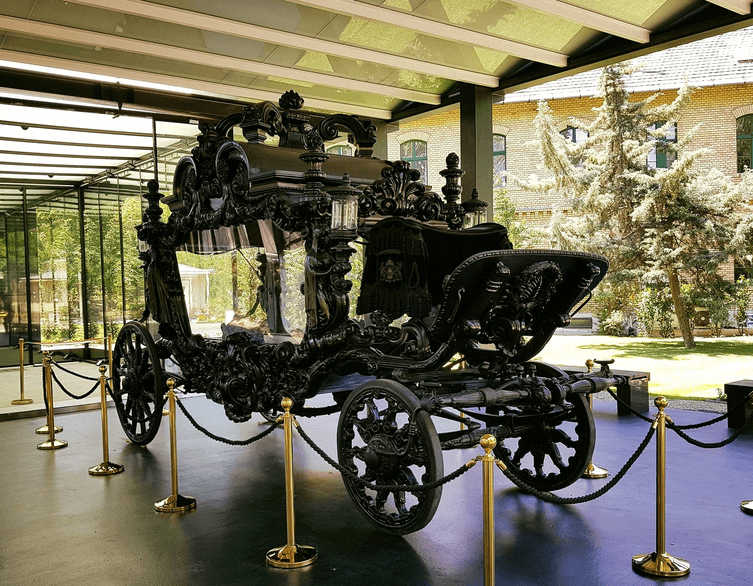
Image source: Fiumei Road Cemetery
The exhibition includes interactive touchscreens providing information about Hungarian coach manufacturing history, the Misura company, Count Apponyi’s life, and the significance of grand funeral processions. The APPonyi mobile application uses augmented reality technology to bring the carriage to life through six 3D animations, showing the vehicle’s first journey and use during funerals. Visitors can examine the artistically crafted coach body, the ingeniously engineered undercarriage, and the funeral accessories through their smartphones or tablets available at the cemetery. The exhibition is open daily during cemetery hours.
Cultural Significance
A Chronicle of Hungarian History
The cemetery serves as an open-air history book where different eras of Hungarian history unfold through its monuments and burial sites. Every significant period from 1849 onward left its mark here, creating layers of meaning that reflect the nation’s journey through revolution, empire, world wars, dictatorship, and democracy.
The cemetery preserves memories of the 1848-49 Revolution and Freedom Fight, the Age of Dualism, both World Wars, the communist era, the 1956 Revolution, and the democratic multi-party system. This comprehensive representation of Hungarian history makes it an essential site for understanding the nation’s development.
Educational and Cultural Programs
The National Heritage Institute organizes cultural events and walking programs continuously, expanding their range year by year. The cemetery offers free guided tours for visitors seeking deeper insights into its history and art. The institution’s mission focuses on preserving and passing on Hungarian historical and cultural heritage while exercising respectful memory.
The National Heritage Institute considers it important that the cemetery becomes an outstanding cultural attraction that provides a new perspective on the work and life of notable personalities of Hungarian history and culture, while strictly and respectfully observing the rules of piety. In addition to tourism opportunities, the institute highlights the importance of education and the popularization of the culture of remembrance in cemeteries.
Green Space and Natural Heritage
The Fiumei Road Cemetery functions as one of Budapest’s largest and most significant green spaces, providing an arboretum-like environment in the heart of the urban landscape. The 56-hectare cemetery includes 25 hectares of parkland, offering a peaceful retreat for both visitors paying respects and those seeking quiet contemplation.
The grounds feature tree-lined avenues with ten different species, including acacias, lindens, plane trees, maples, and various evergreen shrubs that have grown to small tree size over the decades. Some of these trees are over 100 years old and form important visual elements of the landscape. The ancient trees create a canopy that provides shade in summer and frames the monuments throughout the seasons.
The cemetery’s botanical treasures contribute to its atmosphere, with chestnut trees standing along the paths, vast spaces opening into grassy clearings, and dense-crowned maple species providing natural structure to the grounds. The fragrant flowers of white acacias and linden trees bloom seasonally, while the abundant fruits of whip trees and Japanese acacias provide important food sources for wildlife.
Birdlife and Biodiversity
The Hungarian Ornithological and Nature Conservation Association has documented more than 110 bird species living in the cemetery, with 40 species breeding on the grounds. This remarkable diversity makes the cemetery an important urban habitat for avian populations and attracts hobby photographers and nature photographers seeking to capture rare species.
The cemetery’s varied vegetation supports different bird communities throughout the year. Finch flocks overwinter in large numbers among the trees, while thrushes and doves feed on the abundant fruits during the cold months. The old plane trees provide prime habitat for goldfinches and larger species like jackdaws and tawny owls.
Spring brings warblers that feed on the buds of poplars, while woodpeckers excavate cavities that tits and sparrows later use for nesting. Insects attracted by the fragrant flowers of acacias and lindens become food sources for numerous bird species. Low-growing evergreens serve as daytime refuges for long-eared owls that gather in groups between October and March before hunting rodents and smaller birds at night.
Mammal Populations
The cemetery supports diverse mammal populations that have adapted to this urban green space. Insect-eating bats inhabit the grounds, though their nocturnal lifestyle keeps them largely invisible to visitors. Common forest squirrels and red squirrels are frequently spotted foraging for cones and acorns, building nests in tree canopies and remaining active throughout winter.
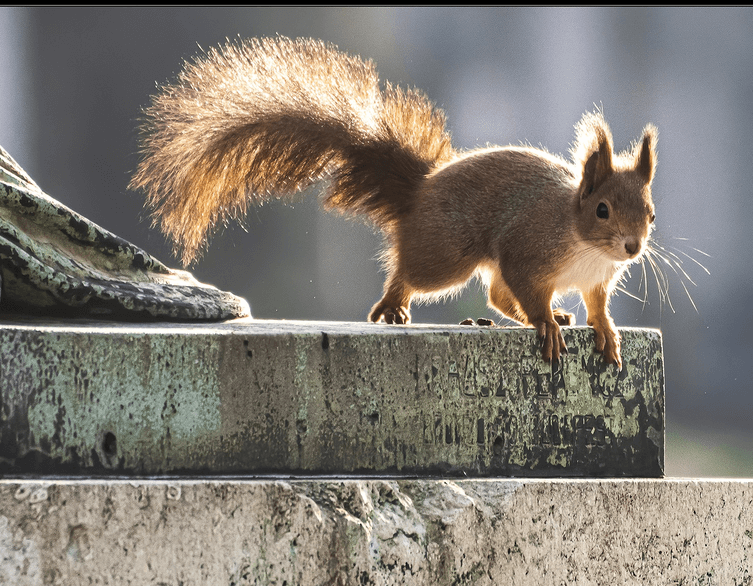
Red squirrels in the cemetery
Image source: Fiumei Road Cemetery
Among small rodents, numerous rare mouse species and dormice inhabit the cemetery’s undergrowth. These nocturnal creatures spend their days and cold periods in lined burrows, sleeping through winter months. The eastern hedgehog also inhabits the grounds, though its nocturnal habits make daytime sightings uncommon.
Red foxes have established dens on the cemetery grounds as their natural habitats have diminished. Several fox families live here, hunting primarily at night and feeding mainly on mice and voles, though they also pose threats to ground-nesting birds.
A Recreational Space
The 56-hectare green area in the center of Budapest serves as a recreational place for those living in the area, offering opportunities for peaceful walks and quiet reflection. The cemetery provides a unique combination of cultural heritage and natural environment, creating an atmosphere more akin to a pleasant park than a traditional burial ground. This dual function as both memorial site and green space makes it an invaluable resource for the city.
Famous People Buried Here
Prime Ministers and Political Leaders
The cemetery serves as the final resting place for numerous Hungarian political leaders who shaped the nation’s history. Count Lajos Batthyány, Hungary’s first prime minister who was executed in 1849, rests in one of the cemetery’s most magnificent mausoleums.
Ferenc Deák, a key architect of the 1867 Austro-Hungarian Compromise, is honored with an impressive mausoleum featuring neo-Renaissance architecture. Lajos Kossuth, leader of the 1848-49 Revolution, is buried in Hungary’s largest funerary structure.
József Antall, Hungary’s first post-communist prime minister, has a striking memorial featuring four horsemen pulling in different directions, symbolizing the challenges of post-communist leadership. István Bethlen, prime minister during the interwar period, was symbolically reburied in 1994 with soil from his presumed Moscow grave. Other prime ministers interred here include Gyula Horn and President Ferenc Mádl.
Best deals of Budapest










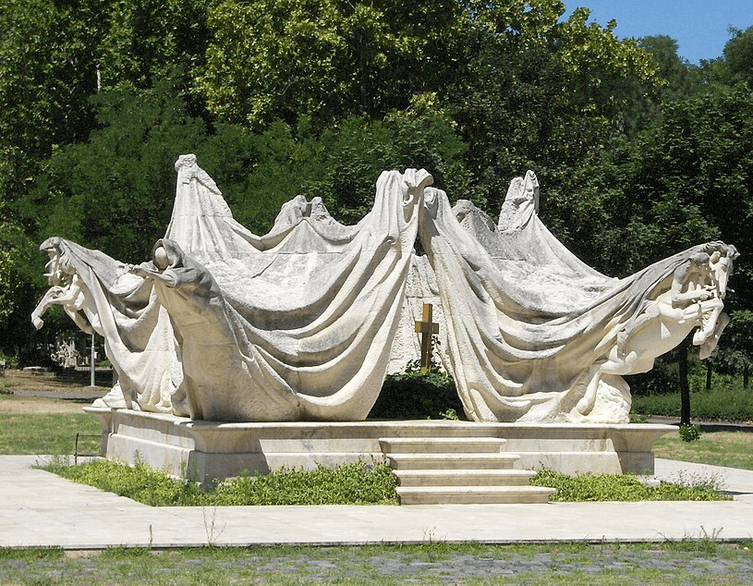
Image source: Fiumei Road Cemetery
János Kádár, the communist leader who governed Hungary for decades, is buried here, though his grave was vandalized in 2007 when unknown perpetrators removed his bones and his wife’s urn in an unsolved case.
Writers and Poets
The cemetery houses the graves of Hungary’s most celebrated literary figures. Mihály Vörösmarty, author of the Hungarian national hymn Szózat, was buried here in 1855 in a ceremony attended by vast crowds. János Arany, one of Hungary’s most important poets, also rests here.
Mór Jókai, known as the “prince of writers,” is honored with an elaborate memorial surrounded by an impressive structure designed by Jenő Kismarty-Lechner and Richárd Füredi and completed in 1928. Endre Ady, a seminal figure in Hungarian poetry, was buried here in January 1919, with his funeral drawing enormous crowds. His memorial was created by Géza Csorba in 1930.
Attila József, another major Hungarian poet, rests beneath a rusted steel stele inscribed with his poem Ime, hát megleltem hazámat… (Behold, I have found my homeland), designed by Csaba Horváth and Levente Bálványos in 2005. Zsigmond Móricz, an important prose writer, is also interred here.
Nobel Prize Winners and Scientists
The cemetery serves as the burial place for several Hungarian Nobel Prize winners and internationally recognized scientists. Imre Kertész, who received the Nobel Prize in Literature in 2002, found his final resting place here.
György Hevesy, a Hungarian radiochemist who won the 1943 Nobel Prize in Chemistry for his work on the use of isotopes as tracers in the study of chemical processes, is among the notable scientists buried at Fiumei Road Cemetery. He discovered the element hafnium and is considered the father of the isotope tracer principle.
Leo Szilard, a nuclear physicist who played a significant role in the development of nuclear physics and the atomic bomb, is also interred here. Other scientists and inventors buried at the cemetery include Ábrahám Ganz, the iron-foundry pioneer in Hungarian heavy industry who has his own impressive mausoleum. Vilma Hugonnai, the first Hungarian woman doctor, is another notable figure whose grave can be found here.
Artists and Performers
An Artists’ Parcel was established in 1928, creating one of the most visited and visually striking sections of the cemetery. Mihály Munkácsy, one of Hungary’s greatest painters, is buried here. Tivadar Csontváry Kosztka, the avant-garde painter, has a memorial sculpture by Jenő Kerényi placed on his grave in 1967.
Lujza Blaha, known as the “Nation’s Nightingale,” has a baroque-style white marble memorial featuring cherubs and an old lute player. Mari Jászai, another celebrated actress, also rests here. Film director Miklós Jancsó and Károly Makk are among the notable figures from Hungarian cinema buried at the cemetery.
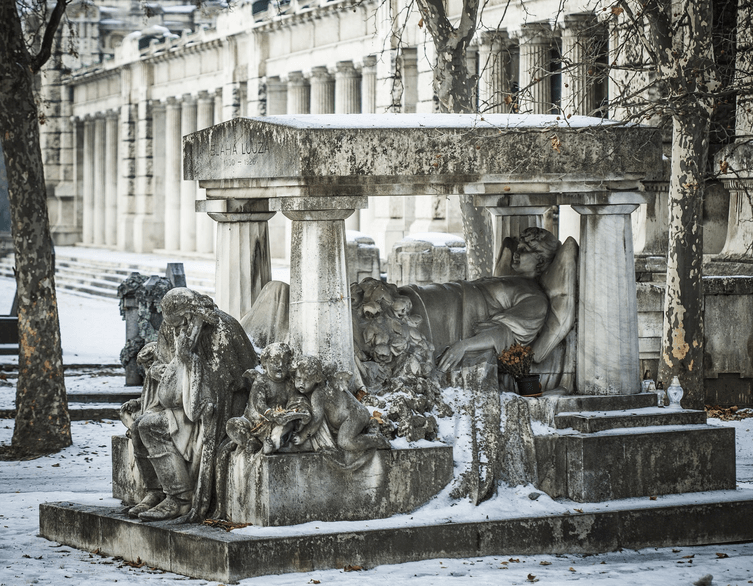
Image source: Fiumei Road Cemetery
Composer Béni Egressy, who set the Hungarian national hymn Szózat to music, was the first notable figure to be buried here in 1851. Writer Imre Sarkadi has an unconventional grave designed by Tamás Ortutay in 1981, featuring a broken basalt stone with a living copper beech growing from the break line, symbolizing his cut-short career.
Architects and Engineers
Several notable architects and engineers who contributed to Budapest’s development are buried at Fiumei Road Cemetery. The cemetery itself contains works by prominent architects including Miklós Ybl, who designed the Ganz Mausoleum, and Albert Schickedanz and Kálmán Gerster, who created the major mausoleums.
Fülöp Herczog, an architect who contributed to numerous tombs in the cemetery, is also buried here. The presence of these architects and their works makes the cemetery a testament to Hungarian architectural achievement.
Practical Information for Visitors
Location and Access
Fiumei Road Cemetery is located at 1086 Budapest, Fiumei út 16-18, within walking distance of the city center. Keleti Railway Station, served by metro lines 2 and 4, is just a short walk away. From the station, visitors can head south on Festetics György Street and continue on Fiumei Street to reach the entrance.
Public transportation options include tram line 24, which stops near the main entrance, and trolleybuses 73, 76, 78, 79, 80, and 80A to Keleti Station. Buses 5, 7, 7E, 8E, 20E, 30, 30A, 108E, 110, 112, 133E, 178, and 230 also serve the area.
Opening Hours
The cemetery welcomes visitors year-round with seasonal hours:
- January & February: 7:30 AM – 5:00 PM
- March: 7:00 AM – 5:30 PM
- April: 7:00 AM – 7:00 PM
- May, June, July: 7:00 AM – 8:00 PM
- August: 7:00 AM – 7:00 PM
- September: 7:00 AM – 6:00 PM
- October: 7:00 AM – 5:00 PM
- November & December: 7:30 AM – 5:00 PM
Admission is free for all visitors during opening hours.
Visitor Guidelines and Behavioral Rules
General Conduct
As a place of national remembrance and an active burial ground, visitors are expected to maintain respectful behavior throughout their visit. The cemetery serves both as a cultural attraction and as a place where families come to mourn and pay respects to their loved ones. Visitors should move quietly through the grounds, speak in subdued tones, and be mindful of others who may be grieving.
The cemetery remains an active burial site where coffin and urn burials continue to take place, and ash scattering is available year-round in designated parcel number 36. Visitors should be aware that they may encounter funeral services during their visit and should maintain appropriate distance and silence during these ceremonies.
Photography and Filming
Visitors may take photographs freely for individual, personal purposes. However, any photos or footage intended for publication require prior notice to the National Heritage Institute. Commercial filming in the cemetery is only permitted on the basis of prior written permission and a specific contract with the National Heritage Institute.
Access and Mobility
The cemetery can be visited free of charge by anyone during opening hours. Children under 14 and persons lacking legal capacity may only visit when accompanied by a legally capable adult or in organized groups with proper supervision. This requirement ensures the safety of younger visitors and maintains appropriate cemetery decorum.
Vehicles may enter the cemetery grounds, with the first hour of parking provided free of charge. Beyond one hour, parking costs 500 forints per hour. All traffic regulations apply within the cemetery, and drivers must exercise caution and maintain low speeds.
Cycling is permitted throughout the cemetery while following all relevant traffic rules and signs. Cyclists must maintain a maximum speed of 5 km/hour and exercise special care not to disturb other visitors’ mourning practices or damage graves and monuments. The bicycle-friendly policy allows visitors to explore the vast 56-hectare grounds more efficiently while maintaining respect for the site’s sacred nature.
Pet Policy
Dogs are prohibited from entering the cemetery grounds, with the sole exception of service dogs. Service dogs may accompany their handlers following prescribed regulations to ensure they do not disturb other visitors or the grounds. This policy maintains the cemetery’s peaceful atmosphere and protects the grave sites from potential damage.
Facilities and Services
A flower shop operates at the cemetery entrance, maintaining hours aligned with the cemetery’s opening times. Visitors wishing to place flowers on graves can purchase them conveniently upon arrival.
Free maps in English are available outside the information point at the cemetery entrance. These maps help visitors navigate the extensive grounds and locate specific grave sites and monuments.
Guided Tours and Special Access
Regular Guided Tours
The cemetery offers free pre-advertised weekend walks that are open to individual visitors. These tours require advance registration through regisztracio@nori.gov.hu. School classes can also arrange free guided walks by contacting the institute.
For adult groups, guided tours are available for a fee of 25,000 forints regardless of the number of participants, with a maximum of 40 people. These tours must be arranged in advance by contacting idegenvezetes@nori.gov.hu. Tours start from the main entrance and typically last 1.5 to 2 hours.
Mausoleum Access
The majestic mausoleums of Batthyány, Deák, and Kossuth can only be visited within guided walks. These architectural masterpieces require special access arrangements with National Heritage Institute staff members who escort visitors through these historically significant structures. Interested visitors should contact the cemetery administration to schedule these special visits.
Planning Your Visit
Duration
Given the cemetery’s vast size, comfortable walking shoes are essential. Visitors typically spend between one and two hours exploring, though those with particular interest in art and history may spend up to four hours or even half a day. The extensive grounds and numerous monuments justify allowing sufficient time to fully appreciate the site’s significance.
Mobile Application
The FiumeiGuide mobile app, launched in 2019, is a free GPS-based bilingual application (Hungarian and English) available for Android smartphones. The app helps visitors explore the cemetery’s sights with textual and visual information, audio and video content. Currently, the application presents a “top 100” list that includes the large mausoleums, most significant sights (such as the World War I memorial and the Apponyi carriage), and graves of renowned figures.
By clicking on each sight in the application, visitors can view photos and read concise summaries of the most important information about the landmark or person resting there. The app lists attractions based on proximity to the visitor’s location or alphabetically, making it easy to find specific monuments. The content of the mobile app continues to expand, with new descriptions added regularly.
QR Code Information System
In 2022, the National Heritage Institute introduced the “Sculpture Park in the Fiumei Cemetery” program. This system uses QR codes placed at the most artistically outstanding sculptures, providing information about the works and their creators in both Hungarian and English. Visitors can scan these codes with their smartphones to access detailed information about the cemetery’s artistic treasures.
Fiumei Road Cemetery – More Than The Final Resting Place
Fiumei Road Cemetery represents far more than a burial ground—it is a comprehensive testament to Hungarian history, culture, and artistic achievement spanning over 170 years. Since its establishment in 1849 as a public cemetery, it has evolved into Hungary’s most prestigious memorial site, recognized by Parliament in 2013 as one of the nation’s 17 most important locations.
The cemetery’s transformation from a practical solution to overcrowded burial grounds into a national pantheon began after the 1867 Compromise, when victims of the 1848-49 Revolution could finally be honored with proper memorials. The magnificent mausoleums of Batthyány, Deák, and Kossuth—Hungary’s largest funerary structure—stand as powerful symbols of Hungarian independence and political achievement.
Architecturally and artistically, the cemetery houses one of Hungary’s largest sculpture collections, with more than 1,500 protected grave sites showcasing works by the nation’s most celebrated sculptors. The arcade rows with their stunning Róth mosaics, the elaborate wall tombs, and nearly 650 outstanding tombstones represent the evolution of Hungarian funerary art from neo-Renaissance through Art Nouveau to modern abstract styles.
The cemetery preserves the memory of Hungary’s most significant contributors across all fields: prime ministers Batthyány, Deák, Kossuth, Antall, Bethlen, and Horn; Nobel Prize winners Imre Kertész and György Hevesy; literary giants Vörösmarty, Arany, Jókai, Ady, and József; artists Munkácsy and Csontváry Kosztka; and countless other political leaders, scientists, performers, and architects who shaped Hungarian history and culture.
The Apponyi mourning carriage exhibition at the entrance showcases one of the world’s largest funeral carriages, a masterpiece of Hungarian craftsmanship that represents the last surviving example of the Misura factory’s work. Through innovative augmented reality technology, visitors can experience this remarkable artifact’s history and construction.
Beyond its historical and artistic significance, the cemetery functions as a vital 56-hectare green space in Budapest’s urban landscape. Its arboretum-like parkland with ten tree species, over 110 bird species, and diverse mammal populations creates a unique ecosystem that serves both as a place of remembrance and as a peaceful retreat for contemplation and nature observation.
The National Heritage Institute, which has managed the cemetery since 2016, has implemented numerous initiatives to make this national memorial accessible and engaging for visitors. Free admission, guided tours, the FiumeiGuide mobile app, QR code information systems, and continuous cultural programming demonstrate the institution’s commitment to preserving and promoting Hungarian historical and cultural heritage while maintaining the site’s sacred character.
For visitors to Budapest, Fiumei Road Cemetery offers an authentic encounter with Hungarian culture that extends far beyond typical tourist attractions. Whether interested in history, art, architecture, nature, or simply seeking a peaceful environment for reflection, the cemetery provides an invaluable opportunity to understand the Hungarian nation’s journey through revolution, empire, world wars, dictatorship, and democracy—all preserved in stone, bronze, and living memory.
Related news
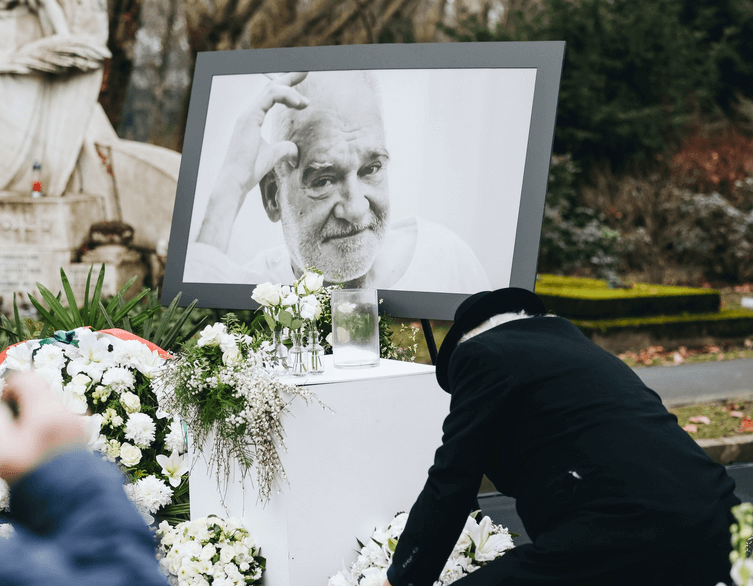
Farewell to Béla Tarr: Budapest Bids Goodbye to the Master of Slow Cinema
On February 6, 2026, under a soft winter sky, hundreds gathered at Budapest’s Fiumei Road Cemetery to bid farewell to one of Hungary’s...

Visiting Budapest on All Saints’ Day: Store Closures on November 1
If you happen to be in Budapest around November 1, you’ll experience one of Hungary’s most meaningful traditions — All Saints’ Day, known...
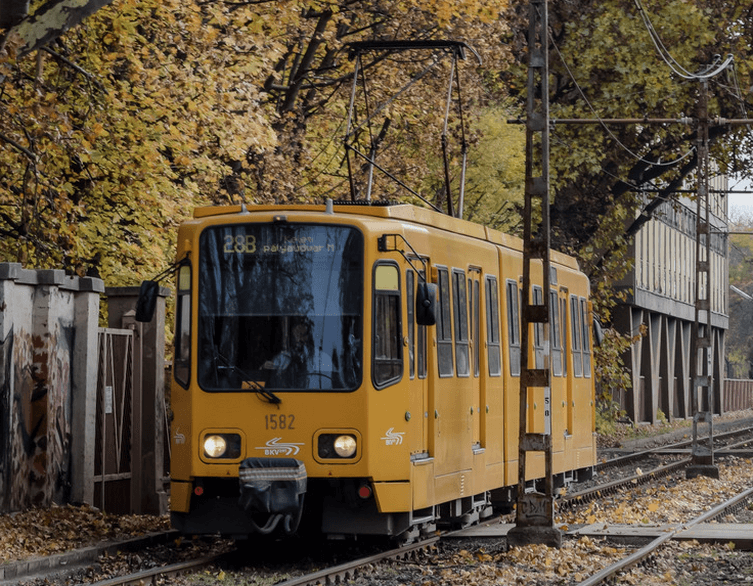
Getting Around Budapest During All Saints’ Day 2025: Essential Travel Tips for Visitors
If you happen to be in Budapest between October 30 and November 2, you’ll experience a unique side of the city. This period, when locals visit...
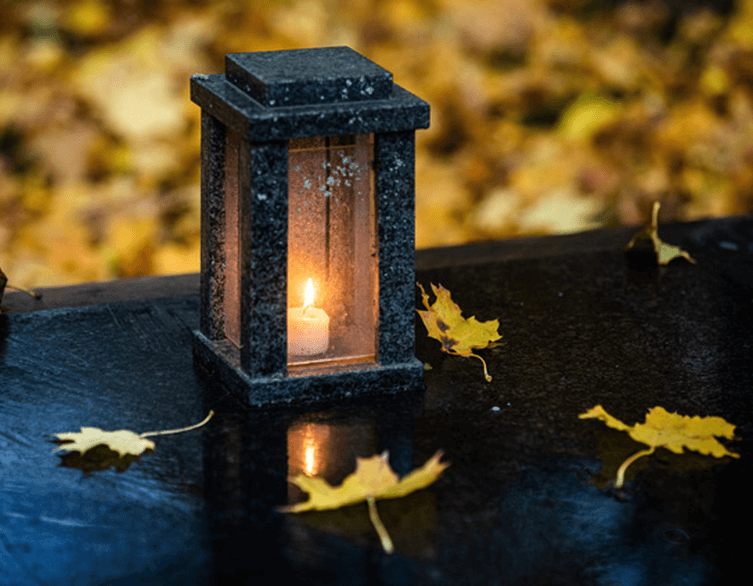
All Saints’ Day in Budapest 2025: Your Essential Guide
All Saints’ Day, celebrated on November 1st, stands as one of Hungary’s most significant public holidays and deeply cherished traditions....
Honoring the Departed: A Guide to Visiting Budapest’s Cemeteries During All Saints’ Week 2025
Early November brings a special atmosphere to Budapest, when the city pauses to honor those who have passed. All Saints’ Day on November 1st...