Ride an Electric Ikarus Up Gellért Hill: Budapest’s Test Buses Are on the Road Until Early December
If you’re in Budapest this week, you can ride a brand-new electric minibus up Gellért Hill, and it’s part of your normal public transport trip. The city’s transport company, BKV, is testing two alternative-fuel buses on regular routes until early December. One of them serves one of the best viewpoints in the city.
An Electric Ikarus on Bus 27
The bus on the 27 line is an Ikarus 80e. It’s fully electric and runs between Móricz Zsigmond Circle and the Citadella (Sánc Street stop) on Gellért Hill. You can’t miss it: it’s white with a palm-leaf design. The bus is housed at the Kelenföld garage while it’s in town. Ikarus is a famous Hungarian bus brand, and this model was developed with the Chinese company CRRC. It was shown at the Busworld Europe fair in Brussels last year.
The Ikarus 80e is small, about 8.5 metres long, and it has a low floor all the way along, which is unusual for a bus of this size. It carries up to 60 passengers, 18 of them seated. It has a 200 kW motor and a 282 kWh battery, and the maker claims a range of up to 410 kilometres. BKV is using the cold weather this week to see how the battery copes with winter conditions. So you might be part of the experiment on a chilly day.
Why the 27 Is Worth Riding
Even without the test bus, the 27 is a handy line for visitors. It takes you from Móricz Zsigmond Circle, a busy transport hub in Buda, up the slope of Gellért Hill to the Citadella. The Citadella is a nineteenth-century fortress with sweeping views of the Danube, the bridges and Pest on the other side. A small bus works well here because the road is narrow and steep, and it saves you a hard uphill walk.
Plan your visit for late afternoon if you can. The light over the river is lovely then, and the city begins to glow after dark. The Liberty Statue stands just next to the Citadella, and it’s a short walk from the bus stop.
Best deals of Budapest












A Biogas Iveco on Bus 217
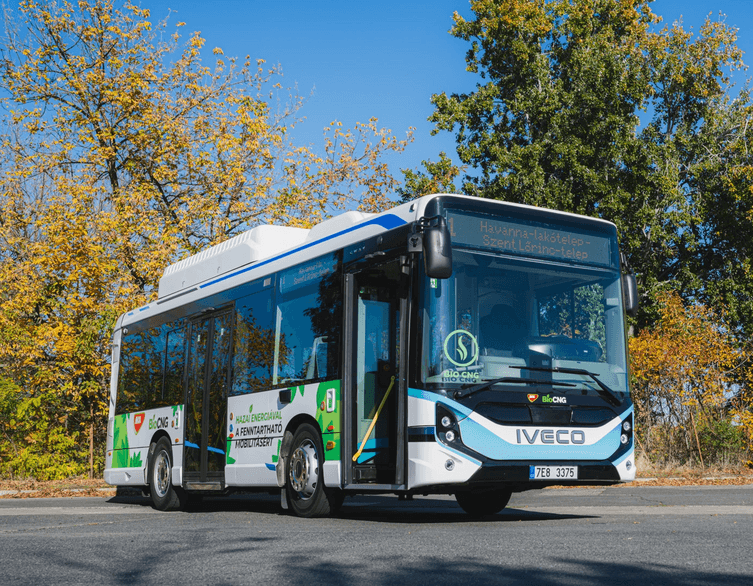
The second test bus is an Iveco G-Way, which runs on bio-CNG, a form of compressed biogas. It’s about 9.5 metres long and works on bus 217. That route connects Kőbánya alsó railway station with Pestszentlőrinc in the outer districts of Pest. Most tourists won’t have a reason to take it, but you may spot the bus if you’re exploring beyond the centre.
BKV says the test will help it judge whether bio-CNG could play a role in the city’s bus network. The company already runs buses on compressed natural gas. It sees gas as a stopgap while it replaces old diesel buses and slowly moves toward electric ones.
How to Ride: Tickets and Boarding
This is the key practical point. Unlike earlier trials, these test buses are not free. They run as normal scheduled services, so you need a valid ticket or pass, as on any other BKV bus. Board at the front door, where the driver can check your ticket. In Budapest, you can buy tickets in the BudapestGO app or at ticket machines, and a 24-hour or 72-hour travel card is good value if you plan to hop on and off a lot.
The test period ends in early December, so go soon if you’d like to try the Ikarus. BKV also welcomes feedback from passengers. You can write to them by email or message them on Facebook.
What It Says About Budapest
Budapest is steadily making its public transport greener. This week’s trials are small, but they show the direction: quieter, cleaner buses on the city’s streets. Even if you only ride the 27 once, you might be on the future of Budapest’s bus fleet on your way up to one of the city’s most famous views.
Related news
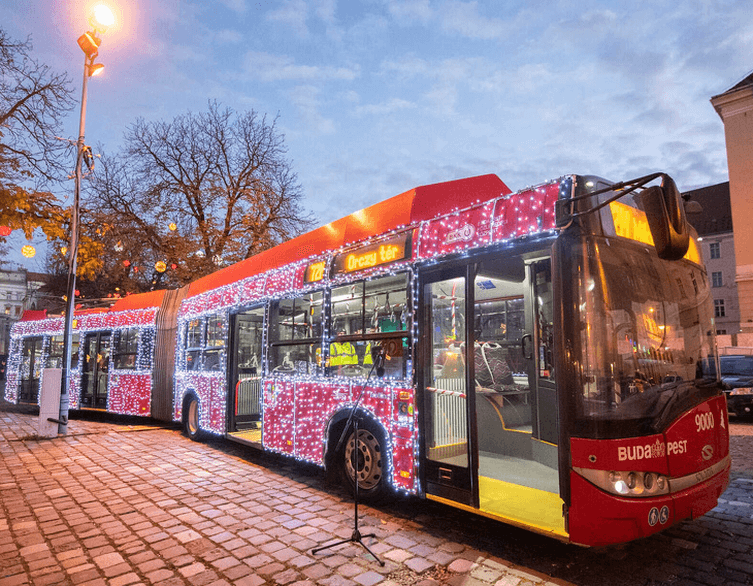
Santa’s Trolleybus Wants Your Drawings: BKK’s Festive Art Contest for Kids in Budapest
Budapest’s transport organiser, BKK, has launched a festive drawing contest for children aged 6 to 12, and the three best pictures will be...

Budapest’s 100E Airport Express Gets New Buses with More Room for Luggage
Travelling between Budapest Airport and the city centre with a suitcase is getting a little easier. Brand-new buses began entering service on the...
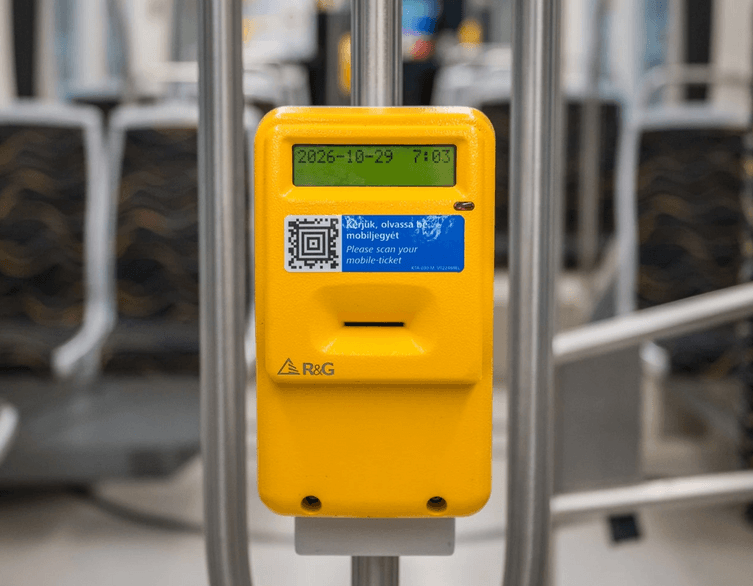
Budapest Digital Tickets: Easier Validation on Buses and Trams from October 2026
Catching a tram just before it pulls away? A new Budapest public transport update should make that moment a little less stressful. BKK, the Centre...
Please Don’t Turn Gellért Hill’s Trees Into Gym Equipment, Budapest’s Park Rangers Ask
If you’re planning to visit Gellért Hill in Budapest, you’re in for one of the city’s most scenic natural escapes — but local...
A Perfect Day Around Gellért Hill, the Citadella, and Bartók Boulevard
Some of the best days in Budapest aren’t built around ticking off famous landmarks one by one, but around letting one neighbourhood lead naturally...