Museum Café Reopens in Budapest: A 150-Year-Old Coffeehouse Is Back
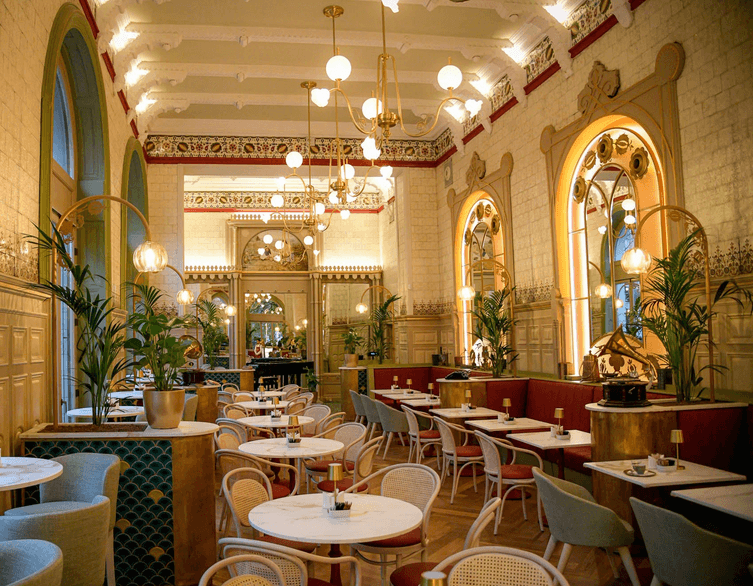
Budapest has a new old favourite. The MUZEUM Café (Múzeum Kávéház) opened its doors again on 21 November, after six quiet years behind dark windows. It stands next to the Hungarian National Museum, and it has a restored 19th-century interior, a menu of Hungarian classics and its own coffee blend. It’s a good place to start a museum day, end a sightseeing afternoon or spend a long, slow evening.
Where Poets Once Argued Over Coffee
The café has been around since 22 June 1876, when a former head waiter of the Hungária hotel named Ádám Schodl opened Schodl Café on the ground floor of the Fechtig House. The architect Antal Szkalnitzky had designed the building a year earlier, and its ground floor was planned for hospitality from the start. The original plans included a reading room, a skittles room and a coffee-making room. The corner location gave the café its L-shaped layout, and the first entrance opened onto the corner of today’s Museum Boulevard and Bródy Sándor Street. The café took the name Museum Café in 1885, after its famous neighbour.
Its neighbours also shaped its guests. The National Museum, the university and the old Parliament chamber were all close by, so historians, politicians, professors and students filled the tables. The Little Academy, a circle of science enthusiasts, held Monday-evening meetings here in 1899. Later, writers including Zsigmond Móricz, Jenő J. Tersánszky, Gyula Illyés, Attila József and Gyula Krúdy came through the door. In 1910 the editors of the literary magazine A Hét (The Week) briefly moved their office here.
The café had a lively night life too. In the 1870s teachers, clerks and coachmen gathered for card games, and under Schodl even a forbidden Russian card game was played. The original café had billiard tables, a games room and a skittles table. Those are gone now, but the café’s history as a place where people meet to talk, argue and play lives on.
Best deals of Budapest








Six Years Closed, Then a Birthday Reopening
The café closed in 2020, during the pandemic. The restaurateurs behind the revival are the Eventrend Group, which also runs Gundel, New York Café, Centrál Café and Dunapark Café, together with Flow Miniholding. They showed the finished café to the press and to district officials on 17 November, Budapest’s birthday, and opened it to everyone four days later. One of the owners said the group has opened twelve places since the pandemic, while thousands of venues across Hungary have closed. The building belongs to the local government of Budapest’s 8th District (Józsefváros) and is rented by the group, so the work was done together with the district.
A Careful Restoration
The restorers studied the earliest photographs they could find and tried to reach back to the café’s earlier periods, not just refresh the last version. They saved the Venetian mirrors set into carved wood panelling, the protected ceramic tiles, the cross beams and the frescoes. The tile pictures were made around 1890 in the workshop of Ignác Fischer, and the café’s Fischer ceramics are among its most valuable treasures. On the ceiling of the old corner entrance, you can still see the painting Csikósverseny (Horse Herders’ Race), probably by Károly Lotz.
The interior is lighter than before. Dark browns gave way to brighter shades, the window frames are pastel green and new light fittings replace the old wrought-iron chandeliers. Behind the scenes, the crew replaced the floor coverings, windows, electrical and mechanical systems and kitchen equipment, and carted away 670 cubic metres of rubble and waste.
Food With a Story
The menu is built around Anno and Most, Latin and Hungarian for “then” and “now”. On the “then” side are 20 dishes from across the Carpathian Basin, including Baja fish soup, Jókai bean soup, Great Plain goulash soup, stuffed cabbage, crispy duck with braised cabbage, layered potato casserole and egg dumplings with lettuce salad. Childhood comfort food has a place too, such as pea and potato stews. About half the menu is traditional.
For visitors, the best touch is the Anno cards. Each of the 20 classic dishes has a small card, in Hungarian and English, that tells the dish’s story and background. You can take them home as souvenirs. It is a pleasant way to learn why Hungarians put sour cream on so many things.
The “now” side is lighter: brunch plates, vegetarian options and modern flavour pairings. The lángos Benedict puts poached eggs on a fried flatbread instead of an English muffin and adds crispy bacon. There are also Kolozsvár-style hot sandwiches and a vegan one.
Cakes That Look Like Fruit
Dessert is a highlight. The counter has honey cream cake, Somló sponge trifle, the Opera slice and the Royal cake. A Hungarian detail is that the Somló trifle is finished in front of you, and the Opera slice comes with a printed wafer showing a piece of opera music. The MUZEUM Eszterházy cake is topped with a marzipan copy of the café’s own Fischer tile pattern, and the honey cream cake comes with a little edible sugar-lace tablecloth. Old Hungarian puddings are on the list as well: máglyarakás, a bread-like cake with apple and apricot jam, and császármorzsa, a shredded pancake served with apricot jam. A modern dessert is a caramelised semolina pudding with a crunchy caramel crust.
Then there are the realistic desserts. Four of the five are inspired by past winners of the Cake of Hungary competition. One looks like an apricot, one like an apple, one like a walnut and one like a pear, and they can arrive under a smoking glass dome. The fifth combines raspberry and pistachio.
Coffee, Salty Rolls and a Famous Walk
The café has its own Arabica blend, made from three kinds of beans and roasted only for the café. The team tasted eight coffees before choosing the final one. They wanted a blend that works as a short black coffee and with milk.
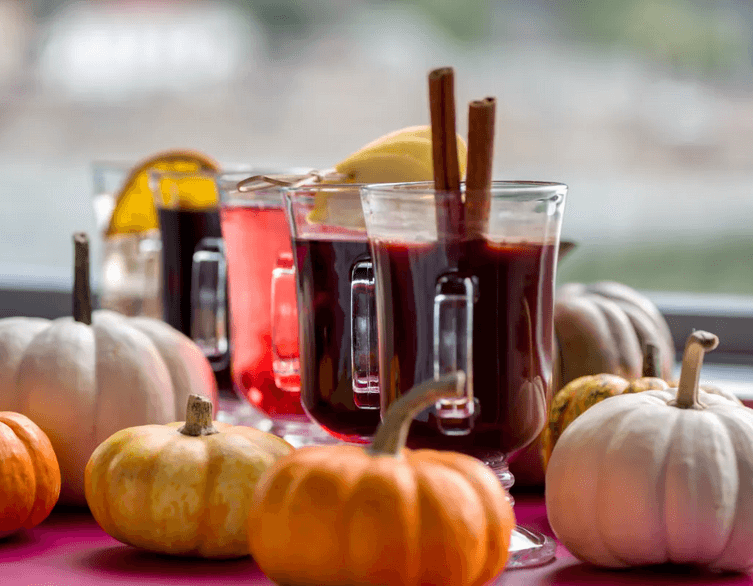
One pairing sounds odd at first: black coffee with a salty roll. It comes from the memoirs of Flóra Kozmutza, who recalled stopping in a café with the poet Attila József during their walks, drinking black coffee with a salty roll and talking about literature and philosophy. The café serves strong black coffee in a decorative porcelain cup, with the roll under a glass dome. You’ll also find Pest-style whipped coffee, golden melange with honey layers and retro cocoa in a polka-dot mug. The modern list includes nitro cold brew, hojicha latte, mango, coconut and yuzu matcha, and an espresso tonic where the espresso is added with a pipette. The siphon frappé is poured from a glass siphon. In the evening there are cocktails, such as a Tokaji Spritz, a smoked Old Fashioned and a hibiscus Cosmopolitan.
Not Just for Tourists
The owners say they don’t want this to be a museum piece that only tourists visit. Several schools and universities are nearby, so there is a student programme called Universitas. With a student ID, young people can order a shorter menu at big discounts. The owners say the aim was to beat the price of a chain coffee, or even a gyros. There is strong Wi-Fi, plenty of power sockets and big mugs for long study sessions. The café also plans literary evenings, book launches and local community events.
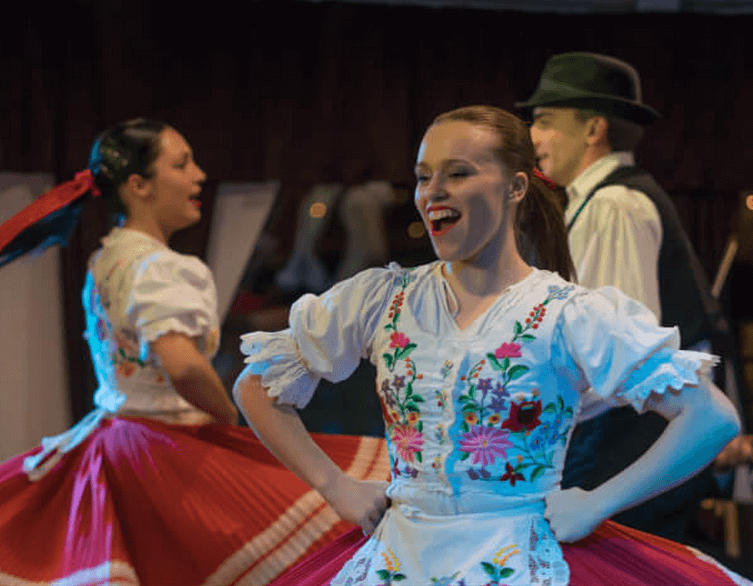
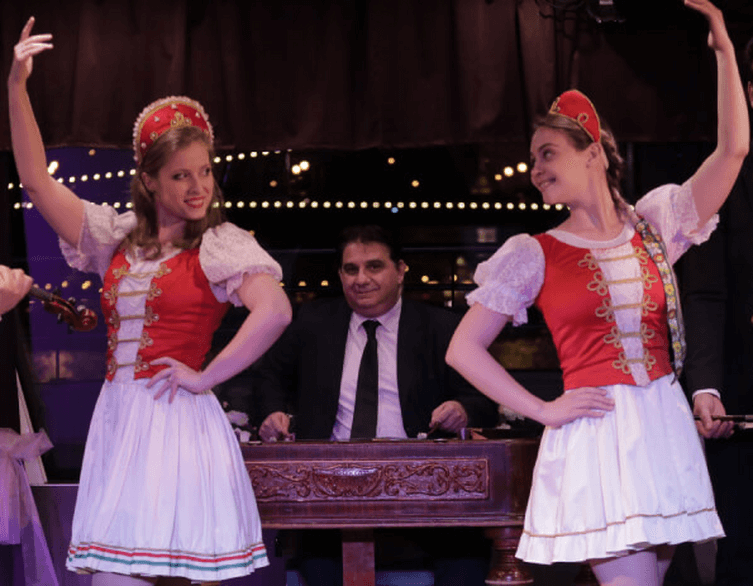
Live music plays on Fridays, Saturdays and Sundays from 10:00 to 14:00 and from 18:00 to 22:00. The sound is meant to stay in the background so conversation can go on. A seasonal terrace opens from spring to autumn, and the historic rooms can hold events for up to 150 people.
Plan Your Visit
The café is at 12 Museum Boulevard (Múzeum körút 12), in the Palace Quarter of the 8th District. It’s right next to the Hungarian National Museum and the Museum Garden, and an easy walk from Kálvin Square or Astoria. Check the café’s website or social media for current opening hours. For a relaxed day, visit the National Museum in the morning, wander through the Museum Garden and finish with coffee and cake at a table where Budapest’s writers and scientists once sat.
Related news
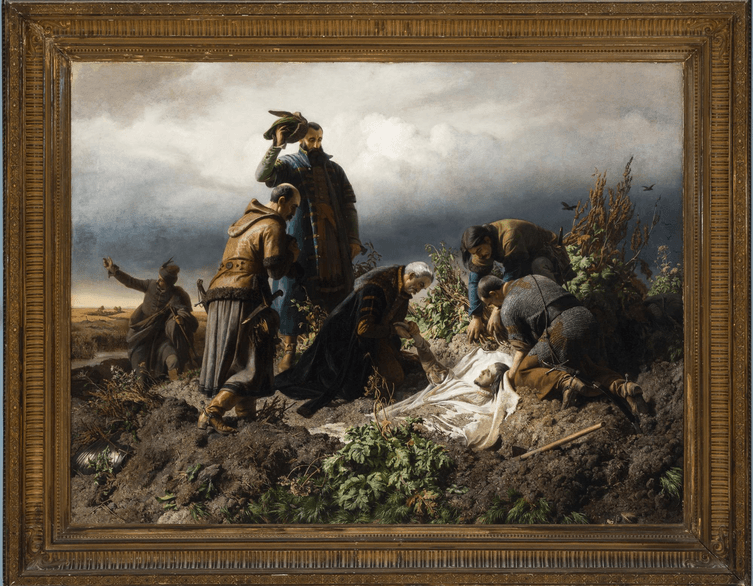
Fény/Törés: A New Look at Hungary’s Jagiellonian Age at the Hungarian National Museum
A major new exhibition opens at the Hungarian National Museum on 24 November 2026 and runs until 4 April 2027. It offers a fresh take on a period...
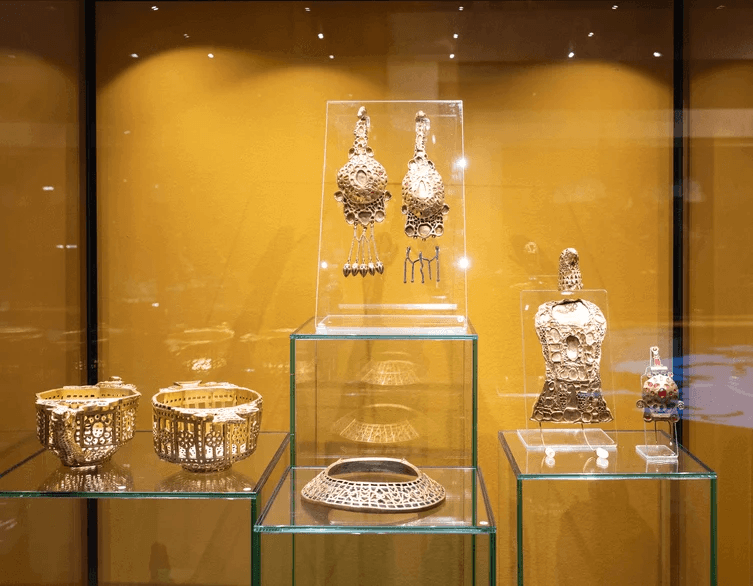
Hungarian National Museum’s Attila Exhibition Wins Exhibition of the Year 2026
What makes a ruler remembered for more than 1,600 years feel relevant today? At the Hungarian National Museum in Budapest, the answer involved bringing...
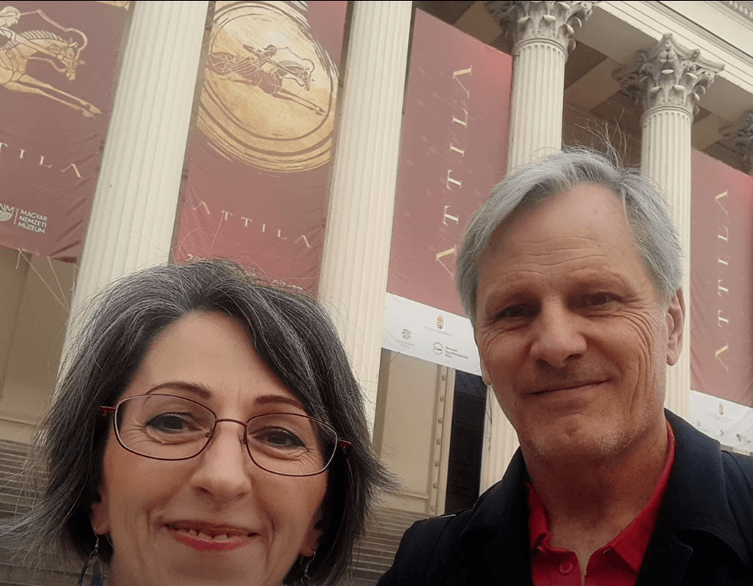
When Aragorn Walked Into Budapest: Viggo Mortensen’s Quiet Visit to the Hungarian National Museum
A Sunday Afternoon Like No Other It was an ordinary Sunday afternoon at the Hungarian National Museum — or so it seemed. Visitors wandered through...
Related attractions
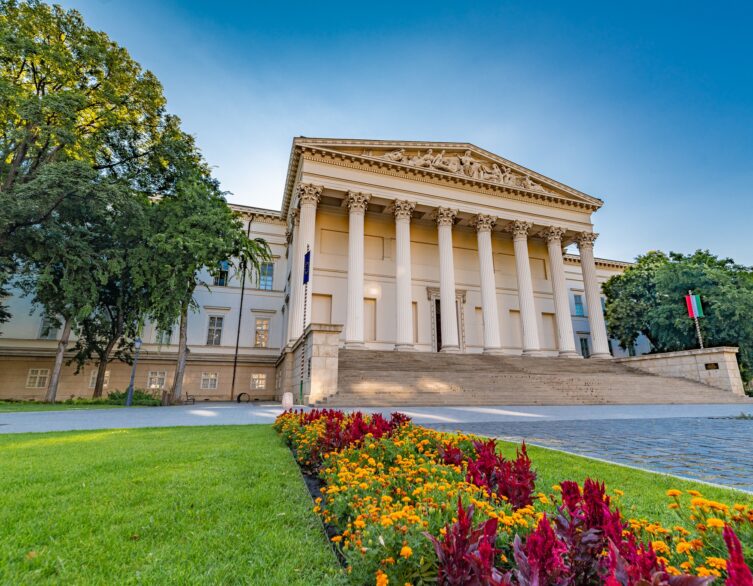
Discover the Treasures of the Hungarian National Museum in Budapest
The Hungarian National Museum in Budapest is a must-visit attraction for anyone interested in the rich history and culture of Hungary. Founded in...

Károlyi Garden: The oldest Garden in Budapest
Károlyi Garden stands as a serene oasis, offering visitors a tranquil escape from the urban hustle and bustle in the very center of Budapest. This...