Catch a Rare Partial Lunar Eclipse on August 28
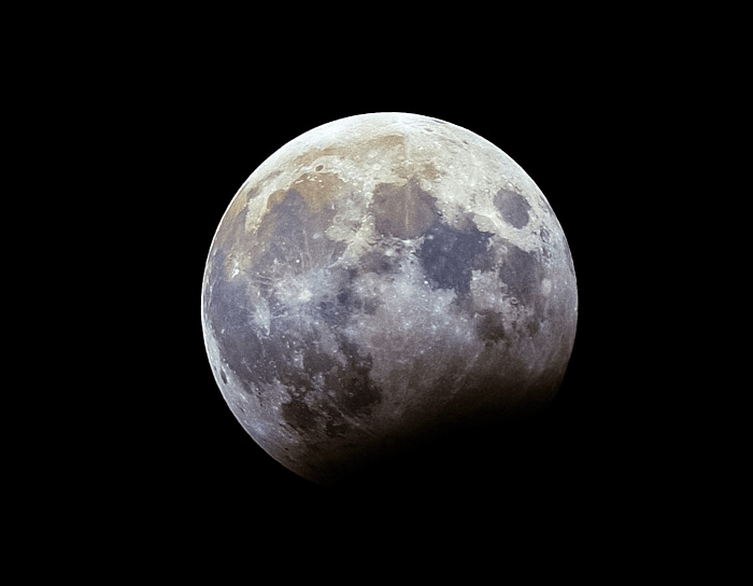
Stargazers visiting Budapest are in for a treat this month. In the early hours of Friday, August 28, a partial lunar eclipse will sweep across the pre-dawn sky, giving early risers and night owls alike a chance to watch the Moon slip into Earth’s shadow and glow a deep orange-red before it sets over the western horizon. If you happen to be in the city that morning, it’s well worth setting an alarm for.
When and Where to Watch
According to the Svábhegy Observatory, the eclipse begins at 3:24 am local time, when the Moon enters Earth’s faint outer shadow, known as the penumbra. Things get visually interesting starting around 4:33 am, when the Moon enters the more noticeable partial phase while sitting roughly 12.5 degrees above the western horizon. The best moment to watch for comes around 5:20 am, when more than half of the Moon will be swallowed by Earth’s shadow, turning it a striking orange-red. The Moon then sets at 5:59 am, so you’ll want an unobstructed view toward the west, ideally from somewhere elevated above the rooftops.
Because the sky will already be brightening toward dawn and the Moon will be sitting low on the horizon, binoculars or a small telescope will noticeably improve the view. As for why the Moon turns that rusty orange-red color during an eclipse, it comes down to the same physics behind fiery sunrises and sunsets: Earth’s atmosphere filters out shorter wavelengths of sunlight and bends the longer, reddish wavelengths onto the lunar surface, painting it in warm, sunset-like tones.
Best deals of Budapest











Good Spots Around the City for Eclipse Watching
Because the eclipse plays out low on the western horizon just before dawn, location matters more than usual. Anywhere with a clear, unobstructed western view and a bit of elevation will serve you well, think riverside embankments along the Danube, the hilltop paths of Buda’s hills, or open squares away from tall buildings blocking the skyline. Given the early hour, this is also a great excuse to combine a night out with a very unusual sunrise experience, particularly for travelers already keeping unconventional hours to soak up Budapest’s nightlife.
Visit the Svábhegy Observatory Itself
For visitors who want a guided, expert-led experience rather than just craning their necks skyward from a park bench, the Svábhegy Observatory, perched in the Buda Hills near Normafa, is hosting a dedicated eclipse and planet-watching event that same night, running from 3:30 am to 5:30 am with a small group size, so booking ahead is essential. Alongside the eclipse itself, the observatory’s astronomers will point their telescopes toward Saturn and its dramatic ring system, along with its orange moon Titan, the rusty red disk of Mars, the twinkling blue stars of the Pleiades cluster, and the colorful cloud bands of Jupiter, which will have just risen.
The evening includes a stroll through the observatory’s leafy historic park, where the romantic, old-world atmosphere of astronomical research comes to life alongside talk of the institute’s latest findings. Visitors also get access to the observatory’s large dome and its giant telescope inside the so-called Budapest Dome, plus a variety of smaller telescope stations scattered around the grounds and interactive indoor astronomy exhibits that make the science approachable even if you’ve never looked through a telescope before. The rooftop terrace of the observatory’s main building serves as the primary viewing spot for the eclipse itself. Do keep in mind that the exact celestial objects on show can shift slightly depending on real-time atmospheric conditions on the night.
A Rare Window for Sky-Watchers
Partial lunar eclipses aren’t an everyday occurrence, since they can only happen during a full moon, and even then only when the Moon’s slightly tilted orbital path lines up just right with Earth’s shadow. Miss this one, and you’ll have to wait a while: the next lunar eclipse visible from Hungary won’t come until a partial eclipse in January 2028, followed by a total eclipse at the very end of that year. For anyone visiting Budapest around August 28, that makes this a genuinely rare chance to pair a European city break with a proper astronomical event, no special equipment strictly required, though a pair of binoculars certainly won’t hurt.
Related news

What’s On in Budapest This Weekend: Your Guide to August 28–30, 2026
Summer is winding down in the Hungarian capital, but Budapest is throwing one last, spectacular party before autumn arrives. This particular weekend,...

Budapest’s August 20th Light Show: Where to Watch History Come Alive on the Danube
Every year, Budapest marks its national holiday with fireworks over the Danube, but the 2026 celebration is raising the bar considerably. This time,...
Budapest’s Sky Show: A Stargazer’s Guide to August 2026
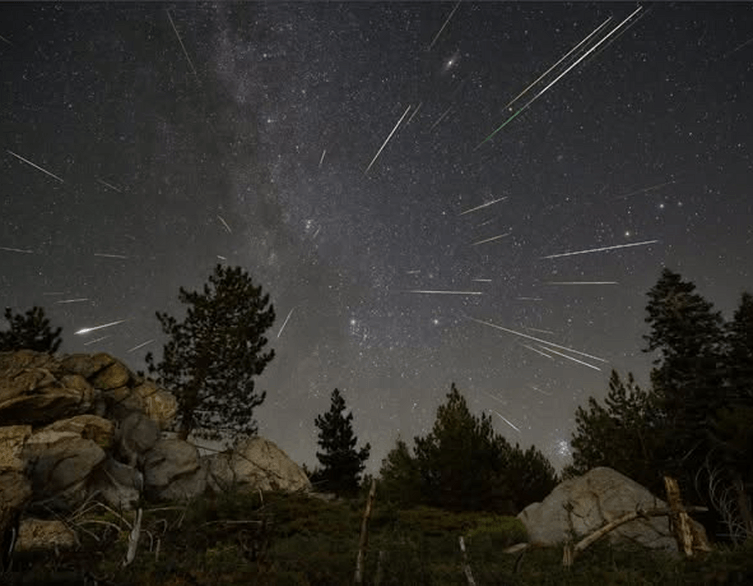
Budapest is about to get an extraordinary bonus attraction this month, and it doesn’t require a ticket, a queue, or even leaving your hotel...

Budapest in August: The Ultimate Guide to Immersive Experiences You Can’t Miss
August in Budapest is a city firing on all cylinders. The Danube glows gold at sunset, the summer heat pushes everyone toward shaded courtyards and...
Moon Budapest: the Best Spots for Instagram-Worthy Photos
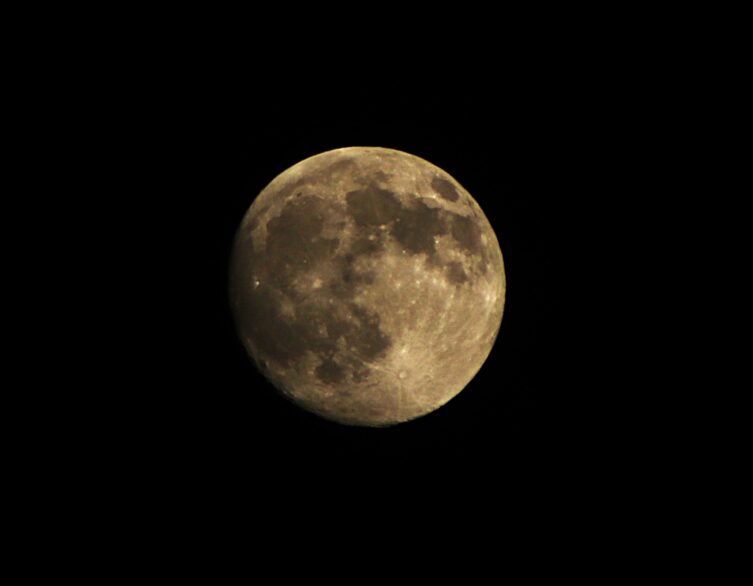
There’s something magical about Budapest at night, especially when a full moon lights up the sky, casting its silvery glow over the city’s iconic...
Don’t Miss The Giant Moon Installation in Budapest – It’s Back!
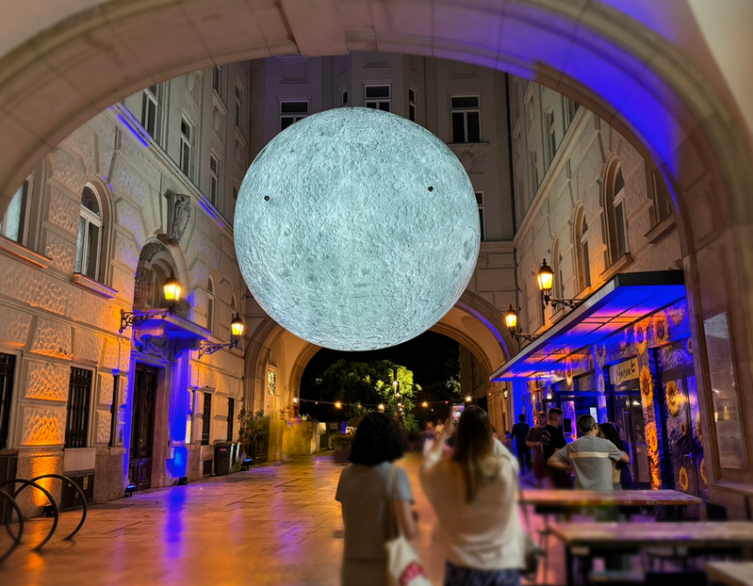
After a celestial hickup in May, the giant Moon installation deflated to the dismay of locals and visitors alike. However, it seems that the Moon...