Budapest’s Green Metro Line Just Got Smarter, Thanks to Your Phone
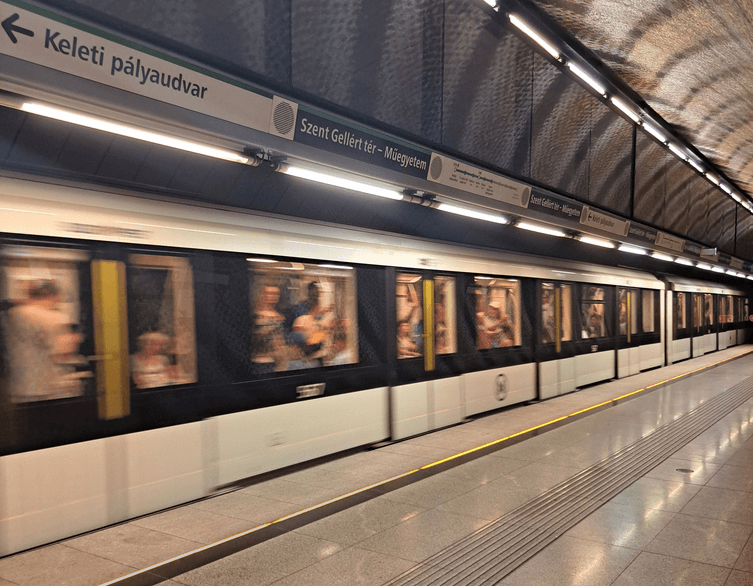
If you’ve ever stood on a crowded metro platform in Budapest wondering why the train feels packed at seemingly random hours, the city’s transport authority has been asking the same question — and it just found some answers hiding in mobile phone data.
Budapest Közlekedési Központ (BKK), the company running the capital’s buses, trams, and metro, has spent months analyzing anonymized mobile network data to understand exactly how people move around the city on the M4 metro, better known to English speakers as the green line. The result is a quietly impressive piece of data science that’s already changed the train schedule on Fridays during school holidays, and it says a lot about how seriously Budapest takes making its public transport actually work for the people using it.
The Green Line, in Case You’re New Here
The M4 runs between Kelenföld railway station on the Buda side and Keleti station (Eastern Railway Station) on the Pest side, cutting straight through the city center with stops at spots tourists will recognize, including Kálvin Square, Fővám Square near the Great Market Hall, and Szent Gellért Square by the Gellért Baths. It’s a fast, modern line that connects two of the city’s major rail terminals, which makes it a genuinely useful route if you’re arriving by train, heading to the thermal baths, or just trying to get across the river without dealing with traffic.
What the Phone Data Actually Showed
BKK pulled together more than 200 days’ worth of anonymized, aggregated mobile cell data to map out passenger flows in far more detail than traditional manual counting ever could. The technique tracks how many phones (and therefore people) are moving through a given area at a given time, which lets analysts spot patterns even in places or moments where there’s no automatic passenger counter installed.
Best deals of Budapest










The headline discovery was about Fridays during school holidays, which turned out to behave less like a typical holiday weekday and more like a regular school-term Friday. On these days, ridership patterns toward Kelenföld and toward Keleti diverge more than expected. Heading toward Kelenföld, the real rush starts as early as 1:30 PM, with roughly 3,400 to 4,000 passengers per hour once the afternoon peak kicks in. Compare that to a typical holiday hourly average of 2,000 to 2,500 passengers, and you can see why the old schedule — which had been built around a later, early-evening peak — was missing the mark. In fact, the data showed 800 to 1,000 more passengers per hour traveling toward Kelenföld at 1:30 PM than during the 6:30 PM slot that used to be treated as the busiest window.
A Schedule That Actually Follows the Crowd
Armed with these findings, BKK shifted the M4’s peak-frequency window on school-holiday Fridays to start half an hour to an hour and a half earlier than before, essentially moving train capacity from the early evening into the early afternoon to match where the actual demand was showing up. Follow-up checks on the ground confirmed the pattern held: heavier traffic toward Kelenföld consistently appears in the early afternoon, while the Keleti-bound peak still builds later in the day. Interestingly, the verification data even showed that on summer Fridays, the stronger crowd toward Kelenföld was already visible around noon, earlier than what was measured during a spring school break control test.
For visitors, this is a good reminder that Budapest’s metro isn’t running on a rigid, one-size-fits-all timetable. If you’re planning to hop on the M4 on a Friday during Hungarian school holidays (which run through late June to late August, plus shorter breaks around Christmas, Easter, and autumn), expect trains to run more frequently a bit earlier in the afternoon than you might assume, particularly if you’re heading toward Kelenföld from the city center.
Why This Matters Beyond One Metro Line
This mobile-data approach is part of a broader push by BKK toward data-driven transit planning, using large-scale, anonymized location data to complement or even replace old-fashioned manual passenger counts in spots where sensors don’t exist. It’s the kind of behind-the-scenes work most tourists never think about, but it directly shapes whether your train shows up every 3 minutes or every 8 when you’re trying to get from Keleti station to your Airbnb near Gellért Square.
BKK has signaled this is just the start, with plans to keep using this kind of large-scale mobility analysis to fine-tune schedules across Budapest’s transport network going forward. So the next time your metro feels suspiciously well-timed for the crowd around you, there’s a decent chance a few hundred anonymized data points had something to do with it.
Related news

Ride the Metro, Catch a Concert: BudapestGO’s Summer Music Deal
If you’re visiting Budapest this August and already planning to use public transport to get around, there’s now a very good reason to...
How Budapest Residents Are Shaping the City’s Transport Future
Budapest is quietly rewriting how it plans public transport and infrastructure, and it’s doing so by putting residents’ voices at the...
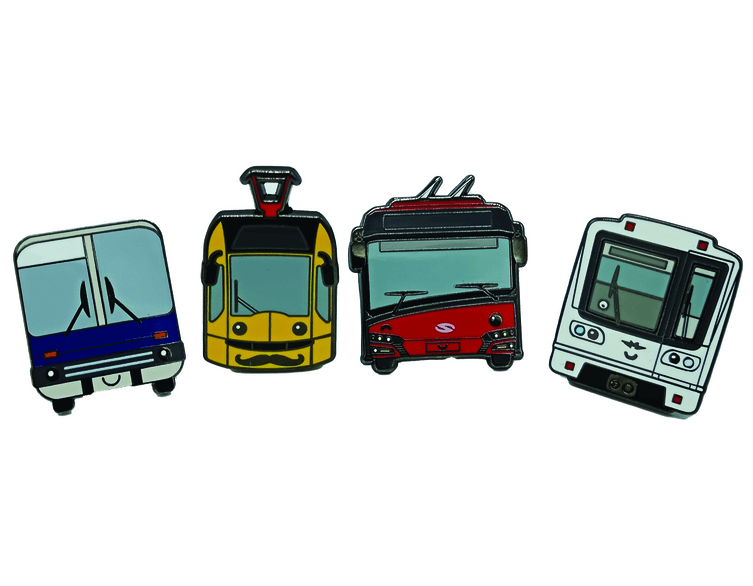
Take a Piece of Budapest’s Transport History Home With You
If you’ve spent any time riding Budapest’s trams, buses, or the quirky cogwheel railway up to the Buda Hills, you’ve probably noticed...
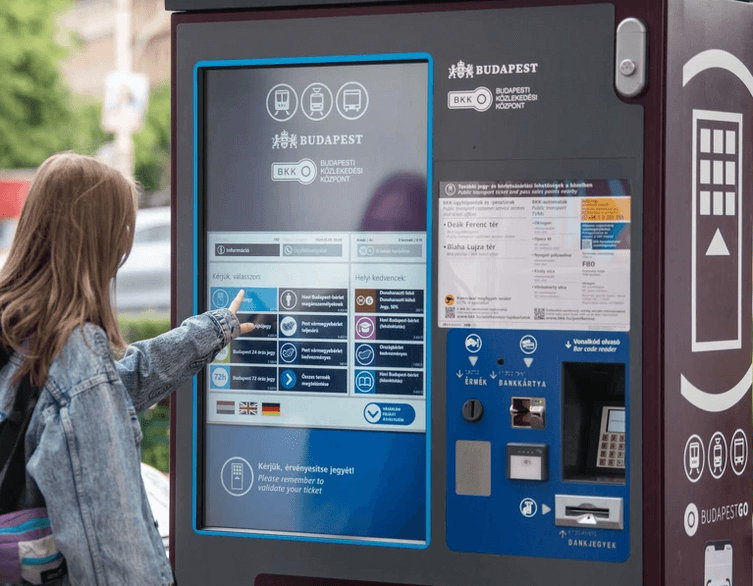
Update in the Public Transport Passes for Foreign Students
Budapest is one of Europe’s most charming capitals, where historic architecture meets vibrant urban life. Whether you are strolling along the Danube...
Budapest’s Night Transport Gets a Major Upgrade This Summer — Everything Tourists Need to Know
If you’re planning a trip to Budapest and love staying out late, here’s some genuinely exciting news: the city’s night public transport...
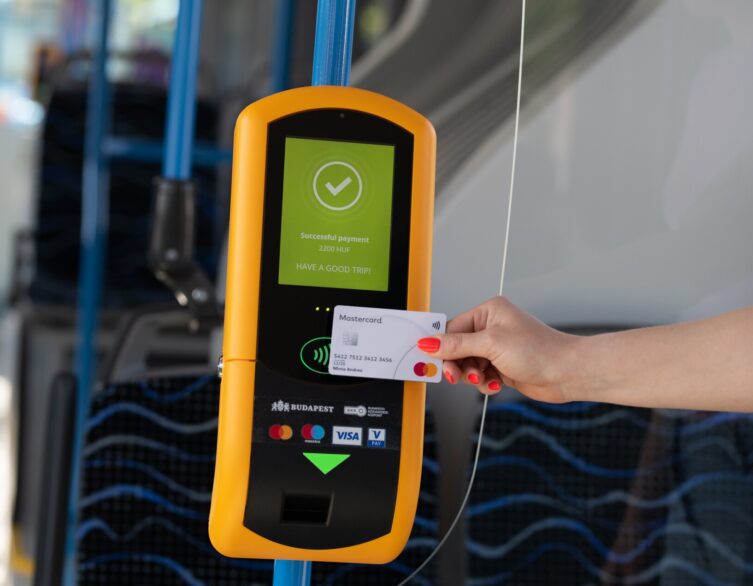
Budapest’s Pay&GO Is a Hit: Over 112,000 Metro Tickets Sold in Just One Month
Budapest’s public transport is on a roll — and the numbers prove it. Just one month after BKK (Budapest’s Centre for Budapest Transport)...