Clocks Spring Forward in Budapest: Everything You Need to Know About the 2026 Time Change
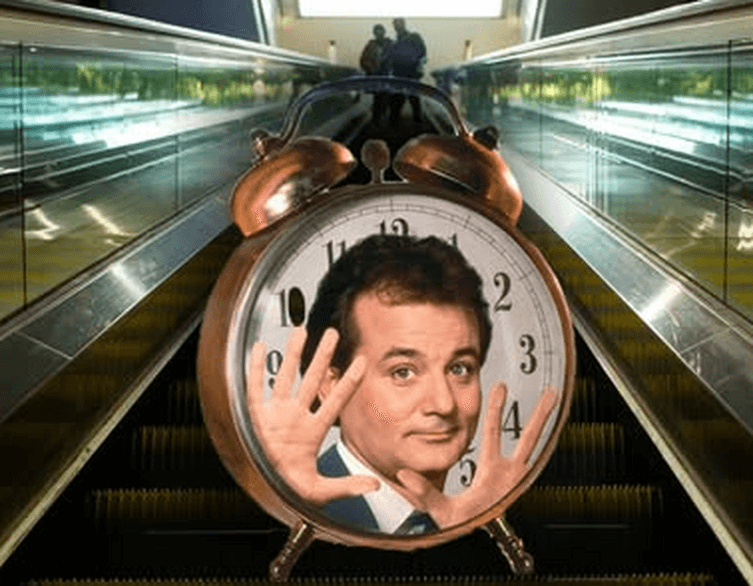
If you’re planning a visit to Budapest in late March 2026, there’s one small but important detail you’ll want to keep in mind: Hungary is springing its clocks forward on Sunday, March 29, 2026. At 2:00 a.m., clocks jump ahead to 3:00 a.m. — meaning one hour of sleep simply disappears into thin air. The upside? Longer, golden evenings along the Danube, with sunsets lingering well past 7 p.m. right from the start of the season.
What Actually Happens on March 29?
The rule is straightforward: at 2 o’clock in the morning, Hungary officially moves to Central European Summer Time (CEST), shifting one hour forward. On the day of the change itself, the sun sets in Budapest at around 7:09 p.m. — and from that point on, the evenings keep getting longer and lighter throughout spring and summer. If you happen to be arriving in Budapest around that weekend, your smartphone will update automatically, but be mindful of any watches, alarms, or schedules that might not adjust on their own.
It’s also worth noting that 2026’s clock change falls a day earlier than in 2025, simply because the rule always points to the last Sunday of March, and the calendar shifts slightly each year. A small difference, but worth knowing if you’re building a travel itinerary around that weekend.
Best deals of Budapest










Why Does This Affect Your Budapest Trip?
For visitors, the practical effects are mostly positive. Budapest becomes genuinely magical in the longer evenings of late spring — the city’s riverside promenades, open-air terraces, and historic streets take on a warm, unhurried atmosphere when the sun doesn’t set until well past 8 or 9 p.m. in the warmer months. However, if you’re arriving just after the clock change, expect that first Monday to feel a little drowsy — even locals report fatigue, disrupted sleep, and difficulty concentrating in the days following the switch.
The flip side is that Monday morning after the switch starts darker, with sunrise shifted an hour later. So if you’re an early riser planning a dawn walk across the Chain Bridge or a morning cruise on the Danube, build a little extra grogginess into your plans for the last days of March.
A History Worth Knowing
Daylight saving time has a surprisingly long and winding story. The idea was first proposed by Benjamin Franklin back in 1784, when he suggested in the Journal de Paris that aligning daily life with natural light could save energy. The concept didn’t gain real traction until World War I, when Germany became the first country to implement it in 1916, followed quickly by Britain. The United States joined in 1918, though the measure was unpopular among farming communities who preferred their schedules tied to the sun rather than the clock.
Hungary — then part of the Austro-Hungarian Empire — was actually among the very first places in the world to adopt seasonal time changes, also in 1916. The practice came and went in the following decades, was reintroduced in 1980, and since 1996, all European Union countries have followed a unified schedule for when clocks change.
Will Europe Ever Ditch the Clock Change?
This is the question on many Europeans’ minds — and the short answer is: not yet, but the pressure is building. The European Commission launched a wide-reaching public consultation back in 2018, and the results were striking: over 4.6 million people responded, with around 80% in favor of abolishing the twice-yearly change. Based on this, the Commission proposed ending the practice starting in 2021, but member states couldn’t agree on the crucial question — should Europe stick permanently to summer time or winter time?
The debate has been reignited more recently. In October 2025, Spanish Prime Minister Pedro Sánchez publicly called on the EU to abolish the clock change by 2026, arguing that no meaningful energy savings have ever been scientifically proven, while the disruption to human biological rhythms is real and measurable. Poland, which held the EU Council presidency in early 2025, also tried to revive the debate, proposing a permanent switch to summer time with a biannual review. The European Commission has since committed to preparing an impact analysis, but as of early 2026, no binding decision has been reached.
In March 2025, Members of the European Parliament and health experts gathered ahead of the clock change to urge the European Commission to finally act, citing scientific evidence of negative effects on public health, economic productivity, and even road safety. The sentiment is clearly shifting, but coordinating 27 member states — each weighing the implications for their own geography, economy, and transport links — is no small task.
Where Hungary Stands
Hungary has been clear about its preference if and when a European consensus is reached: the country would vote for permanent summer time, according to Gergely Gulyás, the Minister heading the Prime Minister’s Office. That would mean longer evenings year-round — which makes intuitive sense for a city like Budapest, where so much of the experience is tied to the outdoor café culture, riverside walks, and vibrant evening street life that thrives in the light.
Until that decision is made at the EU level, the status quo remains. Spring forward, fall back — twice a year, as always. So for now, if you’re heading to Budapest on or around March 29, set a reminder the night before, get to bed a little earlier than usual, and wake up ready to enjoy the longer, brighter days that come with the season.