Flying Through Budapest? What You Need to Know About the New Powerbank Rules on Lufthansa Flights
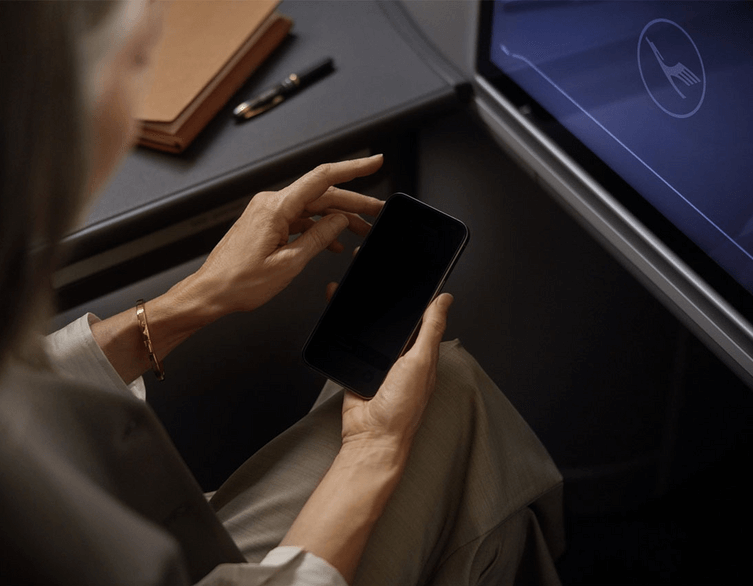
If you’re planning a trip to or from Budapest and flying with Lufthansa, Austrian Airlines, Swiss, Brussels Airlines, or any carrier within the Lufthansa Group, there’s an important change you’ll want to know about before packing your bags. As of January 15, 2026, the airline group has introduced stricter regulations around the use and storage of powerbanks and other portable battery devices during flights.
The new rules are designed to enhance passenger and crew safety, addressing fire risks associated with lithium-ion batteries. While the changes might seem inconvenient at first, they reflect a broader trend across the global aviation industry — and understanding them can help you breeze through security and enjoy a worry-free journey.
Why the Sudden Change?
Portable chargers, or powerbanks, have become essential travel companions. But these handy devices contain lithium batteries, which can overheat or catch fire under certain conditions — particularly when damaged, improperly stored, or exposed to pressure changes at high altitudes. Several incidents in recent years, including fires on aircraft caused by malfunctioning batteries, have prompted airlines worldwide to tighten safety protocols.
The International Air Transport Association (IATA) recently identified the proliferation of lithium-powered devices as one of the most significant safety challenges facing modern aviation. In response, the Lufthansa Group has aligned its policies with recommendations from leading aviation authorities, including the European Union Aviation Safety Agency (EASA), the Federal Aviation Administration (FAA), and the International Civil Aviation Organization (ICAO).
What Are the New Rules?
Here’s what you need to know if you’re traveling with a powerbank on any Lufthansa Group flight — including flights departing from Budapest’s Ferenc Liszt Airport:
You can bring up to two powerbanks per passenger, but they must be carried exclusively in your hand luggage — never in checked baggage. Each device must have a capacity of 100 watt-hours (Wh) or less. If your powerbank has a capacity between 100 and 160 Wh, you’ll need to request prior approval from the airline when booking your ticket.
Once on board, you cannot use or charge your powerbank during the flight. That means no topping up your phone, tablet, or laptop mid-air using your portable battery. Charging the powerbank itself from the aircraft’s power outlets is also prohibited. The only exception to this rule applies to essential medical devices, which may still be powered by a battery pack.
Powerbanks must be stored in an easily accessible location throughout the flight — either in your pocket, in the seat pocket in front of you, or in a carry-on bag stowed under the seat. They cannot be placed in overhead bins, as quick access is crucial if a device begins to overheat.
Similar rules now apply to e-cigarettes and vaping devices, which also contain lithium batteries. These must remain in hand luggage, and using or charging them on board is strictly forbidden.
Best deals of Budapest












A Global Trend in Aviation Safety
The Lufthansa Group is not alone in implementing these restrictions. Airlines across Asia, the Middle East, and North America have rolled out comparable measures over the past year. Thai Airways, Singapore Airlines, Emirates, Cathay Pacific, and Southwest Airlines have all introduced bans on powerbank use during flights. South Korean carriers took similar action in early 2025 following a fire incident caused by a powerbank that ignited before takeoff.
What makes the Lufthansa Group notable is that it’s among the first major European airline groups to adopt such comprehensive, fleet-wide restrictions. The new policy applies to all carriers within the group, including Air Dolomiti, Edelweiss, Eurowings, and ITA Airways.
What If You Forget the Rules?
Passengers are reminded to inform cabin crew immediately if any battery-powered device begins to heat up, emit smoke, or show signs of malfunction during the flight. Quick reporting allows flight attendants to respond with fire suppression equipment, preventing small incidents from becoming serious emergencies.
For travelers connecting through Budapest, the good news is that these rules are standardized across the Lufthansa network, so once you understand them, they’ll apply consistently whether you’re flying to Frankfurt, Zurich, Vienna, or beyond.
On the Bright Side: Free High-Speed Wi-Fi Is Coming
While the powerbank restrictions may seem like a drawback, there’s exciting news on the horizon for Lufthansa passengers. The airline group has announced a partnership with Starlink, the satellite internet provider developed by SpaceX, to bring free, high-speed Wi-Fi to all 850 aircraft across its fleet.
Unlike older onboard internet systems, Starlink offers the kind of fast, reliable connectivity you’d expect on the ground — perfect for streaming video, working in the cloud, or video calling friends and family during your flight. The service will be free for all passengers who are Miles & More members or who register for a free Travel ID account.
The first Starlink-equipped flights are expected to take off in the second half of 2026, with the full fleet upgrade scheduled for completion by 2029. This makes the Lufthansa Group the largest airline group in Europe to adopt Starlink technology — a major step forward in improving the passenger experience.
Preparing for Your Flight from Budapest
Whether you’re departing from Budapest or arriving after a long-haul journey, these new regulations are easy to follow once you know what to expect. Pack your powerbank in your carry-on, keep it within easy reach during the flight, and remember that you won’t be able to charge your devices using it until you land. If you need power during the flight, many Lufthansa aircraft already offer USB charging ports at your seat — and with Starlink on the way, you’ll soon have more reasons than ever to stay connected while cruising above the clouds.
Budapest’s Ferenc Liszt International Airport remains one of Central Europe’s busiest and most well-connected hubs, and with Lufthansa Group operating numerous routes, these updates are relevant for thousands of travelers every week. By staying informed and prepared, you can ensure a smooth, safe, and enjoyable journey — whether you’re heading home or just beginning your Hungarian adventure.
Related news

Late-Night in Budapest? How the City Keeps You Moving from the Airport
If you’re arriving in Budapest late at night, especially after a long flight or a winter storm that’s shuffled schedules across Europe, here’s...

On Track to the Future: Budapest’s Long-Awaited Airport Express Train Is (Finally) Coming
Anyone who’s battled Budapest’s airport road traffic, nervously watching the clock tick closer to boarding time, knows the struggle all too well....

A Musical Welcome: Budapest Airport’s Stunning New Liszt Installation
Where history, music, and travel meet If you’re flying into Budapest this winter, you’re in for a special kind of welcome. At Ferenc Liszt...