Traditional Hungarian Easter Foods You’ll See Everywhere
One of the best ways to experience Hungarian culture is through its food, and Easter is when the country’s culinary traditions really come alive. Hungarian Easter food is hearty, symbolic, and unapologetically filling — a delicious reflection of centuries-old customs that locals take very seriously. Whether you’re browsing a festive market or sitting down at a traditional restaurant, here’s what you can expect to find on the menu.
Easter Ham (Sonka) — The Star of the Table
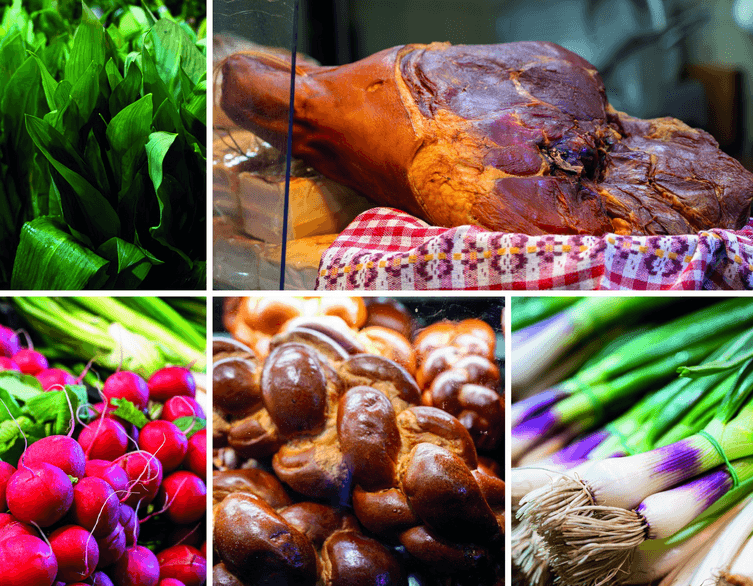
No Hungarian Easter spread is complete without sonka, the slow-cooked, salty smoked ham that takes center stage at every family table. Traditionally, families would reserve the best cut of the pig from the winter slaughter, preserve it with salt, and smoke it specifically for Easter. It’s typically served cold, sliced thick, and paired with boiled eggs, fresh bread, and horseradish — a combination that Hungarians have perfected over generations. You’ll find it on restaurant menus throughout the Easter weekend, so take the opportunity to try it at least once.
Boiled Eggs — More Than Just a Side Dish
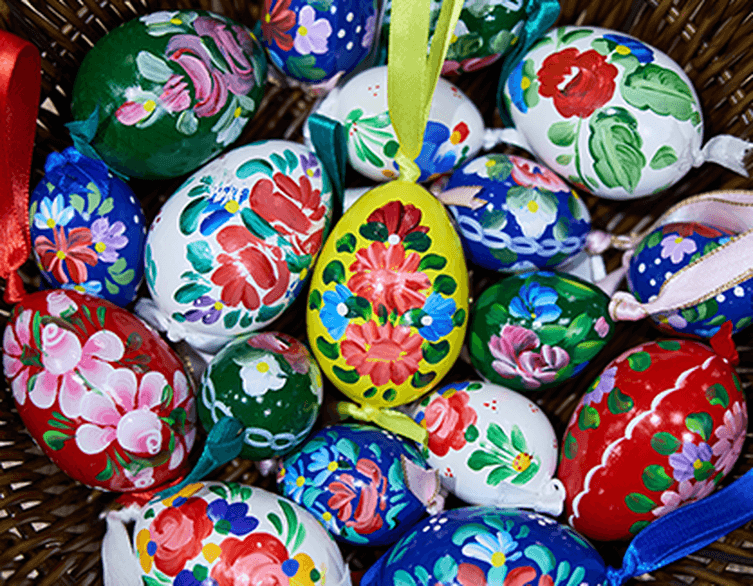
Eggs are everywhere at Easter in Hungary, both on the plate and as decoration. Hard-boiled eggs often appear alongside the ham, but they also show up beautifully dyed and intricately painted as symbols of rebirth and new life. Keep an eye out at Easter markets for egg-painting demonstrations where local artisans showcase this traditional craft — it’s a wonderful cultural experience in itself.
Best deals of Budapest







Kalács — Hungary’s Easter Bread
If there’s one baked good that defines Hungarian Easter, it’s kalács. This soft, sweet, braided bread is made with eggs, milk, butter, and a touch of sugar, making it wonderfully rich and pillowy — somewhere between a brioche and a classic sweet loaf. Hungarians take it seriously: it’s not an optional addition to the Easter table, it’s essential. The slightly sweet flavor pairs perfectly with the smoky, salty ham and the sharp bite of pickled horseradish, creating a balance that’s uniquely Hungarian.
Lamb Dishes — An Easter Sunday Specialty
Roast lamb and lamb stew appear on special Easter Sunday menus across Budapest’s restaurants and are well worth seeking out. Lamb dishes have a long symbolic connection to Easter celebrations, and Hungarian chefs prepare them with care — often slow-roasted or braised with paprika and seasonal herbs. If you’re dining out on Easter Sunday, check whether the restaurant offers a seasonal lamb dish as part of their holiday menu.
Street Food at Easter Markets
Budapest’s Easter markets are a foodie’s paradise, and the street food options alone are worth the visit. You’ll find classic Hungarian market favorites alongside seasonal Easter specialties:
- Lángos — deep-fried dough topped with sour cream and cheese, a beloved Hungarian street food staple
- Kürtőskalács — the iconic chimney cake, a spiral of sweet dough roasted over an open flame
- Local pastries and seasonal sweets, including marzipan Easter eggs and traditional Hungarian cakes
- Lamb prepared in various ways, as well as egg and ham dishes
- Local wines, craft beers, and pálinka, Hungary’s famous fruit brandy
Where to Find the Best Easter Food in Budapest
The most famous Easter market is at Vörösmarty Square, where you’ll find food stalls, folk crafts, live music, and egg-painting workshops all in one place. The Great Market Hall on Vámház körút also hosts a lively Easter and Spring Fair with local food producers and artisan stalls. For a more relaxed atmosphere, the Gozsdu Courtyard Easter Market in the Jewish Quarter offers a younger, contemporary vibe while still serving up all the traditional flavors.
Related news