How Hungarians Celebrated Christmas a Century Ago: From Handcrafted Ornaments to Sweet Traditions

Visiting Budapest during the Christmas season feels like stepping into a winter fairy tale — from the scent of mulled wine in the air to the twinkle of light-covered boulevards. But have you ever wondered how these customs looked a hundred years ago? Hungarian holiday traditions have a fascinating story that reflects centuries of change, blending Christian symbolism, family spirit, and the unmistakable charm of Hungarian craftsmanship.
The Birth of the Christmas Tree Tradition in Hungary
Although the idea of decorating a tree at Christmas originated in 16th-century Germany, the tradition reached Hungary in the early 19th century. Noble and wealthy families were the first to embrace it — among them Countess Teréz Brunszvik, founder of Hungary’s first kindergarten, and the aristocratic Podmaniczky family. In their homes, each child received a small decorated pine tree with gifts beneath its branches.
By the late 1800s, the Christmas tree — once a symbol of noble refinement — had become a centerpiece in middle-class and rural households alike. Over time, the evergreen tree evolved into a shining symbol of love, renewal, and light. Families adorned it with fruits, nuts, and handmade paper ornaments, later replaced by glass baubles and shimmering tinsel imported from Germany’s Thuringia region.
Best deals of Budapest






Between the Wars: A Golden Age of Ornament Making
The period between 1920 and 1945 marked a turning point in Hungarian Christmas aesthetics. Tree decoration became widespread, and mass production began to shape the look of the festive season. The first industrially made ornaments appeared — silver lametta, tin spirals, icicles, candle holders, and glass figurines that reflected the warm glow of real candles. Yet ancient symbolism remained — the star or angel placed atop the tree represented the guiding light that led shepherds to Bethlehem.
This was also the era when the focus of Christmas shifted toward children. Gift-giving, once a religious expression, became a celebration of joy and togetherness. Budapest’s toy shops on Kertész Street and the famous Árkád Bazaar filled with wooden animals, spinning tops, porcelain dolls, and tiny furniture sets — treasures that turned Christmas morning into pure magic.
Sweet Symbols: The Story of the Hungarian “Szaloncukor”
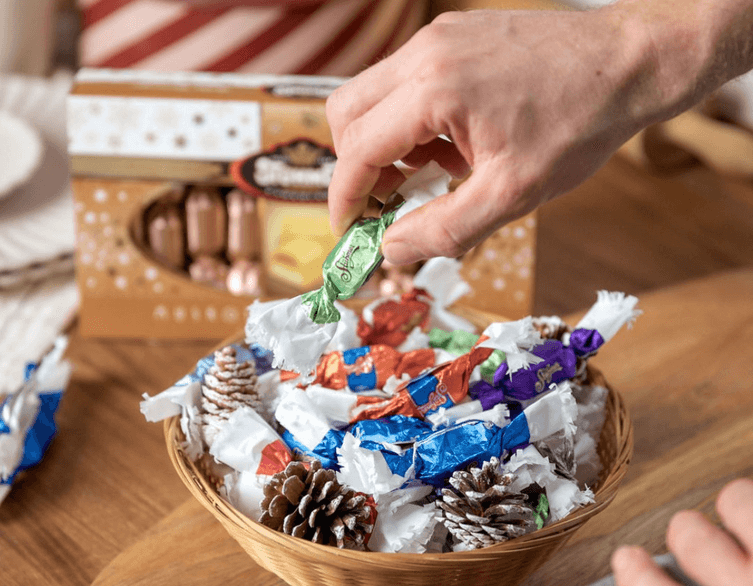
No Hungarian Christmas is complete without “szaloncukor,” the gleaming, foil-wrapped sweets that hang from every tree. This unique confectionery tradition dates back to around 1895, when the Gundel confectionery created the first versions. What started as hand-wrapped fondant evolved into today’s beloved variety of chocolate-coated, fruit-filled, or marzipan delights.
For visitors, tasting or even buying a box of szaloncukor to take home is a tradition worth embracing — it’s both dessert and decoration in one irresistible package. You can find elegant assortments in Budapest markets, especially near Vörösmarty Square, where the scent of roasted chestnuts mixes with holiday music and laughter.
Christmas Under Socialism: From Nativity to “Pine Tree Fest”
In the decades following World War II, Hungary’s Christmas customs took a more secular turn. During the socialist era, the religious meaning of Christmas faded as the state promoted a new narrative — Santa became “Father Frost,” and the celebration turned into a “Pine Tree Festival.” Yet families quietly kept the holiday’s heartfelt traditions alive.
Glass ornaments became brighter and more abstract, often covered with gleaming snowflake designs, while factory-made szaloncukor shifted toward mass-produced jelly-filled confections. Underneath the shiny surfaces, though, the essence of Hungarian Christmas — warmth, family, and shared memories — endured unwaveringly.
A Visit Through Time: Experiencing Christmas Past and Present
Today, exploring Budapest at Christmastime means witnessing this living tradition — a perfect blend of nostalgia and modern festivity. The Christmas markets, the warm glow of Andrássy Avenue, and the grand Christmas Tree in front of St. Stephen’s Basilica all echo the spirit of past centuries.
For those eager to delve deeper into the roots of Hungarian Christmas, museums such as the Hungarian Museum of Ethnography or the Budapest History Museum often host seasonal exhibitions showcasing historical ornaments, antique nativity scenes, and vintage toys. Walking through these halls feels like traveling back to a time when gifts were carved by hand, and every candle flame symbolized hope for renewal in the darkest days of winter.
Visiting Budapest during the festive season isn’t just about sightseeing — it’s about connecting with a centuries-old story of light, community, and celebration. And as you stroll among the glowing stalls with a szaloncukor in hand, you might just feel a little closer to how Hungarians once celebrated Christmas under the same winter stars.
Related news
The Journey of Christmas Trees in Budapest: What Happens After the Holidays
Christmas lights are slowly dimmed, decorations are packed away, and Budapest readies itself for a quieter winter rhythm. But if you stroll through...

Budapest Keeps Moving at Christmas: A Quiet Thank You to the People Behind the City
While most of us were unwrapping presents, clinking glasses, or hurrying to meet loved ones on December 24, Budapest was quietly doing what it does...
Where to Take PERFECT Christmas Selfies in Budapest 2025: 7 Must-Visit Markets & Light Trails for Insta Gold
Hey, festive frame-fillers! Budapest’s Christmas glow (Dec 2025, snow-free but light-drenched) is a tourist’s Insta dream—markets till...
Budapest’s Vörösmarty Classic Christmas Market: A High-Tech Holiday Celebration with Live Events, Artisanal Treasures, and Festive Fun
Budapest’s Vörösmarty Classic Christmas Market is a showcase of festive spirit, brimming with enchanting experiences beyond the groundbreaking...
Budapest Christmas Markets 2025: Complete Guide to the City’s Festive Holiday Markets
Budapest transforms into a winter wonderland each holiday season, with magical Christmas markets opening throughout the city from mid-November through...
The Sweet History of Szaloncukor: Hungary’s Beloved Christmas Candy
Szaloncukor, a quintessential Hungarian Christmas treat, is more than just a candy. It’s a tradition, a decoration, and a symbol of festive joy...
Related events