Budapest Wins Global Urban Excellence Award — Here’s Why This City Keeps Surprising the World
If you’ve ever strolled along the Danube Embankment on a sunny weekend, hopped on one of Budapest’s iconic yellow trams, or navigated the city effortlessly with a single app, you’ve already experienced firsthand what the world is now officially recognizing. In 2026, Budapest received a Special Mention at the prestigious Lee Kuan Yew World City Prize, one of the most respected urban development awards on the planet. The main prize went to London, but Budapest stood proudly alongside cities like Antwerp, Guangzhou, Taipei, and Tianjin — a remarkable achievement for a city that has quietly been reinventing itself for years.
So what exactly makes Budapest so special? And why should this award matter to you as a visitor? Let’s take a closer look.
A City That Does More With Less
The Lee Kuan Yew World City Prize jury didn’t just applaud Budapest for its grand projects or unlimited budgets — quite the opposite. What impressed the judges most was Budapest’s ability to deliver meaningful urban transformation with limited financial resources. As a historic European capital of over 1.7 million residents, the city has managed to punch well above its weight through strategic thinking, tactical urbanism, and genuine community involvement.
The jury noted that one of Budapest’s greatest strengths is its ability to think in systems — physically and digitally connecting transport networks, reclaiming public spaces, and restoring its natural environment all at the same time. This holistic, joined-up approach, developed consistently since 2019, is what sets Budapest apart from many larger and wealthier cities.
Getting Around Has Never Been Easier
One of the most tangible things you’ll notice as a tourist is how seamlessly Budapest’s transport system works. The city has unified what were once fragmented, historically separate tram lines into a modernized, continuous network running across both the Buda and Pest sides of the river. This wasn’t a simple task — these lines were originally built by different companies at different times — but the result is an elegant, accessible system that makes exploring the city genuinely enjoyable.
Széll Kálmán Square, one of the city’s busiest transport hubs, has been transformed into a modern multi-modal node where trams, metro lines, buses, cycling routes, and pedestrian paths all converge. If you’re using public transport during your visit, chances are you’ll pass through it more than once. Similarly, the M4 metro line — a sleek, automated east-west connection — has not only improved daily commutes but has also sparked urban regeneration in the neighborhoods surrounding its stations, making previously overlooked parts of the city well worth a detour.
And then there’s BudapestGO, the city’s all-in-one mobility app used by over 1.4 million people every month — that’s roughly 78% of the entire population. As a visitor, it’s your best friend: it integrates every mode of transport and offers broader city information, all in one place. Download it before you arrive and thank yourself later.
Best deals of Budapest





Public Spaces Reclaimed for People
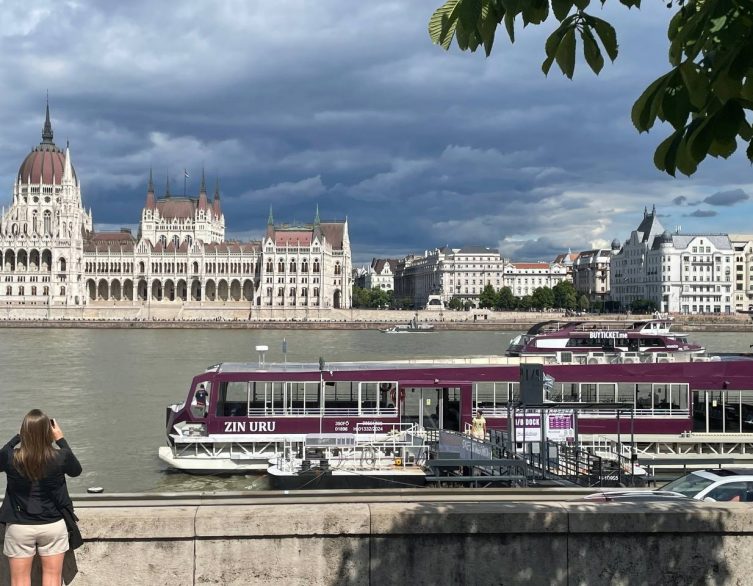
Beyond transport, Budapest has been quietly winning back its streets and riverbanks for residents and visitors alike. The car-free Danube Embankment is perhaps the most striking example of this transformation. What was once dominated by traffic is now a flexible, dual-purpose space — open for recreation, cycling, and leisurely walks on weekends and during summer, while remaining accessible for necessary traffic on weekdays. It’s the kind of thoughtful compromise that shows the city genuinely understands how people want to use their city.
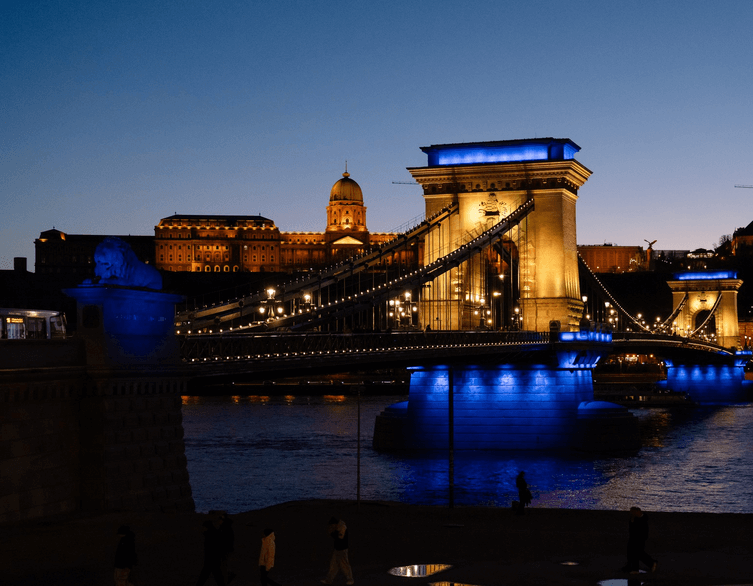
The Chain Bridge, one of Budapest’s most iconic landmarks, has also been reimagined. Following its restoration, the bridge now prioritizes public transport and cyclists over private cars, making it a living symbol of the city’s shift toward more sustainable, people-first mobility. Walking or cycling across it with panoramic views of the Parliament building and the Castle District is, without exaggeration, one of the great urban experiences in Europe.
This broader movement toward reclaiming streets and car parks as pedestrian-priority environments has been driven not just by city planners, but by residents themselves. Budapest’s participatory budgeting programme gives citizens a direct say in how municipal resources are spent, ensuring that neighborhood improvements reflect what communities actually need and want. For visitors, the result is a city that feels alive, cared for, and genuinely liveable.
A Cleaner, Greener Budapest
Perhaps the most dramatic transformation has happened along the Danube itself. Decades ago, the river running through the heart of this beautiful city was heavily contaminated. Today, following the construction of a comprehensive sewage treatment system, the Danube has been restored to swimmable condition — a remarkable environmental reversal that few cities have managed to achieve.
Green infrastructure has expanded to over 2,500 hectares across the city, with projects like Pünkösdfürdő Park offering residents and visitors new spaces to connect with nature. These initiatives aren’t just about aesthetics — they serve a practical purpose too, integrating flood control and climate resilience into the city’s long-term planning. Budapest’s adoption of the Healthy Streets programme further reflects the city’s commitment to improving public health and quality of life for everyone who walks its streets.
Why Budapest Deserves a Spot on Your Travel List
Awards like the Lee Kuan Yew World City Prize don’t go to cities that merely look good on paper. They go to cities that are genuinely improving life for the people who live and move through them. Budapest is one of those rare places where world-class history, culture, and architecture meet a forward-thinking urban vision that makes the day-to-day experience of being there a pleasure.
Whether you’re riding the tram along the Danube, cycling across the Chain Bridge, exploring a newly revitalized neighborhood near an M4 metro station, or simply sitting in a beautifully redesigned public square — you’re experiencing the results of years of careful, community-driven work. The jury said it best: Budapest is proof that with creativity, strategic thinking, and a genuine commitment to people, a city can transform itself without unlimited resources.
That’s a story worth coming to see for yourself.
Related news
Clocks Spring Forward in Budapest: Everything You Need to Know About the 2026 Time Change
If you’re planning a visit to Budapest in late March 2026, there’s one small but important detail you’ll want to keep in mind:...
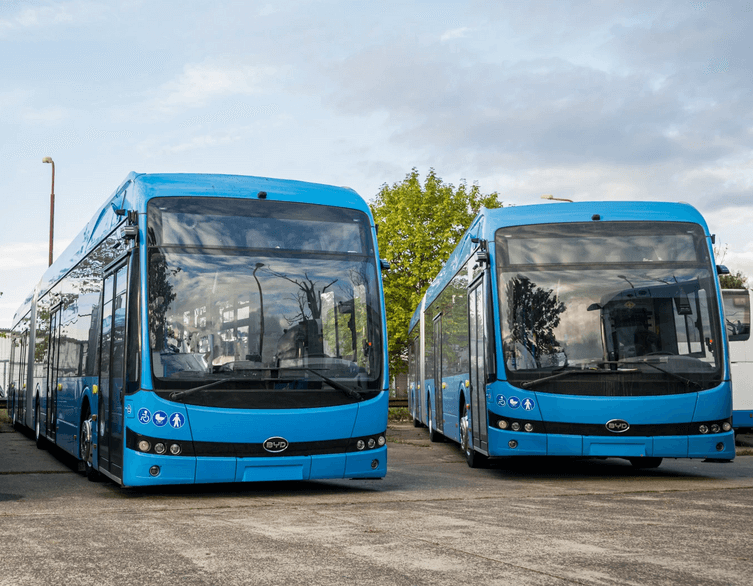
Budapest Is Going Electric: New Electric Articulated Buses Are Hitting the Streets This Spring
If you’re planning a visit to Budapest in the coming months, you’re in for a treat — and not just because of the city’s stunning...
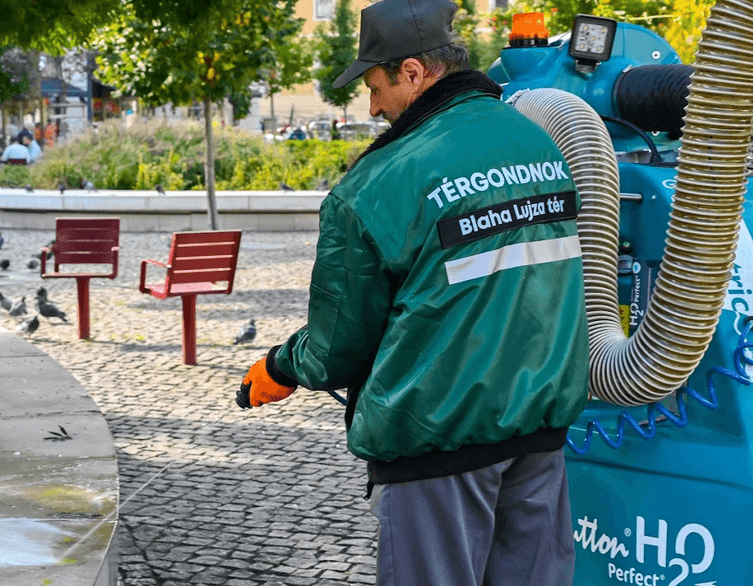
Budapest Is Getting Cleaner: Meet the Square Wardens Keeping the City Tidy for You
If you’ve strolled through Budapest recently and spotted someone in a dark green uniform quietly picking up litter, checking on a park bench,...
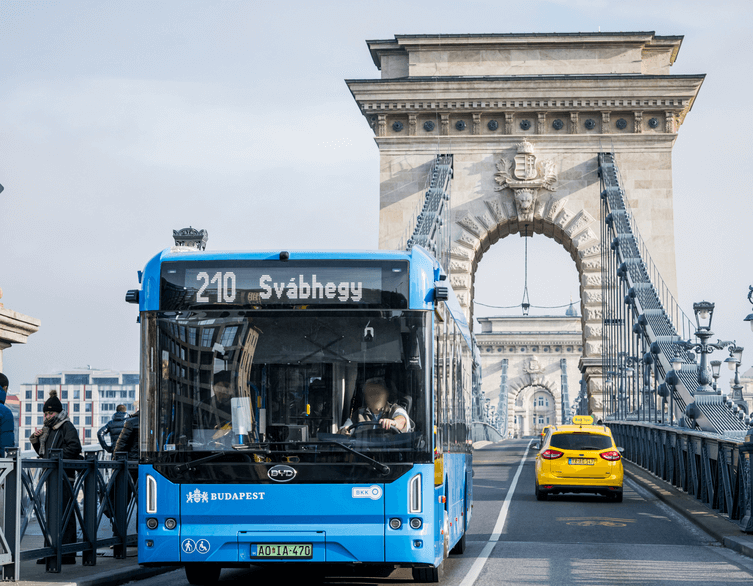
Budapest’s Public Transport Gets a Spring Upgrade: More Buses, More Trams, and Easier Access to the City’s Green Spaces
Spring has arrived in Budapest, and the city is responding in the best way possible. As the temperatures rise and the urge to get outside takes over,...