Train Delays in Budapest This Weekend: What Travellers Need to Know About the Clock Change
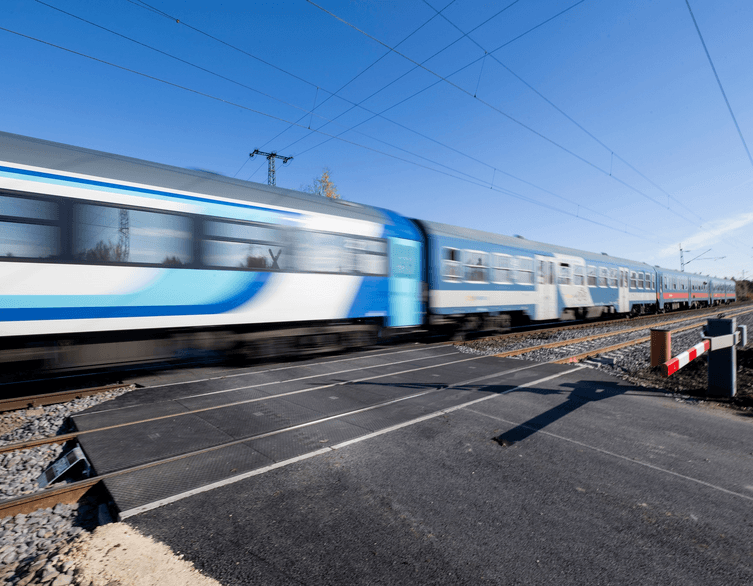
If you are arriving in or departing from Budapest by train this weekend, there is something important to add to your travel checklist. The switch to summer time on Sunday, March 29 is not just a matter of losing an hour of sleep — it also directly affects international rail services across Hungary, and some trains could be running up to an hour late. Here is what you need to know before you head to the station.
Why the Clock Change Disrupts Train Schedules
Railway networks run on extraordinarily precise timetables, and when clocks jump forward by an hour in the middle of the night, trains that are already in motion have no way of simply adjusting on the fly. At 2:00 AM on Sunday, March 29, Hungary moves to summer time, and any international train travelling through the country in the hours surrounding that moment will be affected. According to Hungarian national railway operator MÁV, international services passing through stations after 2:00 AM will generally arrive 20 to 60 minutes later than their scheduled times.
The knock-on effect is felt across the entire network. A train that crosses from one country into Hungary in the early hours of Sunday morning is already operating under a different time regime on one side of the border, and synchronising that across multiple rail networks takes time — sometimes the entire duration of the remaining journey.
Which Routes Are Most Affected
Six international train services operating on Hungarian territory are directly impacted by the time change this weekend. The disruptions are particularly relevant for travellers on routes connecting Budapest with Vienna, Bucharest, Brașov, Kyiv, Prague, Berlin, Warsaw, and Salzburg. For trains that departed on the evening of Saturday, March 28 — especially overnight sleeper services heading to Bucharest, Brașov, or Salzburg — the effects of the time change begin accumulating as soon as the train crosses into networks that have already switched to summer time. These services could arrive at their final destination with delays of approximately 60 minutes.
For trains arriving into Budapest from abroad, the situation is similar. Services coming from Prague, Berlin, Warsaw, Salzburg, and Bucharest may reach Budapest 40 to 60 minutes behind schedule. In some cases, adjustments have been made to the way international carriages are handled — certain trains will have their international coaches separated and forwarded on dedicated services to manage the time discrepancy more smoothly.
Best deals of Budapest










It is also worth noting that on some sections of the network, trains will still be running on the winter timetable for part of their journey before gradually transitioning to summer time schedules. This means delays may reduce progressively as the train travels further along its route, but passengers should still budget for significant lateness, especially if they have onward connections to make.
What This Means If You Are Travelling Through Budapest
If your travel plans this weekend involve an international train connection in Budapest — whether you are arriving from abroad or departing to another European city — the practical advice is straightforward: give yourself more buffer time than usual, and check your train’s status before you leave for the station. A 60-minute delay on an overnight train can unravel a carefully timed itinerary, particularly if you are connecting to a domestic service, a flight, or a pre-booked transfer.
Budapest Keleti Railway Station is the main hub for international rail connections, and MÁV staff and information boards there will have the most up-to-date arrival and departure times. You can also check the latest timetable information on the MÁV website before setting out. Station ticket offices and customer service desks are another option if you need personalised assistance with your journey.
A Good Weekend to Travel Slowly
The silver lining, if there is one, is that a delayed arrival or departure gives you an unexpected excuse to spend a little more time in one of Europe’s most beautiful train stations — or in Budapest itself. Keleti Station has been undergoing a long-awaited renovation and its grand 19th-century façade remains one of the most atmospheric railway arrivals in Central Europe. If you find yourself with an extra hour to spare, the surrounding neighbourhood has plenty of cafés and bakeries to settle into while you wait.
More broadly, the clock-change weekend is a fine time to take a slower approach to Budapest in general. The city rewards unhurried exploration, and an unplanned extra hour in a warm café or a quiet museum is rarely a bad thing. Just make sure your travel plans have enough flexibility built in to absorb whatever the railways — and the calendar — throw at you this Sunday.