The Grand Circus Turns 55: Celebrating Budapest’s Iconic Palace of Wonders
If you wander through Budapest’s City Park on a crisp winter morning, just a few steps from Heroes’ Square, you might catch sight of a building that seems to ripple with movement. Its gleaming glass façade and soaring dome tell of a space where imagination takes flight — the Capital Circus of Budapest (Fővárosi Nagycirkusz), one of the city’s most magical landmarks.
This month marks a special milestone: the 55th anniversary of the circus building, often lovingly called the Circus Palace. Opened on January 14, 1971, the venue has since become a treasured cultural monument, witnessing thousands of performances, milestones, and memories that span generations.
From Vision to Reality: The Birth of the Circus Palace
The story of today’s permanent circus building is a story of bold dreams and architectural innovation. Designed by Ferenc Barbier, János Fazekas, and Dr. Iván Kotsis, the construction took five years to complete. When it finally opened in 1971, it represented the height of modern design and technology in Hungary.
One of its most remarkable features is its pillar-free dome, an engineering marvel that allows uninterrupted views from every seat in the house. The structure’s unique roofline gives the entire building the shape of a giant circus tent, blending architectural ingenuity with the romantic spirit of the circus world. Inside, artists enjoyed spacious dressing rooms and social areas, while 1,849 spectators could find comfort in a bright, well-equipped auditorium.
Under the direction of Mária Picard Eötvös, the opening gala brought home Hungarian artists from around the world. It was a night to remember — a glittering showcase of talent that cemented Budapest’s status as the circus capital of Europe.
A Night That Made History
The opening gala in 1971 gathered legendary performers whose names are still spoken with reverence in Hungarian circus history. From acrobats and illusionists to daring animal trainers and graceful aerialists, they created a spectacle of artistry and passion.
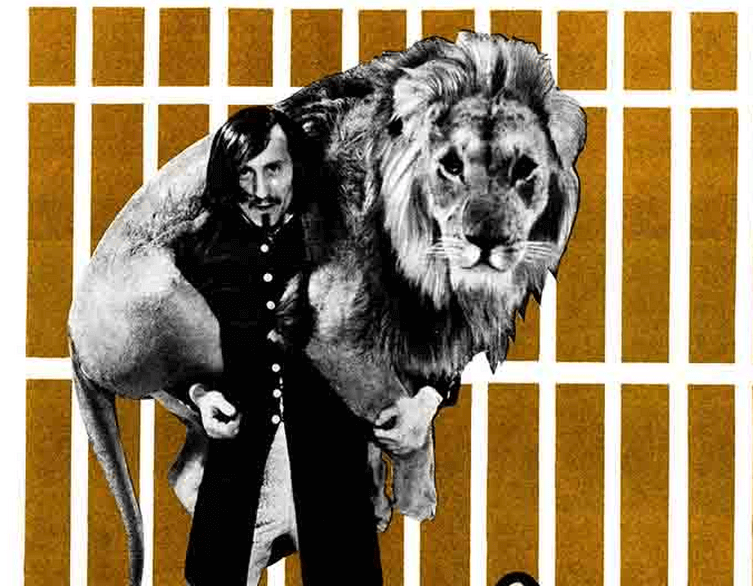
Among them were the Eötvös, Richter, Donnert, and Váradi families, dynasties that have shaped the course of Hungarian circus art for generations. The show was accompanied by the live orchestra led by conductor Tamás Radnóti, while the choreography, costume design, and set decorations reflected the creative optimism of the era. Even the country’s most beloved magician, Rodolfo, graced the stage, adding a touch of wonder to an already star-studded evening.
Best deals of Budapest




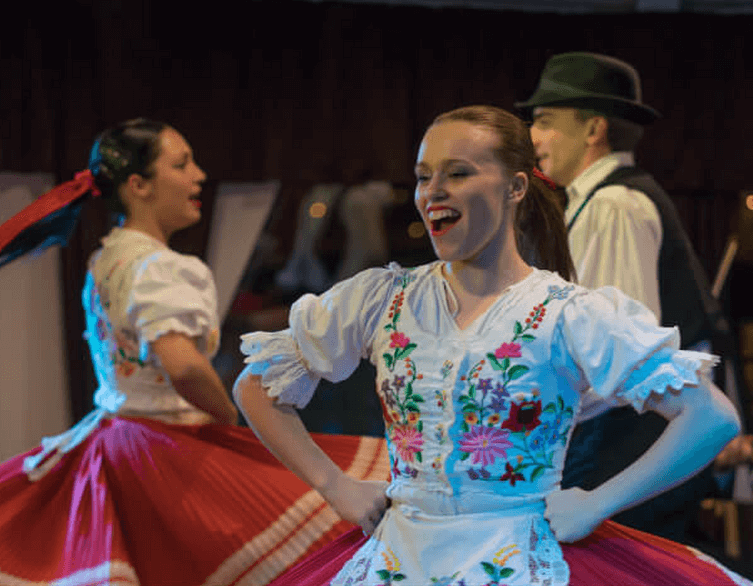
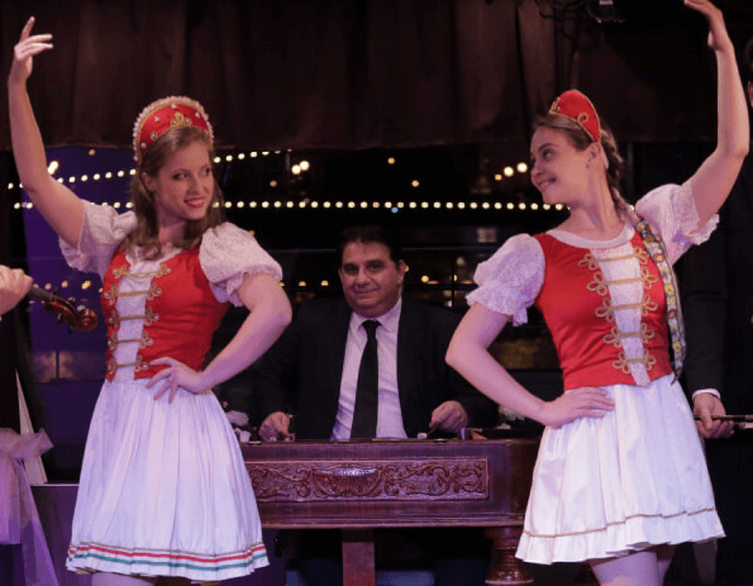




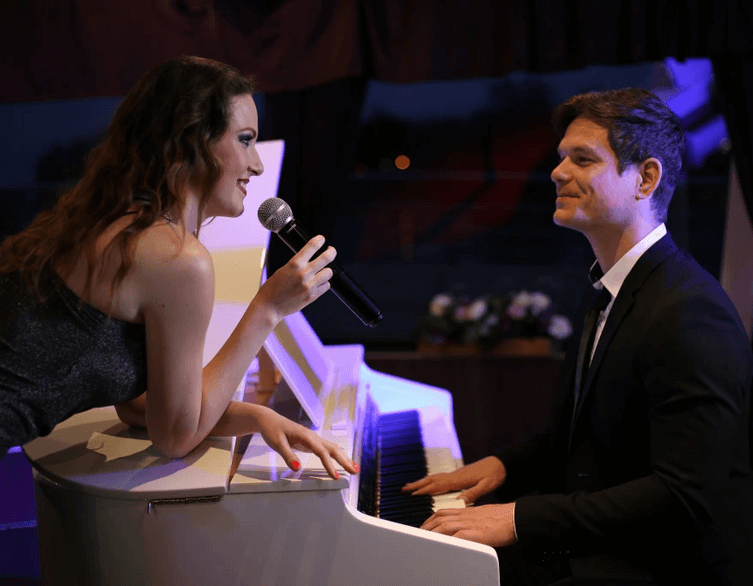
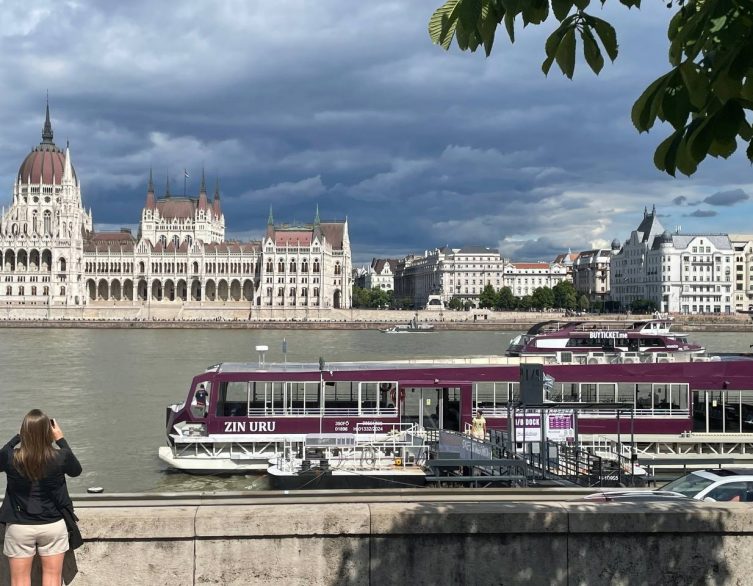
The night wasn’t just an opening ceremony — it was a moment of national pride, marking the beginning of a new era for Hungary’s performing arts.
A Living Museum: Preserving the Magic of the Past
Today, visitors can relive this living heritage through the exhibitions of the Hungarian Circus Arts Museum, Library and Archives, located within the Capital Circus complex. The institution’s mission is to preserve, research, and share the treasures of Hungarian circus history — from vintage posters and photographs to dazzling costumes, props, and film recordings.
Earlier this January, the museum held a Circus Museum Flash — an 8-minute pop-up exhibition during the 16th Budapest International Circus Festival — unveiling rare artifacts and personal items from some of Hungary’s greatest performers. These included Evelyn and André’s flaming gala costumes, Czesiler Ferenc “Tihany”’s iconic magician’s outfit and wand, and the colorful jumpsuits of the legendary Halassy trampoline troupe.
Visitors can view these remarkable objects on the museum’s first floor, where permanent displays are complemented by short documentary screenings that tell the stories behind each artifact. From portraits of the famous Beketow directors sculpted by Beck Ö. Fülöp to contemporary film tributes, every corner of the exhibition is steeped in nostalgia and artistry.
Where Yesterday and Today Meet Under the Dome
The Capital Circus of Budapest isn’t a relic of the past — it’s a living stage, continually hosting innovative, world-class performances throughout the year. From breathtaking acrobatics at the winter Budapest International Circus Festival to family-friendly spectaculars and modern lyrical circus shows, the venue continues to evolve while honoring its heritage.
For foreign visitors, attending a performance here is more than an evening of entertainment — it’s a journey through time and imagination. The buzzing energy of the audience, the live orchestra’s pulse, and the timeless thrill of human achievement make it one of Budapest’s most captivating cultural experiences.
How to Visit
Located in City Park (Városliget), near the Széchenyi Baths and the Budapest Zoo, the Capital Circus of Budapest is easy to reach by metro (M1 line, Széchenyi fürdő station). Performances are held year-round, and the on-site museum is open to the public with free admission to its reading room and archival resources.
Whether you’re a history lover, an art enthusiast, or someone looking to see something truly unique, the Capital Circus offers an unforgettable glimpse into Hungary’s artistic spirit — a celebration of skill, courage, and creativity that’s been shining under its glass dome for 55 incredible years.
Related events
Related attractions
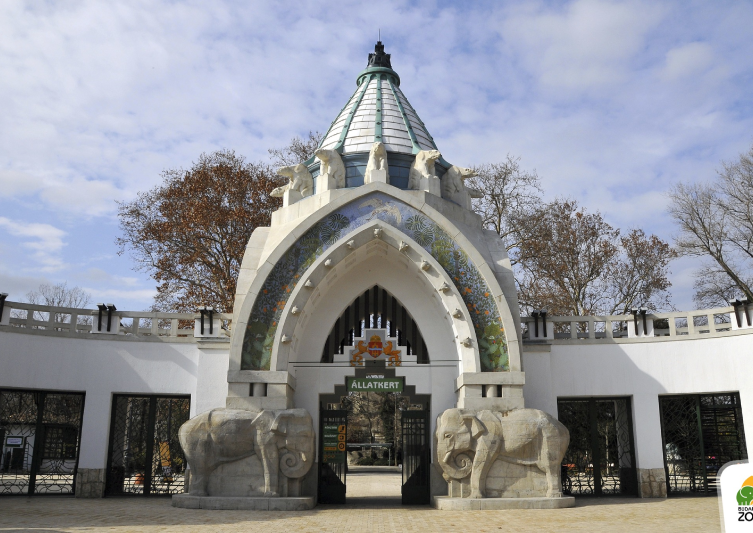
The Budapest Zoo & Botanical Garden: The Wonders of Nature In The Heart of Budapest
The Budapest Zoo & Botanical Garden is one of the oldest zoos in the world and a must-see attraction for any foreign tourist visiting Hungary’s...
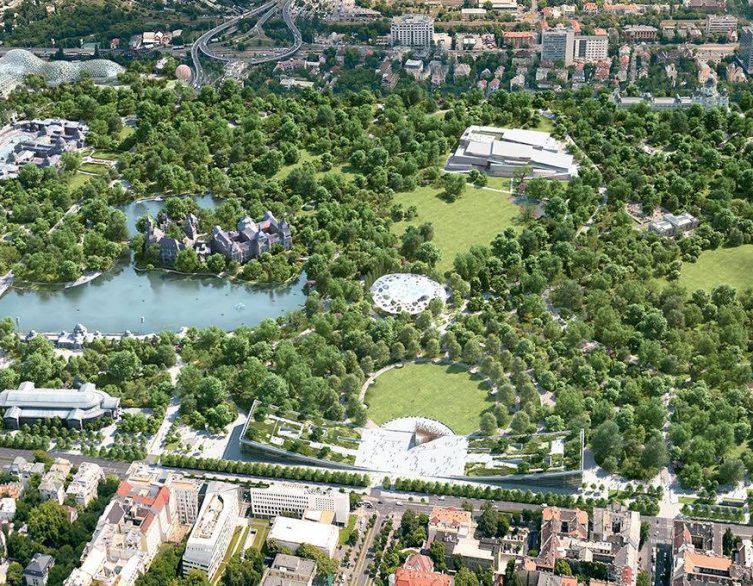
Városliget: Budapest’s Green Oasis for Nature and Culture
Nestled in the heart of Budapest, Városliget (City Park) stands as a verdant oasis, offering a refreshing escape from the bustling city life. Right...
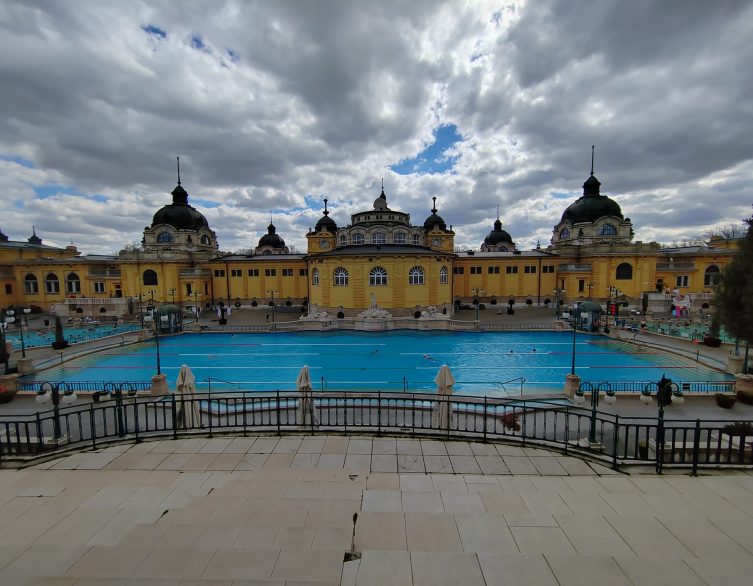
Széchenyi Thermal Bath: Budapest’s aquatic gem
The Széchenyi Thermal Bath, located in the heart of Budapest city, is one of the largest and most iconic thermal baths in Europe. Boasting an impressive...