Ten Years, 8.5 Million Passengers: FlixBus Is Reshaping How You Travel To and From Budapest
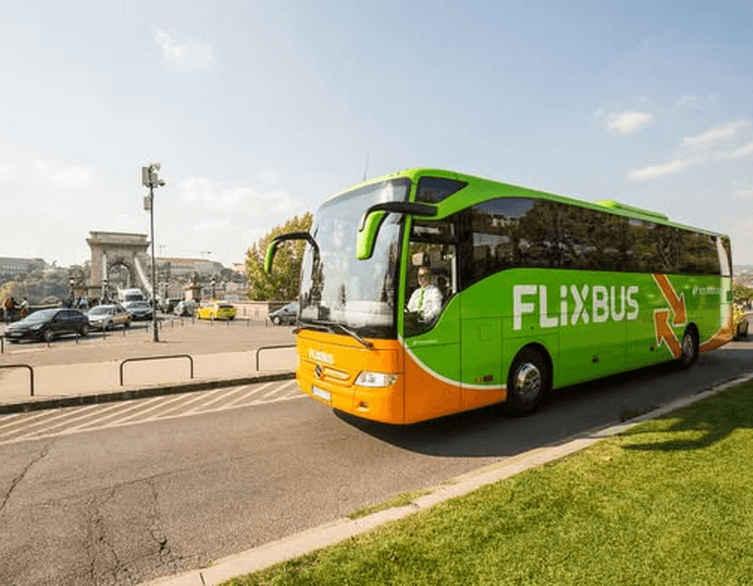
If you’ve ever looked up budget-friendly ways to get around Europe, chances are you’ve come across FlixBus — the green-liveried bus company that somehow manages to connect half a continent at prices that make airline fees look absurd. Well, Budapest has been part of that story for a decade now, and 2026 is turning out to be a milestone year for the company’s presence in Hungary. From brand-new stops at iconic train stations to the city’s first-ever scheduled bus link between downtown and the airport, there’s never been a better time to explore what FlixBus can do for visitors to the Hungarian capital.
From One Route to a Regional Hub
FlixBus arrived in Hungary in 2016 with a single connection: the Route 902 from Népliget bus station to Vienna. It was modest by anyone’s standards — just one daily service on one corridor. Fast-forward ten years, and Budapest has grown into one of FlixBus’s most important nodes in Central and Eastern Europe. In that time, more than 8.5 million passengers have used Hungarian stops, and today the network spans 66 international routes connecting Budapest to 253 cities across 17 countries, with an average of 110 departures every single day. That kind of growth doesn’t happen by accident — it reflects how naturally Budapest sits at the geographical heart of the region.
To mark the anniversary, FlixBus held a press event on March 25, 2026, where Michal Lehman, the company’s Vice President for Eastern Europe, outlined what the next chapter looks like. The tone was confident, and for good reason.
The Most Popular Destinations From Budapest
Vienna remains, by a considerable margin, the most popular destination from Budapest on the FlixBus network. In 2025, the top five routes were Vienna, Bratislava, Zagreb, Kraków, and Prague — a list that reads almost like a Central European city-break wishlist. The original Route 902 to Vienna now runs 27 times a day, up from 10 at launch, representing a 161% increase in frequency over one decade. It is currently the most frequently operated route in FlixBus’s entire global network, and it sells three times as many tickets as the second most popular route from Hungary. To celebrate the anniversary, a special commemorative bus with unique jubilee livery has been put into service on this iconic corridor.
Airport connections are also growing in significance. The Budapest–Vienna Airport route ranks sixth in popularity, while the Budapest Airport–Košice connection comes in ninth. This tells its own story: travellers are increasingly savvy about combining transport modes, using FlixBus not just as a point-to-point bus service but as part of a wider, multi-modal journey.
A New Chapter: FlixBus Goes Domestic
Here’s where things get genuinely interesting for visitors. Starting in April 2026, FlixBus is launching its first-ever domestic route in Hungary — a direct connection between Budapest Keleti Railway Station and Budapest Liszt Ferenc International Airport. This is a so-called cabotage route, meaning an international operator is running a purely domestic service within Hungary for the first time, and it marks a significant moment in the country’s transport landscape.
The schedule is straightforward: the morning bus departs Keleti at 8:45 and arrives at the airport by 9:30, while the evening return leaves the airport at 20:45 and pulls into Keleti at 21:45. Yes, it currently runs just once a day in each direction — but the company has been clear that this is a deliberate first step, with gradual domestic expansion to follow. For travellers arriving by train from other Hungarian cities, this new link is particularly welcome: you can now step off an intercity train at Keleti and board a FlixBus directly to the departure terminal, without navigating the metro or hailing a taxi.
Best deals of Budapest









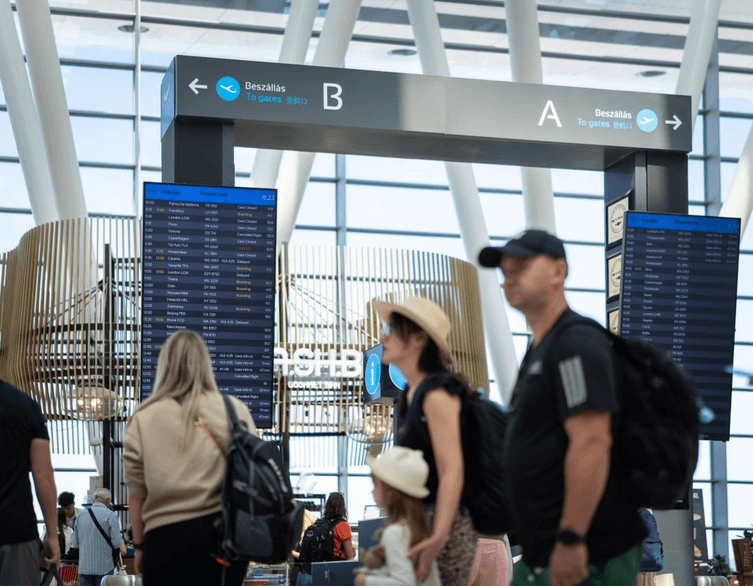
The airport stop itself is located at the bus terminal in front of Terminals 2A and 2B, right by the parking lot — easy to find and well-signposted. Tickets for this route start from around 2,898 HUF, keeping things firmly in budget-travel territory.
New Stops, New Cities, Bigger Network
Beyond the airport route, 2026 is bringing a broader expansion of FlixBus stops across Hungary. The domestic network currently covers 14 cities and 19 stops, but six new stops are being added this year. Budapest Keleti and Budapest Déli (South) railway stations join the network as departure and arrival points, alongside entirely new destinations including Esztergom and Sárvár, while Hévíz and Keszthely — popular spots near Lake Balaton — are returning after a break. For tourists planning to explore beyond Budapest, this is great news: you can now combine international FlixBus travel with domestic legs on the same booking platform.
The Logic Behind the Prices — And Why They Won’t Be Going Up
One of the more reassuring announcements from the anniversary event was that FlixBus has no plans to raise its fares, despite rising oil prices. Lehman explained the reasoning: airlines have already announced price increases, which the company expects to push passengers toward bus travel — effectively compensating for higher operating costs through increased demand. Whether you’re a budget backpacker or simply a cost-conscious traveller, that’s good news.
The broader philosophy at FlixBus is that affordable public transport should be genuinely accessible, not aspirational. International trips from Budapest are bookable from just a few thousand forints, and the company points to its experience in neighbouring markets as evidence that this approach works. In Romania, for example, FlixBus carried 300,000 domestic passengers in just eight months after the market opened to competition. In Croatia, the company’s domestic entry added 2.7 million kilometres of new capacity annually. Hungary, according to Lehman, has both the demand and the potential for a similar story.
How FlixBus Actually Works
You might wonder how a company this large operates without owning most of its buses. FlixBus runs on a franchise-style model: the company handles network planning, pricing, marketing, and ticketing centrally, while local partner operators provide the actual vehicles and drivers. In Hungary, three partners — FiveStars, HCC, and Infinitours — keep the operation running with 34 buses and 175 drivers. It’s an asset-light approach that has allowed FlixBus to expand into more than 45 countries since its founding in Germany in 2013, carrying over 500 million passengers globally.
Looking further ahead, the company is not limiting itself to road travel. FlixTrain, its rail arm, currently operates in Germany and is being positioned for broader European expansion. The long-term vision is an integrated platform where buses and trains complement each other seamlessly within a single booking experience — a genuinely attractive prospect for anyone planning a multi-city European trip.
What This Means for Your Budapest Trip
Whether you’re flying into Budapest Liszt Ferenc International Airport, arriving by train at Keleti, or planning day trips to places like Esztergom or Keszthely, FlixBus is increasingly woven into the fabric of how you move around the city and the wider region. The new airport route alone simplifies one of the perennial headaches of Budapest travel: getting between the city centre and the terminal without breaking the bank. And with 66 international lines fanning out from Budapest in every direction, the city makes an excellent base for exploring Central Europe — one very affordable green bus at a time.
Related news
Your Stress-Free Guide to Budapest Airport: Everything Just Got a Whole Lot Easier
Traveling through a foreign airport can feel like navigating a maze — especially when you’re in a country whose language looks and sounds...

Budapest Airport Named Best in Eastern Europe — Again
If you’re flying into Budapest this year, you’re landing at one of the most consistently acclaimed airports in the world. Ferenc Liszt...
Budapest Airport’s New Digital VAT Refund: Save Big on Your Shopping Spree
Hey, fellow traveler—if you’re jetting into Budapest from outside the EU, get ready for a game-changer at Ferenc Liszt International Airport...
Budapest Airport Security Boost: What Middle East Tensions Mean for Your Trip
If you’re packing your bags for Budapest, you might have spotted headlines about a raised terror threat level in Hungary – don’t worry, it’s...

Budapest Airport Made Easy: How to Use the 100E Airport Express Like a Local
If you are already dreaming of spring or summer in Budapest and busy booking flights, there is one thing you really do not have to stress about:...
Late-Night in Budapest? How the City Keeps You Moving from the Airport
If you’re arriving in Budapest late at night, especially after a long flight or a winter storm that’s shuffled schedules across Europe, here’s...