Remembering the Budapest Ghetto: A Solemn Tribute to Courage and Memory
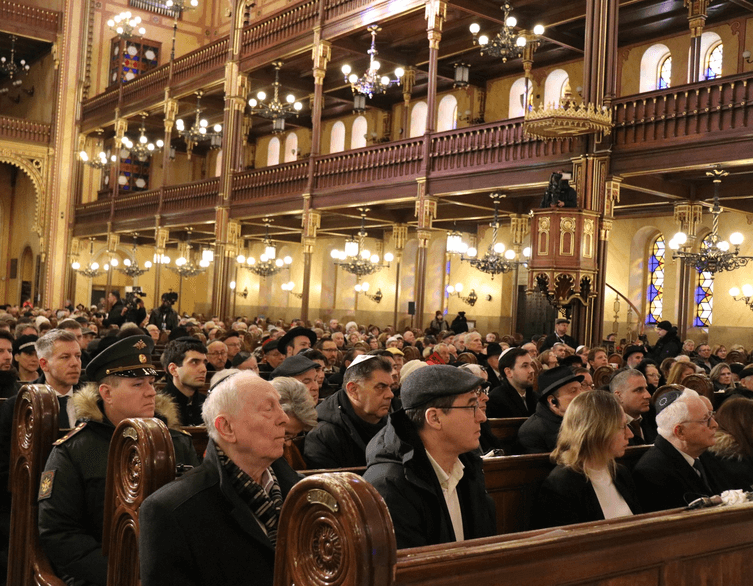
On a quiet Sunday morning in Budapest, history echoed once again in the heart of Erzsébetváros, as the city and the Jewish community came together to mark the 81st anniversary of the liberation of the Budapest ghetto. This solemn occasion, observed on January 18, 2026, is more than just a date in the calendar: it is a sacred moment to remember the victims, honor the survivors, and reflect on the enduring importance of human courage in the darkest times.
The Liberation of the Budapest Ghetto
The Budapest ghetto, created in the final, brutal phase of the Holocaust, was a place of unimaginable suffering. In the winter of 1944–1945, tens of thousands of Jews were forced into a tightly packed, walled section of the city’s 7th district, where they lived in extreme cold, hunger, and fear. The ghetto’s liberation on January 18, 1945, came with the advance of the Soviet Red Army, which ended the Nazi and Arrow Cross terror in the city and opened the door to survival for many who had already lost almost everything.
Each year, the Budapest Jewish Community (Budapesti Zsidó Hitközség) holds a moving memorial service in the Dohány Street Synagogue, Europe’s largest synagogue and a powerful symbol of Jewish life, resilience, and memory. This year, the synagogue’s lower level was filled with holocaust survivors, family members, religious leaders, and representatives from many walks of Budapest public life, all united in remembrance.
Faces of the Fences: Survivors and Their Stories
The memorial service gave voice to those who lived through the nightmare. Among the speakers was Miklós Szinetár, a renowned theatre director and Kossuth Prize winner, who survived the war in hiding under a false identity. He shared haunting memories of wandering through the ghettoed streets, including the harrowing experience of seeing row after row of lifeless bodies in the houses of Wesselényi Street, where Jews had perished from cold, starvation, and violence. For him, the Dohány Synagogue became a place of reckoning: a place where he could ask, yet again, why he survived while so many others did not.
Best deals of Budapest








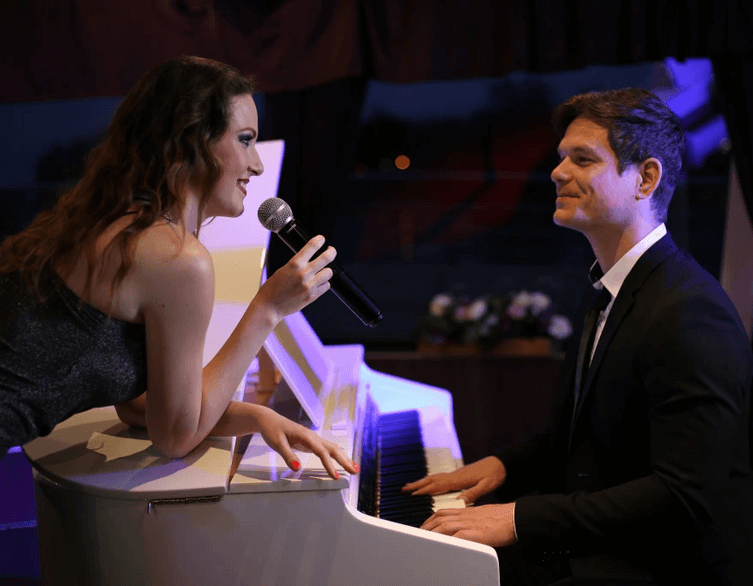
His daughter, actress Dóra Szinetár, followed with a deeply emotional performance of Barbra Streisand’s “Papa, Can You Hear Me?”, turning the synagogue into a space not only of mourning but of art and personal connection across generations. These moments reminded everyone present that the legacy of the ghetto is not only one of statistics and politics, but of individual lives, families, and dreams cut short.
“A Date That Is Not Just a Date”
To be at the Dohány Street Synagogue on January 18 is to understand that this date is not merely a historical milestone; it is what Rabbi Péter Joel Toth put it, “the silence’s cry,” the wordless voice of the millions who can no longer speak. The ghetto, in his words, tried to imprison time itself, to destroy the hope of “tomorrow.” Recognizing that reality forces us to ask not only what happened then, but what is happening in our own time.
He drew a powerful image from the Jewish tradition: the famous concert of virtuoso violinist Jitschak Perlmann, who once had to play on only three strings. Today, he said, we too are trying to play “on three strings,” striving to rebuild after the Holocaust, and asking ourselves not only what happened in the past, but what kind of world we are creating now.
A Painter Who Saved Lives: István Szőnyi
A special part of this year’s commemoration was the opening of an exhibition dedicated to István Szőnyi, a celebrated Hungarian painter and, just as importantly, a righteous rescuer. Szőnyi and members of his family are recognized posthumously as Righteous Among the Nations by Yad Vashem for risking their lives to hide and save Jews during the war. His story is a reminder that even in the worst times, courage and compassion can still change fate.
For visitors exploring Budapest, the Szőnyi exhibition offers a quiet but powerful encounter with art and history, showing how creativity and moral strength can go hand in hand. It also highlights that Budapest’s story of the Second World War is not only about horror and loss, but also about acts of quiet heroism that kept the light of humanity alive.
Why This Memory Matters Today
In his address, Mester Tamás, president of the Budapest Jewish Community, emphasized the timeless lesson of philosopher George Santayana: “Those who cannot remember the past are condemned to repeat it.” The events in Budapest in 1944–1945 – the stripping of rights, forced labor, the Nazi occupation with active Hungarian collaboration, and the murder of around 600,000 Hungarian Jews, with over ten thousand perishing in the Budapest ghetto alone – are not distant chapters. They are a stark warning.
The president stressed that fighting antisemitism, hatred of Israel, and all forms of bigotry is not only a moral duty, but a practical necessity. This fight must be waged not only in memorials, but in politics, education, and public discourse, with the help of schools, museums, and community initiatives that keep the truth alive.
A Place of Remembrance and Learning
For foreign visitors in Budapest, the Dohány Street Synagogue and the surrounding Jewish Quarter are not only a major tourist attraction, but a place of deep historical and emotional significance. The synagogue itself is a place of beauty and sorrow, holding a martyrs’ memorial and the tomb of Theodor Herzl, the founder of modern Zionism.
Nearby, the Wesselényi Street liberation memorial plaque, honored at the end of the ceremony, stands as a quiet but powerful reminder of exactly where the ghetto was and what happened there. Visitors can quietly pay respects, reflect, and learn more about the history at the adjacent Hungarian Jewish Museum and Archives.
How Visitors Can Respectfully Engage
If you are in Budapest and would like to understand this chapter of the city’s history, there are several thoughtful ways to do so:
- Visit the Dohány Street Synagogue and its museum, ideally with a guided tour that explains the context of the ghetto and the Holocaust in Hungary.
- Take a walking tour of the former ghetto area, which covers the 7th district and helps bring the map of history to life.
- Attend a cultural event or exhibition at the Jewish community’s cultural centers, which often explore Jewish history, art, and resilience.
- Be mindful and respectful when visiting memorial sites: these are places of mourning and remembrance, not just photo opportunities.
Memory as a Guide to the Future
The 81st anniversary of the Budapest ghetto’s liberation is a moment to remember the immense human cost of hatred and indifference, but also to honor those who, in the face of darkness, chose courage and solidarity. The words spoken in the Dohány Synagogue – about freedom, survival, and the moral duty to remember – are as relevant today as they were in 1945.
For every visitor walking through Budapest’s streets, this story is part of the city’s soul. By listening to these memories, we help ensure that the silent cry of the past is not forgotten, and that future generations inherit a world shaped more by compassion than by fear.
Related news
Related attractions
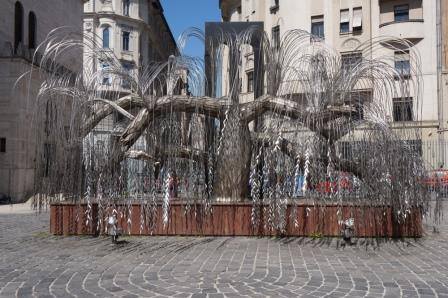
Raoul Wallenberg Holocaust Memorial Park: A Tribute to Victims
Budapest, the vibrant capital of Hungary, is home to a poignant reminder of the darkest chapter in human history – the Raoul Wallenberg Holocaust...
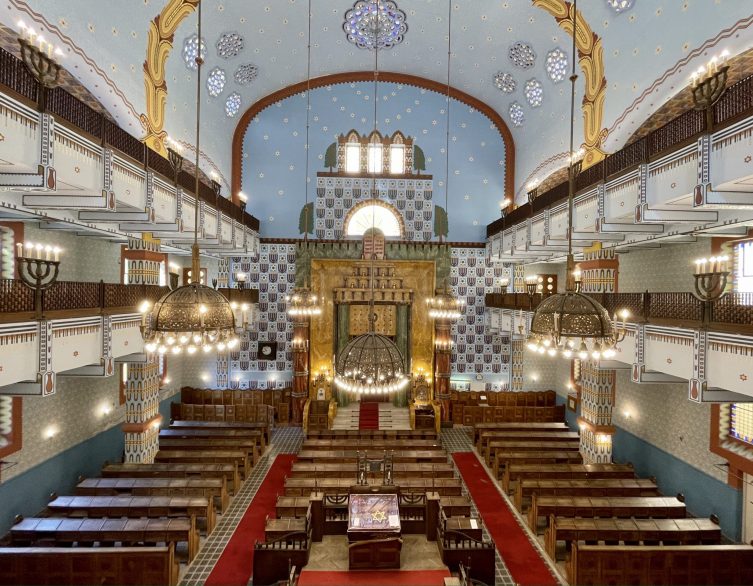
The Kazinczy Street Synagogue: The Center for the Orthodox Jewish Community
When visiting Budapest, one of the must-see attractions for foreign tourists is the Kazinczy Street Synagogue. This architectural marvel, built between...
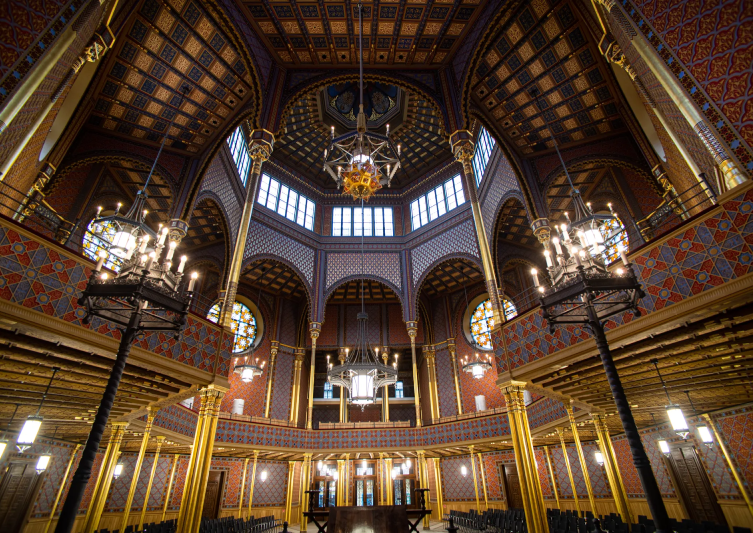
The Rumbach Street Synagogue: Discover The Restored Sacred Center
The Rumbach Street Synagogue, located in the heart of Budapest, is a stunning architectural masterpiece that showcases the genius of Austrian architect...
The Jewish Memorial Center: Honoring the Past in Budapest
Located in the heart of Budapest’s historic Jewish Quarter, the Jewish Memorial Center (Holokauszt Emlékközpont) stands as a powerful tribute...
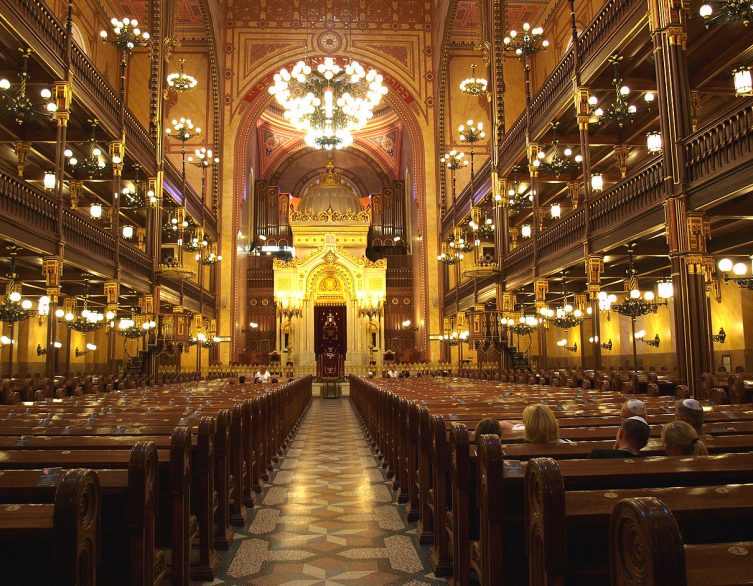
Dohány Street Synagogue: Budapest’s historic Jewish gem
The Dohány Street Synagogue, located in the heart of Pest, Budapest, stands as a monumental beacon of Jewish history and culture. Built in the 19th...