New Bus Rules on Gellért Hill: What Tourists Need to Know Before Visiting the Citadella
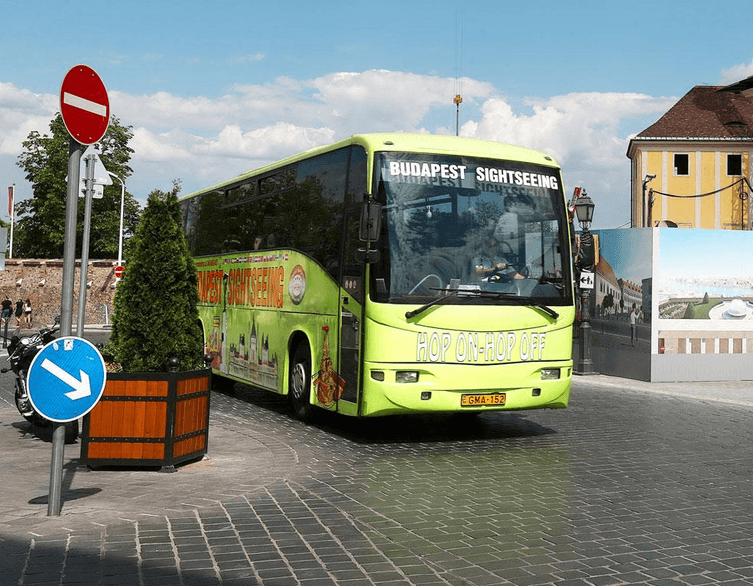
Budapest’s most dramatic hilltop is about to get a little more peaceful — and a lot more exciting. Gellért Hill, home to the newly renovated Citadella fortress and the iconic Liberty Statue, has introduced new bus access restrictions as of March 30, 2026, in a move designed to protect both the local community and the environment while keeping this beloved landmark accessible to visitors.
A New Era for an Iconic Hilltop
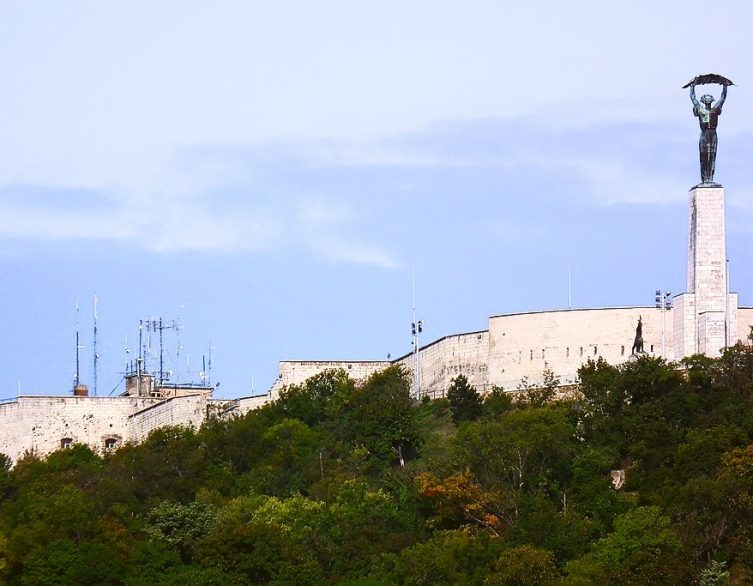
Rising 235 metres above the Danube, Gellért Hill has been part of Budapest’s skyline for centuries. The hill sits within a UNESCO World Heritage Site that also encompasses Buda Castle and Andrássy Avenue, and its sweeping 360-degree panorama over the city, the river, and its eight bridges draws visitors from all over the world. After more than a decade of waiting, the Citadella fortress at the summit has finally undergone a complete transformation — closed for 11 years and the subject of an approximately £46 million renovation, it is now set to reopen as a vibrant cultural destination blending history, green spaces, and modern design.
The original plan was for the Citadella to open on the last weekend of March, but strong winds forecast for that weekend pushed the opening back by one week. The new official opening dates are April 4–5, 2026. Once the gates swing open, visitors will find lush new terraces, a central park within the fortress walls, and a 1,700-square-metre multi-level exhibition called Bastion of Freedom, dedicated to Hungary’s long history of struggles for liberty. The Citadella bus parking lot is expected to be available from April 7 onward.
What Changed on March 30
Starting Monday, March 30, 2026, coach and tour buses are no longer allowed to drive freely on Gellért Hill. From that date, any bus — with the exception of regularly scheduled public transport lines — must carry a valid entry permit to access the area. This decision was reached through negotiations between the Budapest Metropolitan Municipality, the Budavár District Municipality, Hungary’s national tourism coordination body, and tourism industry stakeholders, all of whom agreed that unchecked bus traffic was placing excessive strain on the hill’s residents and natural environment.
The restricted zone is clearly defined: its boundaries run along Hegyalja Road, Alsóhegy Street, Villányi Road, Bartók Béla Road, and the St. Gellért Embankment. Buses may only enter through six specific junctions — Hegyalja Road at Sánc Street, Alsóhegy Street at Somlói Street, Villányi Road at Szüret Street, Bartók Béla Road at Ménesi Road, Bartók Béla Road at Kemenes Street, and the St. Gellért Embankment at Kelenhegyi Road. Entry from any street not on this list is completely prohibited, even with a valid permit.
Best deals of Budapest










How Tour Operators Can Get a Permit
If you are travelling to Gellért Hill as part of a group tour, your operator will need to apply for an entry permit through the TOBI system, run by Budapest Roads (Budapest Közút). Registration in the system is required in advance, and applications must be submitted at least two days before the intended visit. The permit covers a maximum of one day, and the planned visit date may not be more than 14 days after the date of submission.
There are fees involved: a one-time vehicle registration fee of 2,540 HUF (gross) applies to newly registered buses, and each individual permit costs an additional 2,540 HUF. Permits are valid for entry between 6:00 AM and 10:00 PM. Tour operators heading to the Citadella specifically should use either 36 Szirtes Road or 34 Szirtes Road (1016 Budapest) as the destination address when applying. It is worth noting that certain streets, such as Orom Street, carry an unconditional no-entry sign for buses with no permit exception whatsoever.
Why This Is Actually Good News for Visitors
While the new rules add a layer of logistics for group tour companies, the end result for individual travellers and small groups is overwhelmingly positive. Fewer buses on the hill means less traffic, less noise, and a more pleasant experience walking the winding paths up to the summit. The Budavár Municipality has also announced long-term plans to serve the Citadella with its own electric bus fleet, pointing toward a greener, quieter future for the hilltop.
For those not arriving by tour bus, the experience of getting up to Gellért Hill remains unchanged. You can hike up from the Gellért Hotel area or Elizabeth Bridge in around 15 to 20 minutes along well-maintained paved paths, or take the public Bus 27. Either way, arriving on foot is arguably the more rewarding option — the views open up gradually as you climb, and reaching the top of the Citadella walls feels all the more earned.
Planning Your Visit
With the Citadella reopening on April 4–5 and the dedicated bus parking opening on April 7, early April is shaping up to be a landmark moment for Budapest tourism. The fortress will be accessible from three sides for the first time — a significant improvement over the old single-entrance layout — making it easier to explore the grounds and enjoy the newly designed green spaces. Whether you are a history enthusiast drawn by the Bastion of Freedom exhibition, a photographer hunting the perfect Danube panorama, or simply someone who wants to stand above one of Europe’s most beautiful cities, Gellért Hill in spring 2026 is not to be missed.
Related news

Budapest’s Citadella Is Finally Back — And It’s Better Than Ever
There are moments in a city’s life when something long dormant suddenly wakes up and reminds everyone why it mattered in the first place. Budapest...
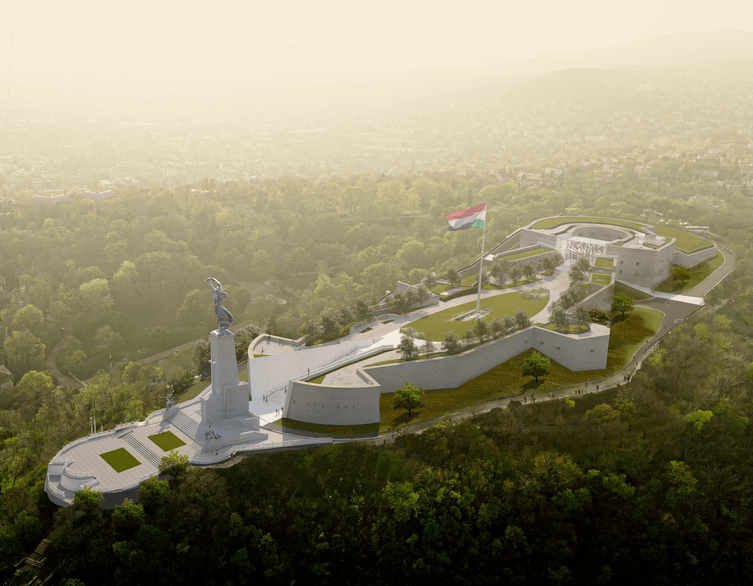
Citadella Reopens Soon: Electric Buses Transform Buda Tours in Budapest
Budapest’s Buda side is gearing up for smoother adventures with the Citadella reopening soon and eco-friendly buses replacing big tour coaches....
Budapest’s Citadella Returns: The Untold Story Behind 11 Years of Closure
One of Budapest’s most iconic yet mysterious landmarks is finally returning to the public after more than a decade in seclusion. The Citadella,...

The Tragic History Behind Budapest’s Iconic Statue of Liberty
As you explore the enchanting city of Budapest, you might come across a peculiar sight: the iconic Statue of Liberty, affectionately known by locals...
Related events
Related attractions
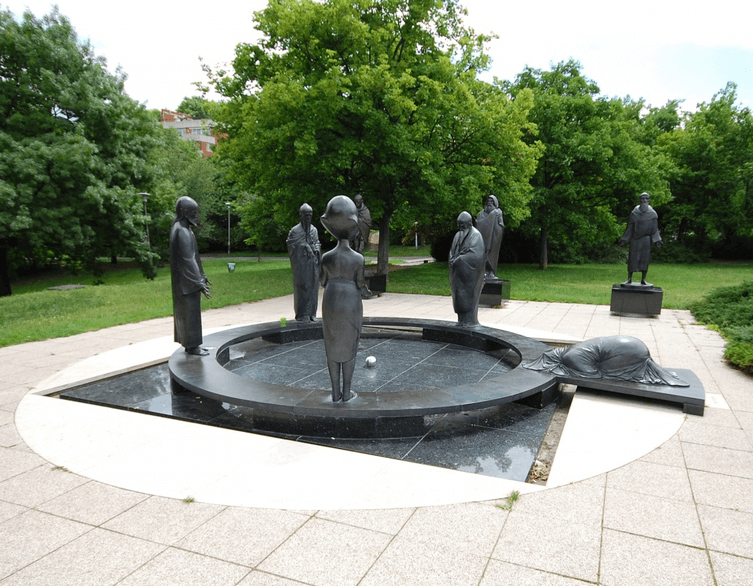
The Garden of Philosophers: Budapest’s Hidden Spiritual Sanctuary on Gellért Hill
Tucked away on the tranquil western slopes of Gellért Hill, the Garden of Philosophers (Hungarian: Filozófusok Kertje or Filozófiai Kert) stands...
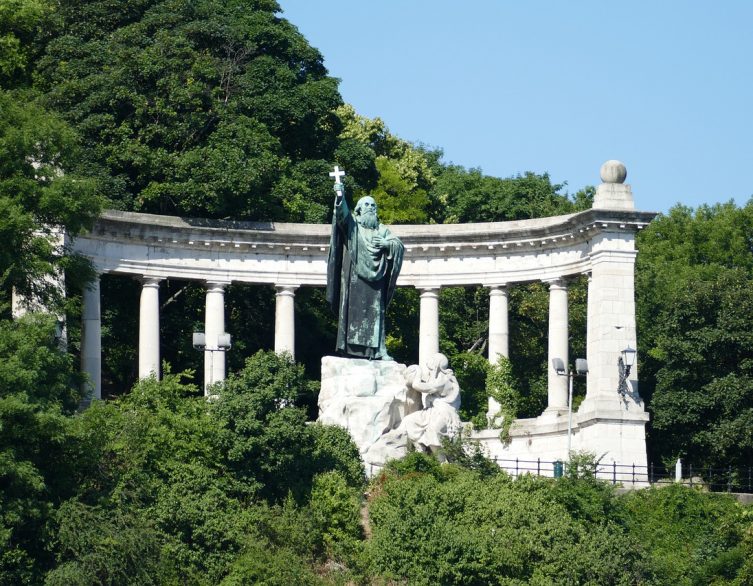
Gellért Hill: A Breathtaking Escape in the Heart of Budapest
Towering above the majestic Danube River, Gellért Hill stands as a captivating landmark in the historic city of Budapest. This iconic hill, rising...
Towering Over Budapest: Exploring the Historic Citadella
If you’re visiting Budapest and looking for a place that offers breathtaking panoramic views along with a fascinating glimpse into the city’s...