International Women’s Day in Budapest: A Complete Guide for Foreign Tourists
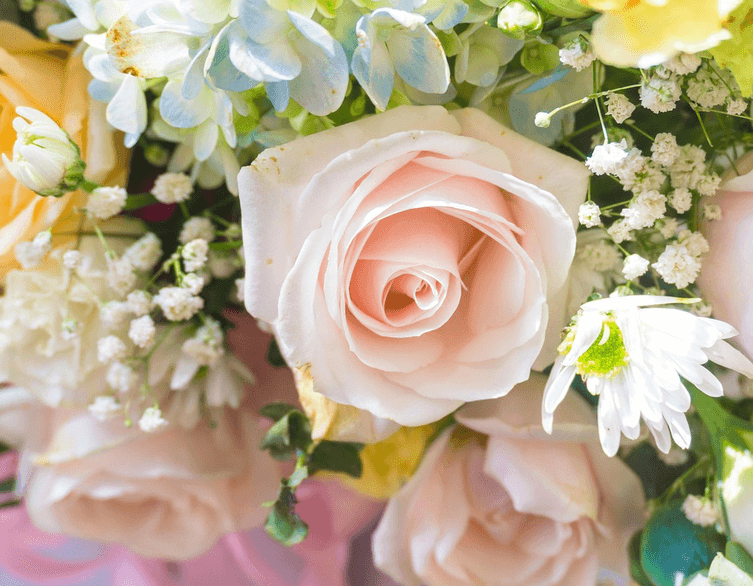
International Women’s Day is a deeply meaningful date in calendars around the world, and Budapest offers a special way for foreign visitors to experience it. Held every year on 8 March, the day celebrates women’s achievements while also shining a light on the ongoing struggle for equality and human rights. For tourists, this means more than just flowers and kind words: it opens the door to cultural evenings, themed walks, and warm local encounters that go beyond the usual sightseeing.
Whether you are visiting Budapest for a weekend or a longer stay, adjusting even part of your itinerary around International Women’s Day can turn a simple city break into something more memorable and socially engaging.
Why International Women’s Day Matters in Budapest
In Budapest, International Women’s Day is both a serious and a joyful occasion. It is a moment when people publicly recognise the contributions of women in families, workplaces, and society, and also reflect on how far gender equality in Hungary and Europe has come—and how far it still needs to go. For foreign visitors, this dual tone makes the day particularly interesting: you can experience touching everyday gestures while also learning about the city’s social and political culture.
On the streets and in cafés, you will often see small bouquets, sweets, and polite greetings being exchanged between colleagues, friends, and family members. At the same time, many organisations, cultural venues, and embassies host events that focus on women’s rights, leadership, and creativity. As a tourist, you can choose how deeply you want to engage: from simply enjoying the festive atmosphere to joining discussions and performances that explore women’s lives and work in contemporary Hungary.
A Short History to Understand the Day
To truly appreciate what International Women’s Day means in Budapest, it helps to know where the tradition comes from. The idea of a dedicated Women’s Day grew out of the early 20th‑century labour and suffrage movements, when women around the world organised marches and protests demanding fair pay, better working conditions, and the right to vote.
In 1910, at an international conference of working women in Copenhagen, a German activist named Clara Zetkin proposed a special “International Women’s Day” to rally women across countries and strengthen the global campaign for equality. The first official International Women’s Day was celebrated in 1911, with more than a million people taking part in rallies in cities like Vienna, Berlin, and Copenhagen. Over the following decades, the day became a symbol of solidarity among women’s movements, and later it was embraced by the United Nations as a global observance.
Today, when you walk through Budapest on 8 March, you are participating in a tradition that stretches back more than a century. Those flowers, speeches, and events are not just decorative; they are living reminders of how far women have come—and how much work still remains.
How Budapest Celebrates Women’s Day
In Hungary, International Women’s Day blends political meaning with everyday kindness. Government institutions, NGOs, and women’s organisations often hold conferences, roundtable discussions, film screenings, and exhibitions about women’s rights, gender equality, and social change. These events are sometimes open to the public and often attract a mix of locals, expats, and visitors, making them a great way to get a deeper understanding of Hungarian society.
Best deals of Budapest





At the same time, the day is marked by smaller, more personal gestures. In workplaces, it is common for men to bring flowers or small gifts to their female colleagues as a sign of appreciation. In schools, students may prepare cards or short performances for their female teachers. At home, families often organise special meals or small celebrations for mothers, grandmothers, and other important women in their lives.
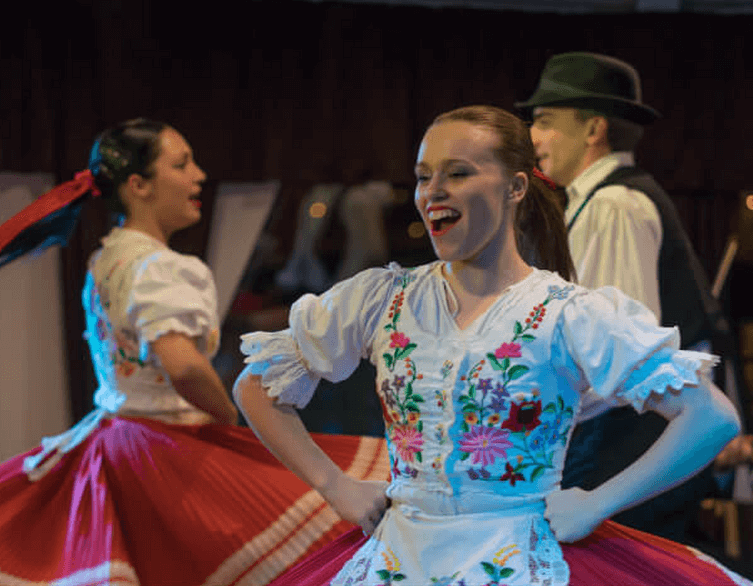
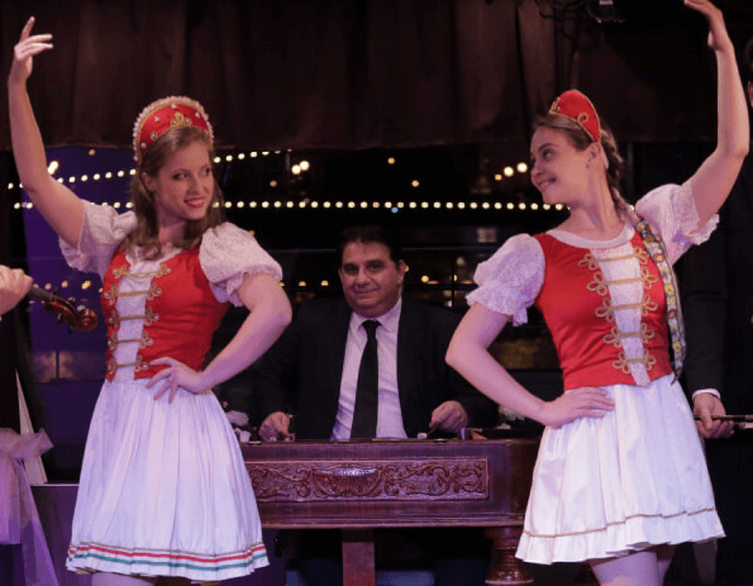
Budapest’s cultural scene plays a particularly important role in the celebrations. The city’s theatres, concert halls, and cultural institutes often curate special programmes around March 8, such as concerts of music by women composers, performances by female dancers, or exhibitions highlighting women’s contributions to art, science, and history. Many of these events are advertised as “International Women’s Day” or “Women in Culture” programmes and are a unique opportunity for visitors to enjoy high‑quality entertainment while also engaging with the spirit of the day.
Things to Do in Budapest Around March 8
If you are visiting Budapest around International Women’s Day, you can easily build part of your trip around themes of empowerment, culture, and relaxation. Here are several ideas you can adapt into your own itinerary.
Join a Cultural Evening Programme
Budapest’s concert halls, theatres, and cultural institutes often organise special events around International Women’s Day. You might find a classical concert focused on women composers, a theatre play about famous Hungarian or international women, or a film screening followed by a discussion with the director or a guest speaker. These evenings are usually open to the public and can be an excellent way to experience the city’s arts scene while also connecting with local audiences.
Before your trip, check the websites of the Liszt Academy, the Budapest Opera, embassies, and major cultural centres for any Women’s Day–related concerts, talks, or exhibitions. If you are unsure, ask at your hotel reception or at a tourist information point; they can often recommend the nearest programme and may even help you with tickets or directions.
Attend Talks, Workshops, and Networking Events
Women’s organisations, international networks, and professional groups sometimes organise talks, workshops, or networking evenings in Budapest around March 8. These events may focus on topics such as women in business, women in education, women in technology, or women’s leadership in Central Europe. Because such gatherings are often open, they can be a great way to meet local women professionals, expats, and students who share similar interests.
For a tourist, attending even one such event can transform a simple city break into a more meaningful experience. You can learn about Hungarian perspectives on gender and work, exchange ideas with people from different backgrounds, and receive personal recommendations for cafés, galleries, or neighbourhoods that you might not find in a typical guidebook.
Build a “Women of Budapest” Themed Walk
Budapest’s streets and monuments are filled with stories—not only of famous politicians and generals, but also of women who shaped the city’s history, culture, and everyday life. A great way to experience International Women’s Day is to create a walking tour that focuses on women’s legacy in the capital.
A good place to start is Margaret Island, a popular park named after Saint Margaret, a medieval nun and royal figure whose life and story have become part of Hungarian cultural memory. As you walk through the tree‑lined paths and by the Danube, you can reflect on how women’s roles have changed over the centuries, from religious figures and royal daughters to modern artists, scientists, and activists.
Continue into the city centre and look for street names, plaques, and statues that honour notable Hungarian women. Some streets are named after writers, educators, and feminists, and a few memorials are dedicated to women who played key roles in social movements and cultural life. You can treat this as a gentle puzzle: set yourself the goal of finding a certain number of women‑related sites and then reward yourself with a coffee or a meal at a café that either has a female owner or a reputation for supporting women‑led projects.
Treat Yourself to a Special Meal on Women’s Day
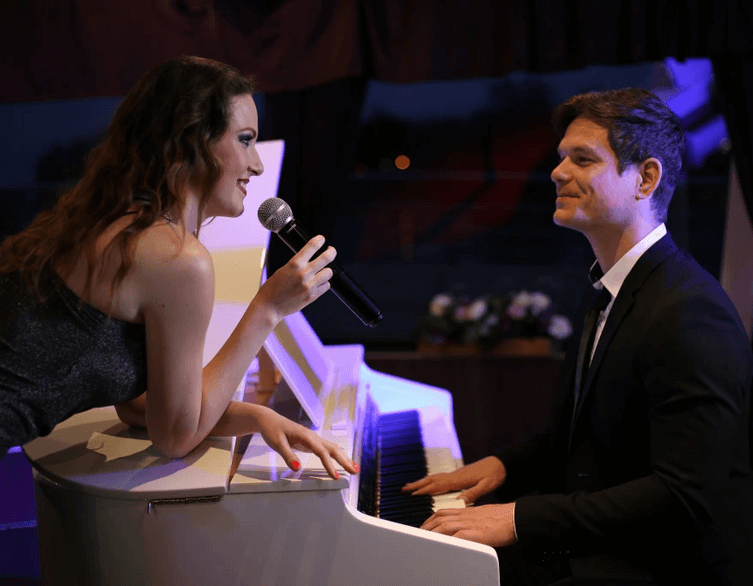
In Budapest, many restaurants and cafés mark International Women’s Day with special offers or themed menus. You might find a promotion where women receive a discount, a glass of wine on the house, or a dessert included in their meal. Some venues also organise small ceremonies or live music that give the evening a celebratory atmosphere.
Choosing a Women’s Day dinner in Budapest can be both a culinary and a social experience. Classic Hungarian dishes such as goulash, paprika chicken, or stuffed cabbage can be enjoyed in cosy, candlelit settings, while the atmosphere will often feel warmer and more personal because the day naturally encourages people to show appreciation.
If you are travelling with friends, you can turn this into a “ladies’ night” style outing, picking a place known for its relaxed vibe and friendly service. If you are travelling solo, a well‑chosen restaurant can still offer a sense of occasion, especially if you talk briefly with the staff or observe how locals are celebrating the day among themselves.
Turn March 8 into a Relaxing “Women’s Weekend”
Budapest’s reputation for wellness and relaxation makes it a perfect city for extending a single Women’s Day visit into a longer “women’s weekend” theme. The city’s thermal baths are world‑famous, and many of them offer special offers or packages around International Women’s Day or during March.
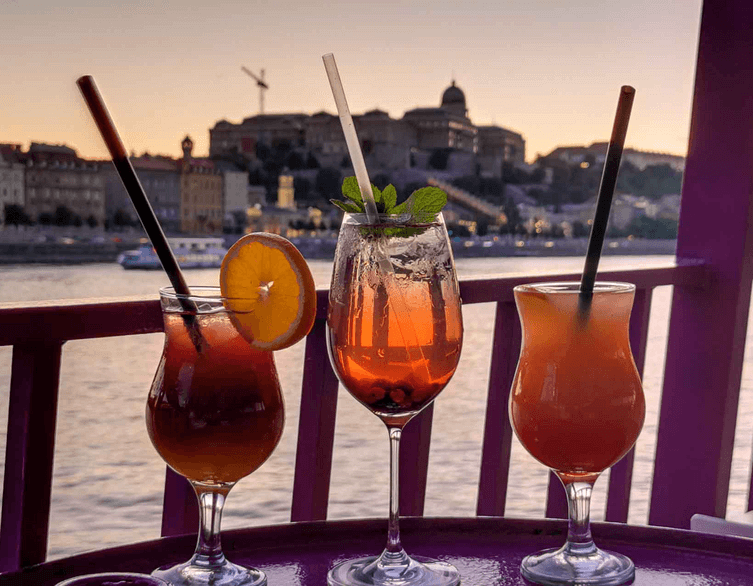
Imagine a morning at a grand historic bath, followed by a slow lunch at a café with a view of the Danube, then a visit to a small gallery or museum that highlights women artists. Finish your day with a spa treatment or a quiet hour in a rooftop bar, watching the city lights reflected in the river. This kind of itinerary celebrates self‑care, friendship, and the simple pleasure of taking time for yourself—values that are very much in line with the spirit of International Women’s Day.
A Sample One‑Day Women’s Day Itinerary
If you want to experience International Women’s Day in a structured way, here is a ready‑to‑adapt one‑day itinerary you can use in Budapest.
Morning: A Walk Reflecting on Women’s History
Begin your day on Margaret Island, enjoying the fresh air and the peaceful atmosphere along the Danube. As you walk, imagine how women across generations might have experienced the island—whether as a place of retreat, a setting for family outings, or a quiet corner for reflection.
Leave the island and head towards the city centre. Stop at a traditional Hungarian café for breakfast or a strong coffee and a slice of cake. Choose a café with a warm, relaxed atmosphere where you can take a few minutes to read about the day’s history or simply people‑watch as the city wakes up.
Afternoon: Culture, Art, and Women’s Stories
In the afternoon, visit a museum or gallery that features works by Hungarian women artists or exhibitions about women’s rights and social change. Look for guided tours in English, as many venues offer them on weekends or by request. The guides can help you understand the historical and cultural context of what you are seeing and may even share personal stories about how women’s lives have changed in Hungary.
If there is a Women’s Day–related talk or discussion scheduled, try to fit it into your afternoon schedule. You can also take some time to wander through neighbourhoods that are known for their creative energy, such as the palaces around Andrássy Avenue or the streets around the Jewish Quarter, and look for small shops or markets that support local women entrepreneurs.
Evening: Celebration and Connection
End your Women’s Day programme with an evening that feels festive and meaningful. Attend a cultural event such as a concert, a reading, or a discussion evening that is connected to the theme of women’s rights or women’s creativity. If you feel comfortable, you can talk to a few people after the event and ask them why they came, what they hope to see change, or how they personally celebrate March 8.
If you prefer a quieter evening, choose a relaxed dinner at a restaurant that supports women in the hospitality industry—whether that means a place run by a female chef, a restaurant known for its inclusive work environment, or a neighbourhood bistro that has become a local favourite. Enjoy the food slowly, and let the day’s impressions settle in: the walks, the conversations, the music, and the quiet moments along the Danube.
Making the Most of Your Visit as a Tourist
For a foreign visitor, International Women’s Day in Budapest is an invitation to look beyond the usual postcard sights. It is a chance to see how a European capital honours women’s contributions, both in its public spaces and in its private moments. You do not need to speak Hungarian to feel included; many events have English materials or volunteers who can help, and the simple act of bringing a small flower or a kind word to a host, a guide, or even a waitress can echo the spirit of the day.
If you are planning your trip, consider arriving a day or two before March 8 so that you have time to adjust to the city and can then choose the Women’s Day activities that suit you best. Whether you prefer a busy evening packed with events or a quiet day of cafés, walks, and spas, Budapest can accommodate your style while still letting you participate in the wider celebration.
Related news
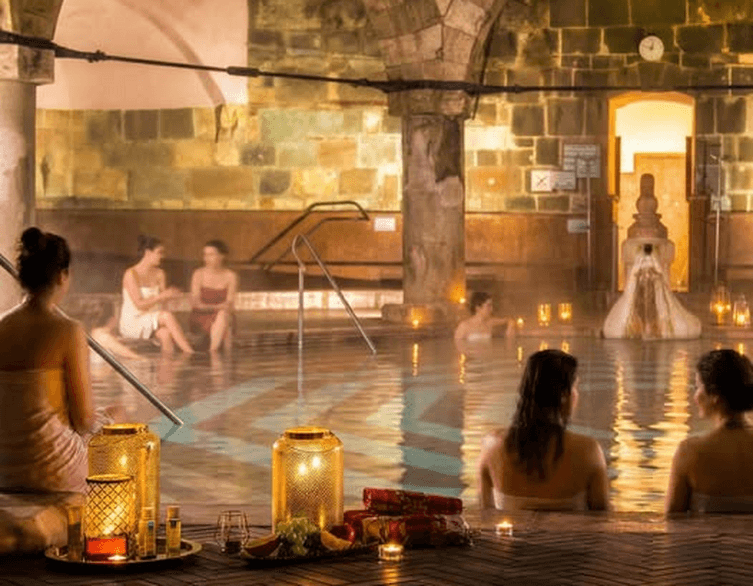
Celebrate Women’s Day with a Gift of Relaxation at the Rudas Baths
Budapest, a city famed for its thermal waters and centuries-old spa culture, holds treasures waiting to be explored — and few are as iconic as...

Budapest’s Best Vegetarian & Vegan Eats: A Food Lover’s Guide for 2026
If you’ve ever imagined Budapest as a city of rich goulash, chimney cakes, and heavy meat dishes, think again. In recent years, the Hungarian capital...

Budapest Crowned Europe’s Most Authentic Food Destination: Why the Hungarian Capital Beat Rome, Paris, and Barcelona
When travelers dream of Europe’s finest culinary destinations, their minds typically wander to Italy’s pasta perfection, France’s...

Time Out Market Budapest Opens September 2025: Your Complete Guide to Prices, Food & Location
Time Out Market Budapest is set to open its doors on September 20, 2025, bringing an internationally acclaimed food hall concept to the heart of...
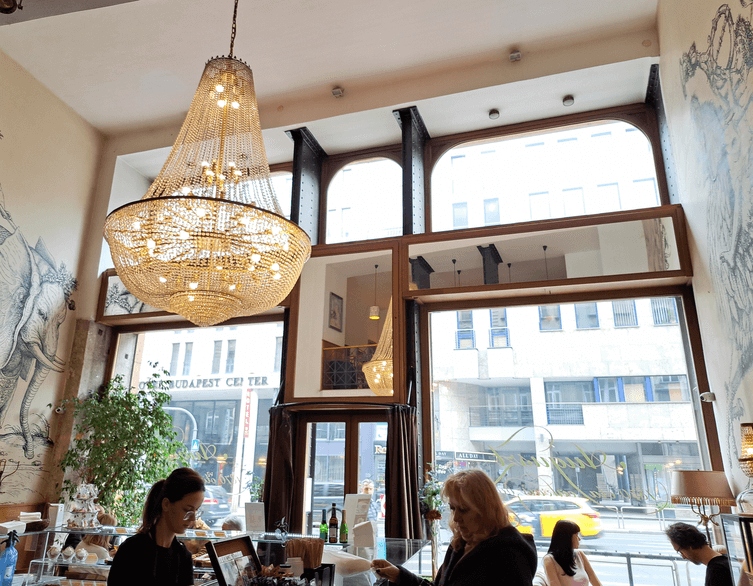
A Sweet Legacy: The Auguszt Confectionery Dynasty in Budapest
In the heart of Budapest, a confectionery legacy spanning five generations continues to delight locals and tourists alike. The...

The Legendary Gerbeaud: A Sweet Journey Through Time
One of life’s most beautiful and exciting tasks is to preserve and even enhance a valuable treasure. Gerbeaud is certainly one of Budapest’s...
Related events
Related attractions
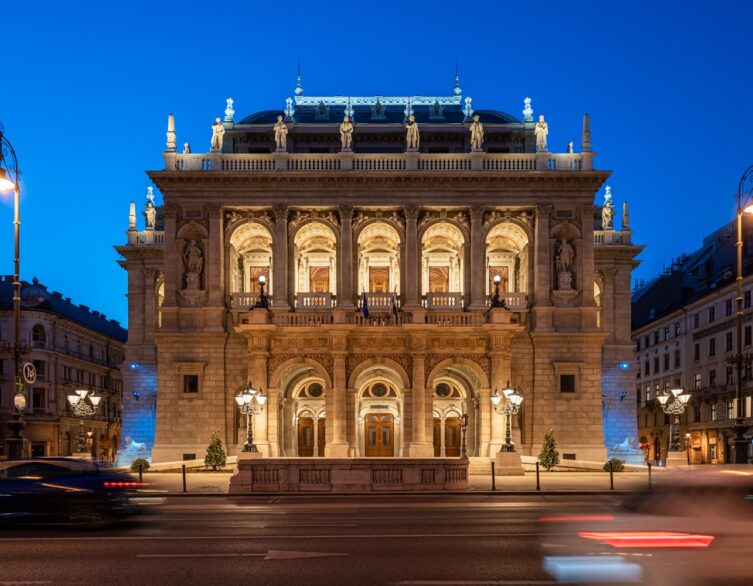
The Hungarian State Opera House: A Cultural Gem in the Heart of Budapest
The Hungarian State Opera House, located on the iconic Andrássy Avenue in central Budapest, is a magnificent neo-Renaissance building that has been...
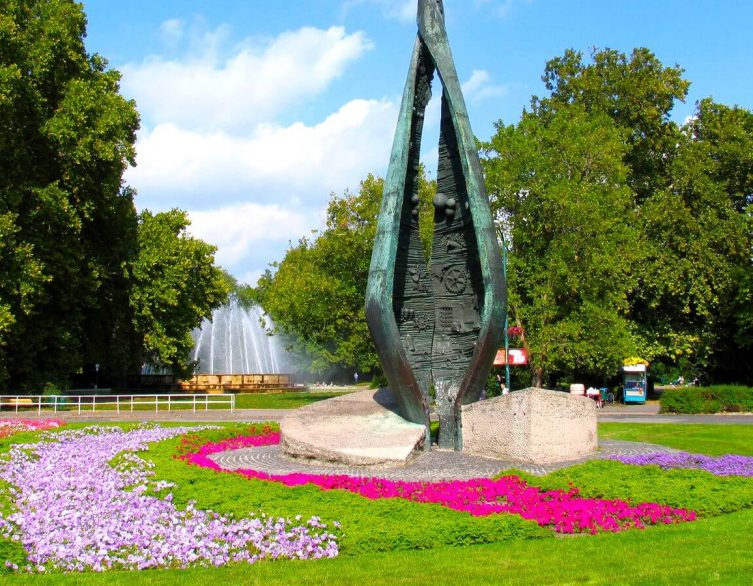
Margaret Island: Budapest’s Green Oasis on the Danube
Nestled in the heart of the Danube River, Margaret Island (Margitsziget) offers a tranquil escape from the bustling city life of Budapest, Hungary....