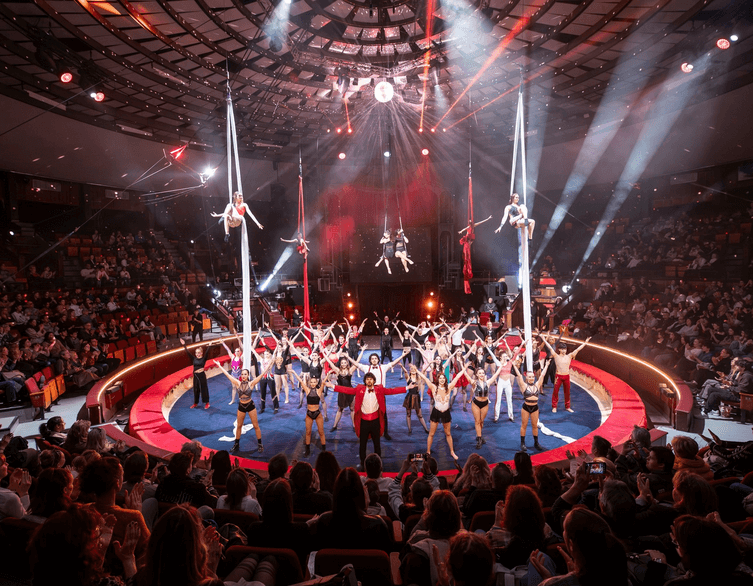
From Discipline to Dialogue: How the Circus Evolved Through Time
When you sit beneath the grand dome of the Capital Circus of Budapest and watch a performer soar through the air or guide a horse in perfect synchronization, you’re watching more than a show — you’re witnessing centuries of human imagination, discipline, and shifting ideas about beauty and power. The circus may seem timeless, but like the societies that created it, it has changed dramatically. Its story mirrors how humanity has learned not only to command but also to connect — first with the body, then with nature, and ultimately with emotion itself.
The Age of Discipline: The Birth of Modern Circus
The origins of the modern circus reach back to the late 18th century, when Philip Astley, an English cavalry officer, began performing daring equestrian acts in London. Astley’s military background shaped his shows: order, precision, and discipline defined every movement. For audiences of the time, this represented beauty — the beauty of control, of a human body that obeyed the will with almost machine-like perfection.
From its earliest days, the circus was the stage of the “disciplined body.” Performers didn’t play characters as in theatre; instead, they presented themselves — the trained, capable human being at the peak of physical mastery. Whether acrobats, jugglers, or animal trainers, their art celebrated the balance between strength and obedience, motion and mindfulness, transforming discipline into poetry.
The ring, or manège, became a metaphor for the relationship between order and freedom. Within its perfect circle, chaos could exist only if ruled by rhythm and control. Beauty, in this world, was not illusion — it was the visible harmony of body and power.
The Beast Within: Command, Connection, and the Rise of Animal Performance
In the 19th century, a new spectacle took center stage — the animal act. For the first audiences of this era, watching lions, elephants, or horses obey human command symbolized man’s mastery over nature. The trainer’s whip, posture, and tone became emblems of authority, turning the circus into a living parable of civilization’s triumph over instinct.
Yet as the century progressed, science began to reshape perception. When Charles Darwin published On the Origin of Species in 1859, he blurred the boundaries between human and animal. Suddenly the creatures in the ring were no longer seen as mere beasts; they became mirrors, fellow participants in evolution, capable of emotion and understanding.
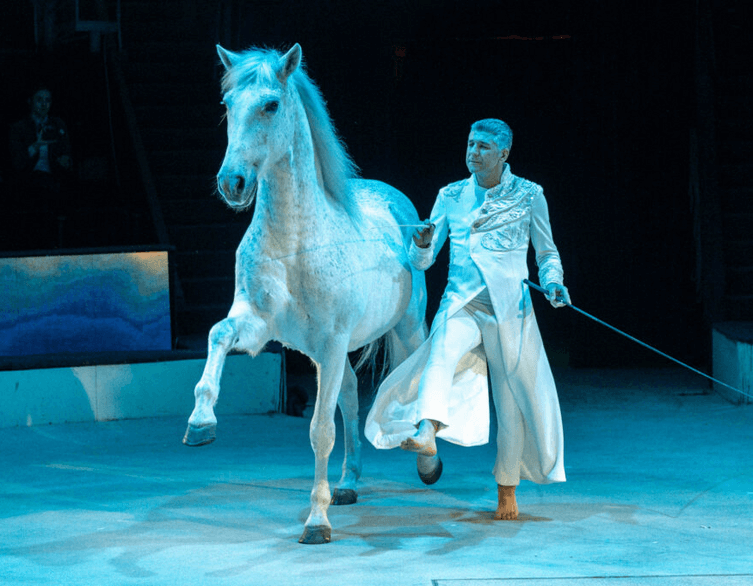
With this change, the circus act took on a new layer of beauty. The animal’s movements — once simple obedience — now appeared almost collaborative. The audience watched a relationship unfold: gestures echoed each other, glances met, and motion became dialogue. It was this tension — between resistance and harmony — that gave animal performance its mesmerizing power.
Best deals of Budapest




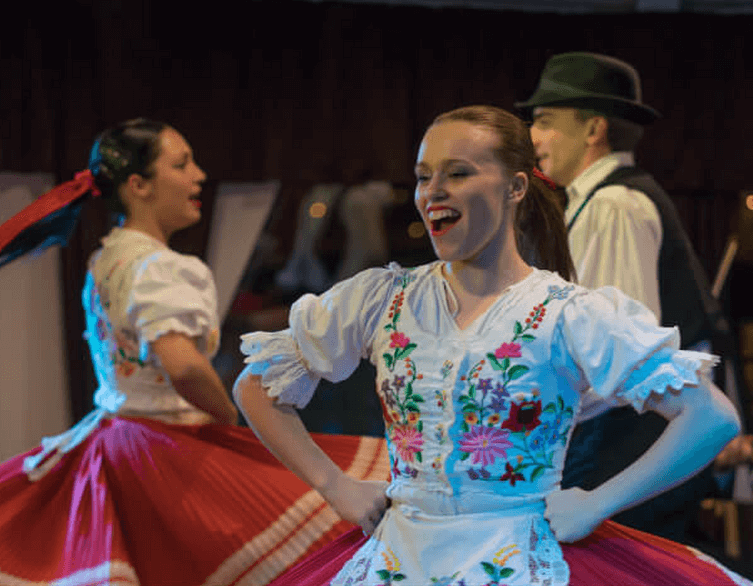
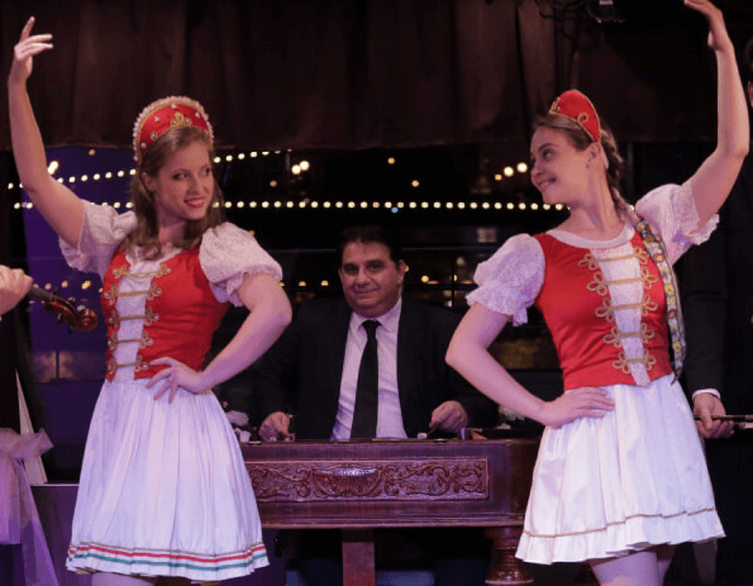





At Budapest’s Capital Circus, this dialogue has long been central to performance. In the legendary Dynasties show, for example, the Ádám family’s horseback acrobatics intertwined precision and empathy, showing not domination, but synchronization. In the graceful acts of Richter Angelina, horses galloped in unison with her movements, turning strength into music. The stage became a space where human and animal bodies spoke the same language.
Beyond Power: The Circus as a Reflection of Humanity
Over time, circuses around the world — including Budapest’s — began to evolve beyond the display of physical or animal control. The focus shifted toward expression, narrative, and emotion, recognizing performance as a reflection of the human condition rather than domination over it.
Even within traditional acts, subtle transformations occurred. In free dressage scenes, audiences sensed not submission but play; comedians and illusionists turned command into collaboration, humorously exploring equality between performer and partner. The modern viewer no longer admired raw authority — instead, they sought the beauty of balance, the visible harmony between will and compassion.
This change corresponded to broader shifts in culture: as societies became more aware of ethical questions around animal welfare and artistic integrity, circuses reinvented themselves. Some eliminated animals altogether, focusing on human artistry; others, like Budapest’s Capital Circus, embraced innovation grounded in tradition, blending history with modern performance philosophy.
Today’s Circus: Emotion, Story, and the Art of Connection
Walk into a modern performance in Budapest and you’ll see how far the art form has come. Shows like the Lyrical Circus Late-Night series or the evolved animal-free productions tell stories not through words but through motion, light, and music. Bodies are still disciplined, but discipline now serves emotion — flight, balance, and stillness express inner worlds rather than external power.
The performer, once a symbol of authority, has become a symbol of sensitivity, creativity, and collaboration. Even when animals appear on stage today, they do so as partners, their training a testament to understanding and mutual respect. The spectacle has transformed into something profoundly human: a place where body and soul, strength and gentleness, meet under the glow of the spotlight.
The Eternal Circle
From Astley’s military maneuvers to today’s poetic acrobatics, the circus has remained the most physical, immediate, and human of art forms. It invites the audience not just to see but to feel — to experience beauty through motion, tension, release, and empathy. In every leap, every perfectly timed gesture, we glimpse the story of civilization itself: from controlling nature to learning to live in harmony with it.
In Budapest, the Capital Circus continues to embody this evolution. Beneath its shining glass dome, past and present coexist in a single circle — the eternal manège — where art, discipline, and emotion fuse into one unbroken performance.
Related events
Related attractions