Discover Budapest’s Green Heart: 10 Million Trees and a New Kind of City Break
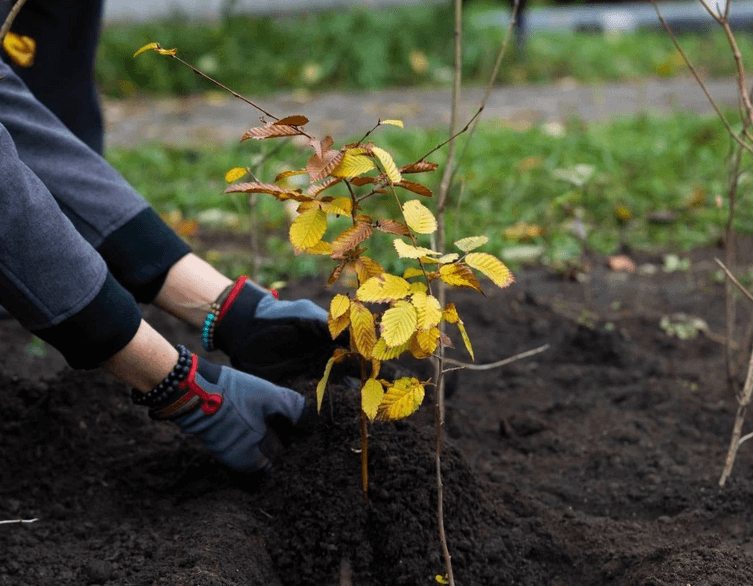
When most people think of Budapest, they picture thermal baths, ruin bars, and the Danube’s glittering panorama. But if you are a traveler who also cares deeply about nature and climate, there is a quieter, greener story unfolding in the city – one you can still explore and celebrate, even after the recent National Tree Planting Day that made headlines nationwide.
At the center of this story stands the 10 Million Trees Foundation (10 millió Fa Alapítvány), a nationwide community movement with a bold, almost disarmingly simple mission: plant at least one tree for every person living in Hungary and treat each of those trees not as decoration, but as real climate infrastructure. This idea is changing how Hungarians talk about nature, cities, and the future, and as a foreign visitor you are warmly invited to discover its lasting impact.
From Garden Decoration to Climate Infrastructure
The foundation’s mantra is clear and powerful: a tree is not a gardening gesture, a tree is climate infrastructure. This sentence might sound poetic at first, but in Budapest’s increasingly hot summers it is also basic survival logic. Trees help the soil retain precious water, they cool overheated asphalt and concrete, and they soften the “urban heat island” effect that makes city streets feel like an oven on July afternoons.
In Hungary, environmental decisions have often been pushed behind economic priorities, especially around big developments and infrastructure projects. The 10 Million Trees initiative pushes back against this mindset by insisting that nature policy must come first, guiding economic choices rather than quietly adapting to them. Their position is straightforward: the country’s livability, including Budapest’s comfort as a city break destination, depends on healthy soils, functioning forests, and enough shade in our streets and schoolyards.
To make this shift real, the foundation presented the “Népliget Manifesto” in Budapest’s Népliget, or People’s Park, on the National Tree Planting Day just two days ago. It calls for dedicated green-infrastructure funding in the national budget, mandatory public environmental impact assessments for large investments, and strict minimum rules for urban trees and shading. It also proposes treating forests explicitly as climate infrastructure, with independent ecological audits of state forestry.
For a traveler, this all might sound very political, but on the ground it translates into something much more tangible: more trees along your walking routes, cooler playgrounds and squares, and a city that is actively preparing to stay livable in a warming climate.
National Tree Planting Day: A Massive Success Nationwide and in Budapest
The second annual National Tree Planting Day on March 1, 2026, was a resounding triumph, building on last year’s record of nearly 100,000 trees planted by 13,000 volunteers across 320 sites. This year, organizers aimed to surpass those numbers with over 250 locations, 150 partner organizations, and thousands of participants planting even more trees from the weekend’s kickoff through the main day.
Budapest shone especially bright, with multiple planting actions in spots like Farkas-erdő and the XVth district, alongside the flagship event in Népliget that drew families, celebrities, and officials for speeches, tree planting, and community games. The day’s energy spilled over into a nationwide wave of action, from massive oak forests in Zala county to biodiversity plots in smaller towns, proving Hungary’s appetite for greening.
Even now that the event has passed, you can still feel its momentum by visiting Népliget, Budapest’s largest public park spanning over 110 hectares in the southeast of Pest. Freshly planted saplings dot the grounds, and the park’s wide lawns and shaded avenues offer a perfect spot to reflect on this green milestone.
Plant a Tree with Locals – And Sometimes with Stars
One of the most charming aspects of the 10 Million Trees initiative is how it blends grassroots activism with pop culture. Over the years, the foundation has teamed up with schools, comedy clubs, city institutions, and even international organizations such as One Tree Planted to turn tree planting into a genuinely social event.
The 2026 Népliget event continued this tradition, with Hungarian celebrities joining volunteers to plant trees in a festive atmosphere complete with kids’ activities, food stalls, and nature workshops. Though the shovels are down for now, the shared spirit lingers, inviting visitors to connect with locals over stories of the day’s successes.
Best deals of Budapest












Mini Forests in the City: Discovering Miyawaki Woods in Budapest
Beyond one-day events, the 10 Million Trees Foundation is reshaping Budapest’s urban landscape through Miyawaki mini forests. These are tiny, dense, native forests planted on small urban plots using a Japanese method that encourages extremely fast growth and high biodiversity.
In Budapest you can already find several of these “pocket forests,” often squeezed between busy roads or next to tram stops. A striking example stands at Boráros tér, a major transportation hub on the Pest side of the Danube. Here, a Miyawaki forest featuring over 200 native and resilient tree and shrub species now creates a cool, leafy buffer between traffic and pedestrians, filtering polluted air and offering a surprisingly immersive green corner only a few steps from the river promenade.
The foundation supported the planting of the country’s largest Miyawaki forest yet on Csepel island in southern Budapest, covering at least 300 square meters – a project fueled by the recent day’s momentum. If you enjoy exploring beyond the classic sights, visiting one of these Miyawaki patches can be an inspiring detour, where you can see the tangible results of community-driven climate action.
How Schools, Towns and Companies Are Joining the Green Turn
The scale of the movement is clear from the numbers behind the 2026 preparations: over 250 project proposals poured in, from 133 municipalities, 59 organizations, and 75 schools, totaling around 400 million forints in greening plans. For the foundation’s leader, urbanist and activist Iván András Bojár, this enthusiasm confirmed Hungary’s readiness for a green transition.
Over the years, the foundation has launched special programs for schools under banners such as “More trees for schools,” encouraging pupils and teachers to design and look after their own planting projects on school grounds. Every eighth-grade and graduating high-school student is envisioned as having a tree planted and cared for in their town as a living symbol of their passage into a new life stage.
Companies, both Hungarian and international, played a key role again, with long-term partners including Zwack Unicum, Henkel, banks like K&H and Erste, and green mobility firms such as GreenGo sponsoring projects and mini forests across Budapest districts. Their involvement multiplied the day’s impact, turning ambitious plans into reality.
Free Saplings and a Map of Greener Budapest
National Tree Planting Day empowers households too, with maps of discount garden centers and free sapling distributions doubling to 40,000 forestry seedlings at 40 sites nationwide. Recipients receive care instructions, turning thousands of gardens into ongoing climate projects. The recent success means even more such trees are now rooting across Hungary, including Budapest backyards.
This approach reflects a deeper belief: caring for trees is an ongoing relationship, not a one-day ceremony. It takes years for a sapling to become a solid, shade-giving tree, and that slow growth mirrors the long view needed to respond to climate change.
Why This Matters for Your Budapest Trip
All of this raises a simple question: why should a tourist care? The answer is that climate-conscious travel is no longer just about offsetting flights or choosing a hotel with a green label. It is about noticing and supporting the local efforts that make cities resilient, comfortable, and beautiful in a changing climate – efforts like the triumphant Tree Planting Day.
In Budapest, that can mean choosing to spend time in parks like Népliget, walking through the cool shelter of its tree-lined paths and recognizing it as a living piece of climate infrastructure shaped by citizens. It can mean seeking out a Miyawaki mini forest near Boráros tér or on Csepel, pausing there as trams rush by, and realizing how much difference a few hundred square meters of dense greenery can make.
A City That Plants for the Future
Budapest is famous for honoring its past, with its grand architecture and carefully preserved traditions. But through the work of the 10 Million Trees Foundation and its countless partners – capped by the recent nationwide planting success – it is also planting for the future: one sapling in a schoolyard, one mini forest on an island, one shady avenue in Népliget at a time.
As a foreign visitor, you are not just a spectator in this story. Whether you explore the city’s growing network of urban forests, chat with locals about the event’s triumphs, or simply spend more time in its parks and green spaces, you contribute to a new image of Budapest: a European capital that treats trees as essential climate infrastructure and welcomes the world to witness their growth.
Related news
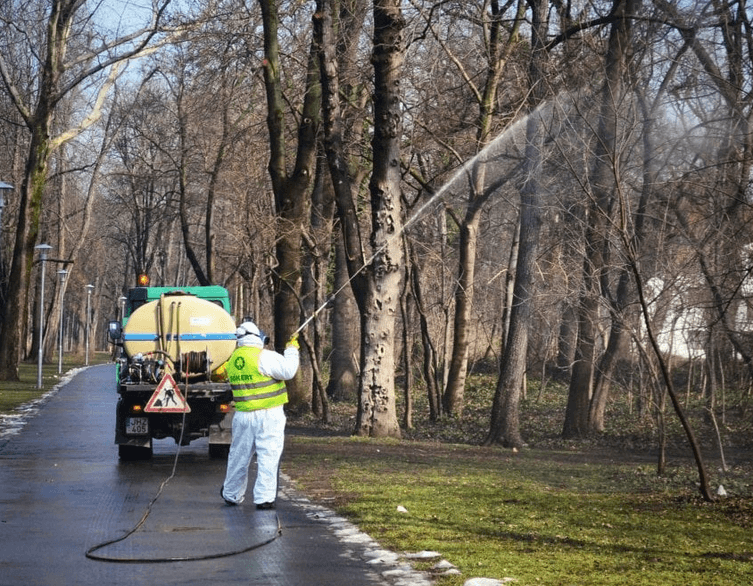
Budapest’s Trees Get Spring-Ready – What Tourists Should Know About the Annual Spray
Picture this: you’re wandering through the leafy embrace of Margaret Island or admiring the grand facades along Andrássy Avenue, when suddenly...

Budapest Wrapped 2025: A Year the City Outdid Itself
If cities had Spotify accounts, Budapest Wrapped 2025 would be the playlist everyone’s talking about. Forget your top artists or guilty-pleasure...

Budapest Goes Green: Sustainable Tourism Takes Center Stage in 2026
Budapest has become a magnet for international travelers, with its stunning architecture, thermal baths, and vibrant ruin bar scene drawing millions...
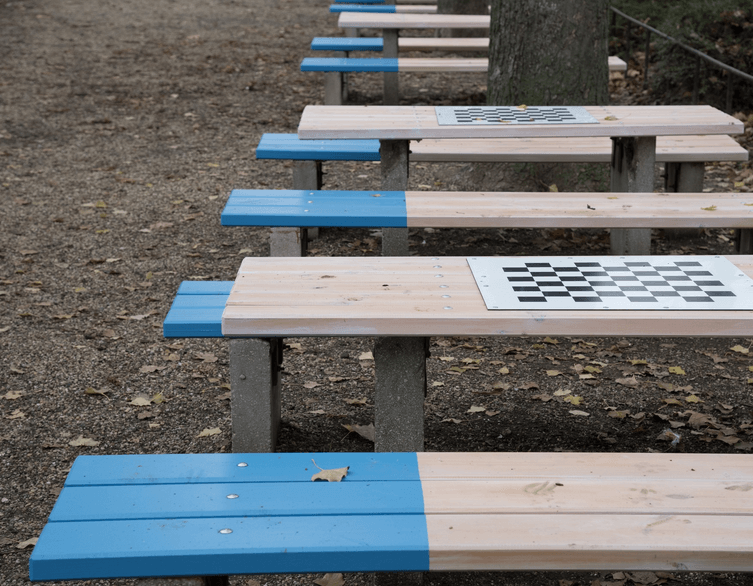
Városmajor Park Revival: Budapest’s Green Oasis Gets a Fresh Glow-Up
Budapest’s Városmajor Park is quietly getting a glow-up, and if you’re wandering the city as a tourist, this hidden gem in the hills...

Budapest Wins Global Recognition for Its Green Future
When you explore Budapest’s thermal baths, historic neighborhoods, and vibrant cultural scene, you’re experiencing a city that’s...
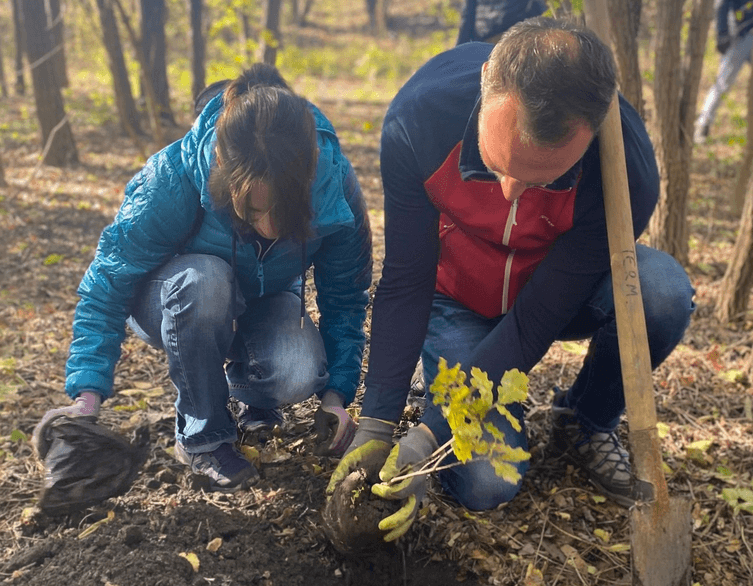
First National Tree-Planting Day in Budapest: Working Together for Climate Resilience
Budapest recently celebrated its first National Tree-Planting Day, a nationwide initiative spearheaded by the 10 Million Trees Foundation to combat...
Budapest’s Green Revolution: A Path to Climate Neutrality
In the heart of Hungary, Budapest is embarking on an ambitious journey towards a greener, more sustainable future. As part of the European Union’s...
Climate Strategy to Combat Increasing Heat Waves in Budapest
Budapest, the capital city of Hungary, is facing a growing challenge from the impacts of climate change. The city’s dense urban fabric, geographical...