Budapest Embraces Science as a Science-Friendly City in 2026
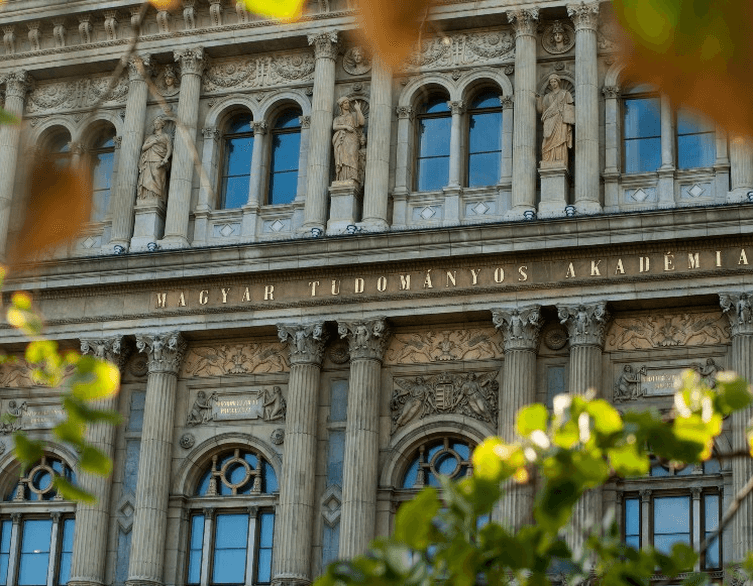
Budapest has officially joined the Hungarian Academy of Sciences’ (MTA) TUBA Science-Friendly City Movement following a City Hall decision on February 25, 2026, aligning with the MTA’s 200th anniversary and the designated Year of Hungarian Science spanning 2025-2026. This commitment positions the city to integrate scientific principles more deeply into public life, offering visitors enhanced opportunities to explore knowledge-driven institutions and initiatives during their stay.
Background on Budapest’s Commitment to Science
The TUBA movement, initiated by the MTA on August 20, 2025, encourages municipalities to promote scientific values, support talent development, and preserve the legacies of notable scientists. Budapest’s participation underscores its dedication to making science accessible through institutions under municipal oversight. These efforts coincide with significant milestones: the MTA’s founding in 1825 and its library’s bicentennial in 2026, prompting nationwide events including international conferences and public programs. For tourists, this translates to a structured framework for engaging with Hungary’s scientific heritage amid the city’s historic architecture and cultural landmarks.
The initiative emphasizes sustainability, urban planning, and education, reflecting collaborations with universities such as BME, BCE, ELTE, and research centers like the HUN-REN Energy Research Institute.
Key City Institutions Promoting Scientific Engagement
The Budapest History Museum serves as a research hub, employing modern museology to present the city’s past through detailed exhibitions, archaeological findings, and digital interpretations. It also maintains public monuments honoring scientists, ensuring their contributions remain visible in urban spaces.
Budapest City Archives functions as both a repository and educational center, providing access to historical documents via guided programs and digital tools that facilitate research into topics like 19th-century urban development or notable figures.
Best deals of Budapest











The Fővárosi Szabó Ervin Library network, with over 80 branches, offers extensive resources for general knowledge, professional study, and leisure, including virtual access to international materials and workshops on contemporary issues.
Budapest Zoo & Botanical Garden operates as a center for biodiversity research and environmental education, featuring programs on species conservation, animal behavior, and ecological sustainability relevant to urban ecosystems.
Focus on Talent Development and Sustainability
Municipal efforts include annual scholarships for young talents and awards recognizing scientific achievements that advance city goals. Sustainability initiatives incorporate climate science and urban studies, such as green infrastructure projects that mitigate urban heat and improve air quality through data-driven designs. Tourists can participate in related activities, including public lectures, citizen science projects, and exhibits tied to the MTA anniversary, such as the anticipated Night of Museums event in June 2026 with extended scientific programming.
These measures aim to embed scientific methods into daily operations, from park management to public health campaigns.
Practical Ways for Tourists to Experience Science in Budapest
Visitors can access these institutions via efficient public transport, with many offering English-language materials and free entry days. Upcoming 2026 highlights include MTA bicentennial events at the Academy’s riverside building, featuring lectures, exhibitions, and family workshops. Combine a museum visit with nearby attractions like the Danube promenade or City Park, where the zoo resides. For deeper immersion, check the MTA website or Budapest tourism portals for calendars of science walks, lab tours, and sustainability demos. This integration enhances the standard itinerary, providing substantive insights into Budapest’s role in European science.
Related news

What’s On: Budapest’s Space Mania
Hey space lovers landing in Budapest, forget the usual thermal bath selfies—our city’s gone full rocket mode in 2026! Whether you’re...

Discover the Magic of Budapest’s Palatial Library and Its New Digital Wonderland
Budapest is a city that loves to surprise you. Just when you think you’ve explored all its grand boulevards, thermal baths, and ruin bars, it offers...
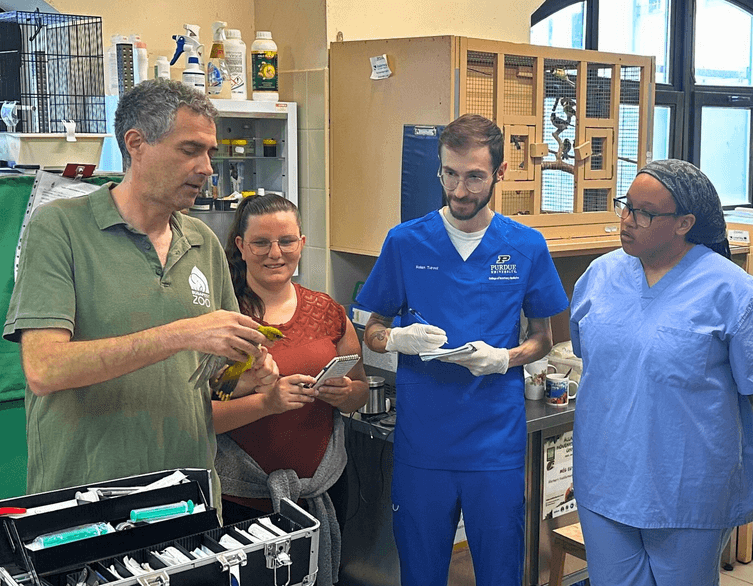
How Budapest Zoo Advances Science (And Why You Should Care)
Every November 3rd, Hungary celebrates the Day of Hungarian Science, marking the anniversary of when Count István Széchenyi—known as “the...
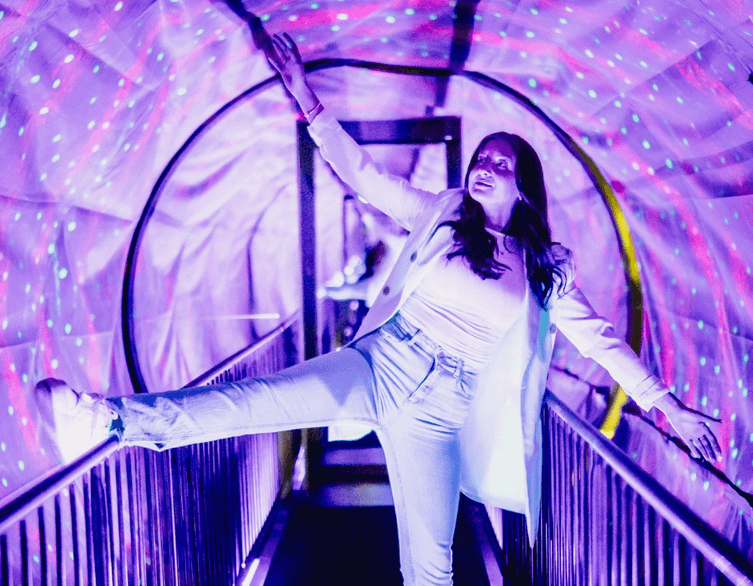
Budapest’s Most Fun and Mind-Bending Attractions: A Playful Travel Plan for Curious Tourists
Rain or shine, Budapest is packed with quirky, light-hearted entertainment that will leave you grinning, gawking, and maybe even scratching your...