A Grand Reawakening: Budapest’s Historic Rác Bath on Its Way to Renewal

If there’s one thing that defines Budapest beyond the Danube and its bridges, it’s the city’s love affair with warm water. Beneath the streets of Buda and Pest lie some of Europe’s most abundant thermal springs — the same waters that have soothed travelers for centuries. And soon, one of the city’s oldest and most elegant bathhouses may shine again: the Rác Bath (Rác Fürdő) is set for a long-awaited revival.
This remarkable complex, with its octagonal domed halls, steam rooms, and healing pools, has stood for centuries as a symbol of continuity between past and present. Now, after decades of closure and legal complications, a new chapter in its story is beginning.
Where Centuries of Bathing Tradition Meet the Modern Era
Located at Hadnagy Street 8–10, on the lower slopes of Gellért Hill in Buda, Rác Bath is an architectural and cultural treasure. The site has hosted bathing facilities since before the Ottoman occupation of Hungary. During the 16th and 17th centuries, Turkish builders added their hallmark — a large, eight-sided domed chamber fed by the region’s natural hot springs. In those days, the bath was affectionately known as the Little Bath, and over time, it took the name Rác, after the Serbian (Rascians) community that later settled nearby.
The modern form of Rác Fürdő dates back to the 1860s, when the renowned Hungarian architect Miklós Ybl — who also designed the magnificent Opera House and St. Stephen’s Basilica — transformed the older Ottoman structure into a sophisticated thermal spa. His friend and client, Dr. Heinrich Nepomuk János, commissioned him to create not just a bathhouse but a sanctuary of elegance. Ybl’s redesign added new domed pavilions, steam and tub baths, and dedicated areas for men and women, resulting in one of the most beautiful bath complexes of its time.
A Spa That Refused to Disappear
Rác Bath officially earned the title of medicinal spa in 1934, drawing visitors seeking both rest and healing. But like much of Budapest, it suffered heavy damage during WWII and did not reopen until 1965 after extensive reconstruction. Though another renovation was completed in 2010 — expanding the old bath with a connected hotel — ownership and legal disputes kept its doors closed ever since. Slowly, its ornate interiors and treasured domes began to decay, leaving one of Budapest’s last undiscovered masterpieces hidden from the public eye.
Now, the story may finally find a happier ending. On January 15, 2026, the Budapest Spas and Thermal Waters Co. (BGYH Zrt.) launched a conditional tender for the complete restoration of Rác Bath. The goal: to return the monument to life with full respect for its historic fabric while incorporating the latest technical and environmental innovations.
Inside the Restoration: Technology Beneath Tradition
The planned renovation of the 8,236 square meter complex goes far beyond cosmetic changes. It will include groundbreaking work on the building’s structure, architecture, plumbing, and electrical systems.
Best deals of Budapest










At the heart of the project lies an overhaul of the hydraulic and water-engineering systems serving eleven fill-and-drain pools and two circulation pools. Modern heating and filtration systems will ensure the thermal waters remain pristine while preserving the authentic bathing experience. The electrical infrastructure — from lighting to security, fire alarms, and audio systems — will also be fully upgraded to 21st‑century standards.
Above it all, the famous domes will be reborn. Part of the roof will be reconstructed with over 1,100 square meters of green roofing, blending environmental sustainability with historic aesthetics. New stone and pavestone surfaces will reshape more than 5,000 square meters of the outdoor area, restoring the bath’s serene, garden-like surroundings.
Protecting a National Monument
Rác Bath isn’t just a building — it’s a protected national monument and a registered archeological site. Every step of the reconstruction is therefore subject to heritage protection permits and will be supervised by expert conservators. Specialists in wood, metal, and silica restoration will work to ensure that every original detail — every column, tile, and carved motif — is preserved or faithfully recreated.
This commitment to authenticity reflects Budapest’s broader philosophy of cultural renewal: modernizing historic landmarks without erasing their souls.
A Return to the Budapest Bath Experience
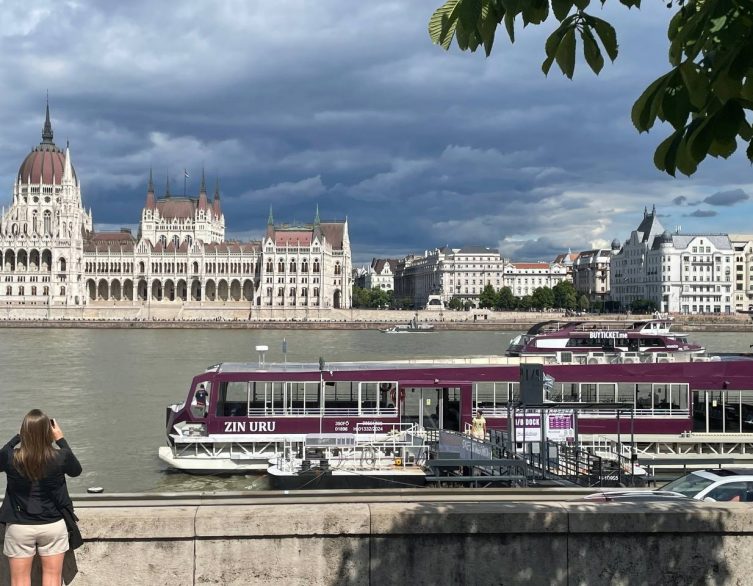
For visitors, the reopening of Rác Bath will be more than a new spa to try — it will be a rediscovered piece of Budapest’s cultural DNA. With the Danube gleaming nearby and the Liberty Bridge within walking distance, the bath’s location links seamlessly to other iconic bathing sites such as Gellért, Rudas, and Gellért Hill’s thermal springs.
Imagine soaking under Ybl’s restored dome as daylight filters through glass openings high above, surrounded by centuries of history, steam, and silence. The renewed Rác Bath promises not just wellness but wonder — an encounter with Budapest’s timeless spirit of hospitality and healing.
For anyone planning a trip to Hungary’s capital, keep an eye on the city’s official tourism updates. When this masterpiece finally reopens, it will surely reclaim its place among Budapest’s must-visit thermal baths, bridging history, architecture, and relaxation in one unforgettable experience.
Related news
Rising Bath Prices in Budapest: What Visitors Need to Know for 2026
Budapest’s world‑famous bath culture is entering a new chapter: from early January 2026, several of the city’s best-known thermal baths are...
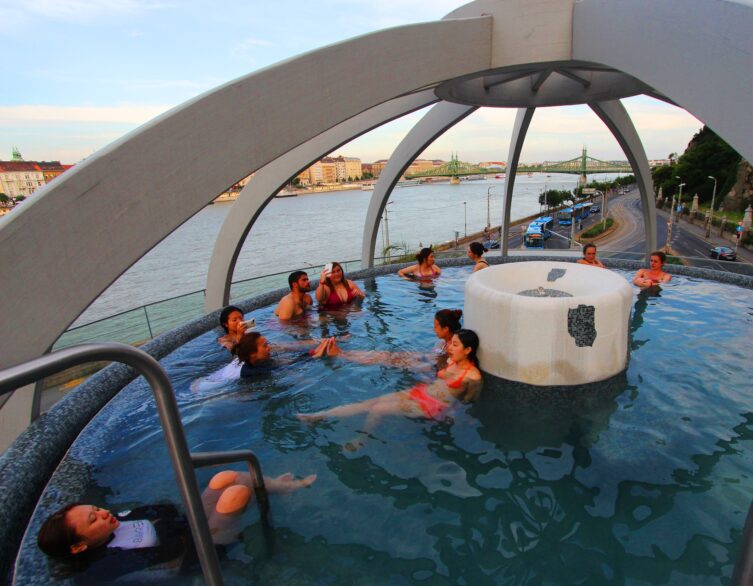
The Rise of Radon Thermal Baths in Budapest
Budapest has long been famous for its thermal baths, but in recent years a more specific trend has emerged: more and more visitors are seeking out...
Budapest’s Thermal Baths in 2026: Prices, Opening Hours and a Christmas Market Surprise
Budapest, Spa Capital with a Small Price Bump Budapest’s famous thermal baths remain one of the city’s biggest highlights, especially in winter,...

Budapest’s Historic Rudas Baths Find Balance: Traditional Bathing Days Return with Modern Flexibility
Budapest’s thermal bath scene has been making headlines recently, and not just because of the stunning architecture or healing waters. The...