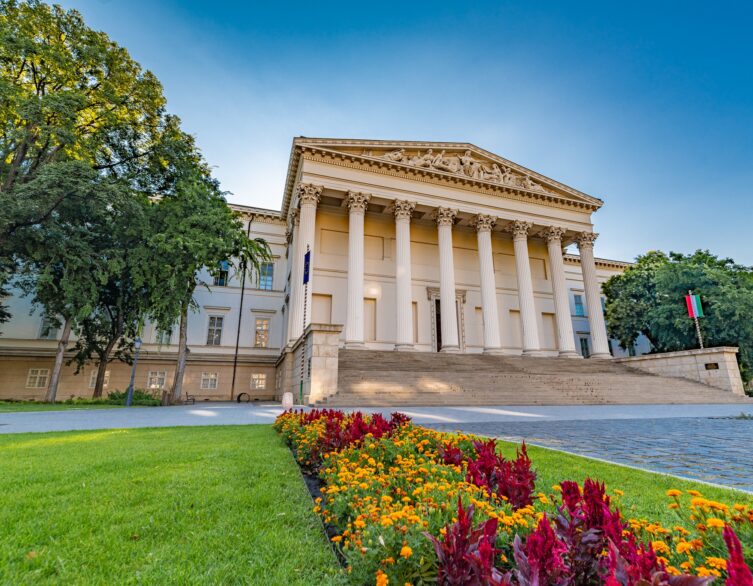
A Forgotten Masterpiece Returns: The Attila Exhibition Opens in Budapest
The Hungarian National Museum is preparing to unveil one of the most ambitious cultural events of the decade: Attila, a grand exhibition that brings myth and history face-to-face in the heart of Budapest. Opening on January 23, 2026, and running until July 12, the exhibition promises to draw visitors from across Europe with its unique blend of archaeology, legend, and art. And among its treasures lies a showstopper — a monumental painting that hasn’t been seen in public for over a century.
The Return of a Lost Giant
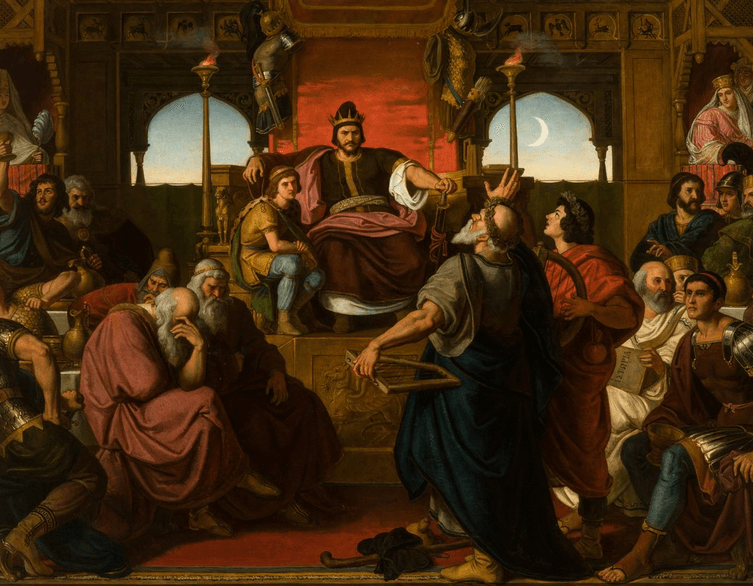
After 120 years away from the spotlight, Antal Haan’s Pope Leo the Great Meets Attila the Hun Before the Gates of Rome returns to public view. This colossal oil painting, measuring five by seven and a half meters, is nearly identical in size to the original fresco created by Raphael in the Vatican’s Stanza di Eliodoro. The Hungarian copy holds both artistic and national significance: Haan, born in Békéscsaba, completed it in the 1870s–1880s on commission from the Ministry of Religion and Education, guided by the idea that even the Huns’ legendary leader had a place in European — and Hungarian — memory.
The work, owned by the Museum of Fine Arts, underwent months of meticulous restoration at Hungary’s National Laboratory for Museum Conservation and Storage, where teams carefully revived its vivid colors and dramatic scene. Now, restored to its former glory, the painting will take pride of place in the József Nádor Hall of the Hungarian National Museum, forming one of the visual centerpieces of the Attila exhibition.
Best deals of Budapest










Where History Meets Myth
Few figures have captured the imagination of history and legend alike as much as Attila the Hun. To some, he was a ruthless conqueror; to others, a symbol of strength, strategy, and unifying power. The new exhibition embraces both perspectives, divided into two main interpretive threads.
One presents the historical Attila — the real man and his empire as archaeology and modern scholarship now understand them. The other dives deep into the mythic Attila — the 1,600 years of literature, legends, and art that have shaped his legacy across Europe.
As chief curator Varga Benedek explains, Attila’s story is inseparable from Europe’s cultural memory. “While we know relatively little about the actual person, the remembrance of Attila has become part of our shared heritage,” he said, emphasizing how history and imagination have long walked hand in hand.
Europe’s Largest Hun-Themed Exhibition
This will be one of Europe’s largest exhibitions ever dedicated to the Huns and their legacy. According to Dr. Gábor Zsigmond, President of the National Public Collections Center, the museum has worked with institutions from both East and West to bring together hundreds of artifacts: archaeological finds, weapons, fine art, and objects reflecting the enduring fascination with Attila. In his words, the goal is to “create a show worthy of the National Museum’s heritage — one that deepens understanding of Hungarian identity and reconnects us with the historical crossroads of Europe.”
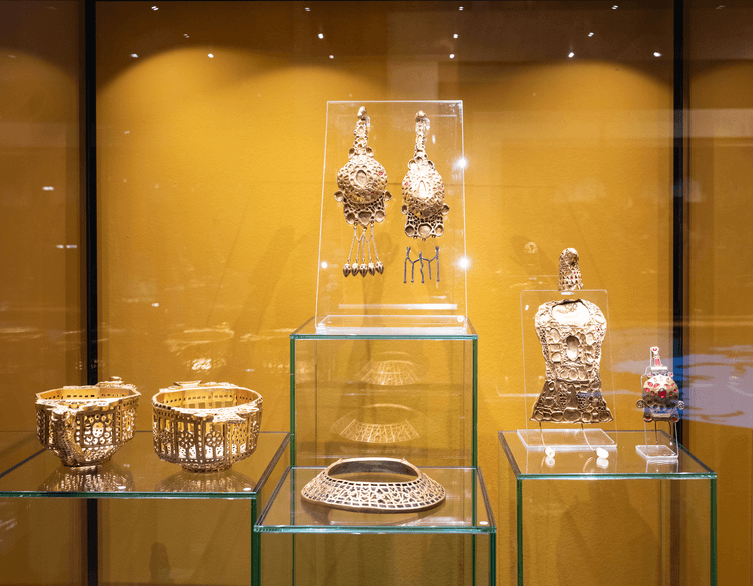
Even the exhibit design invites visitors into history. Within the museum space stands a symbolic yurt, evoking the nomadic culture of the Huns while surrounded by displays of gold ornaments, manuscripts, and artistic reinterpretations from later centuries. With over sixty-four collaborating museums contributing pieces, the scale and collaboration behind the Attila exhibition mark a milestone in Hungarian museology.
Art, Heritage, and National Identity
The exhibition goes beyond the walls of the museum. It’s a journey through time and identity — one that speaks not only to Hungarians but also to anyone intrigued by how civilizations remember and reinterpret their past. The figure of Attila has been both feared and romanticized through ages: the “Scourge of God,” the diplomat who once received envoys from Rome, and the cultural symbol that continues to inspire literature, opera, and film.
For visitors exploring Budapest, this exhibition offers more than visual grandeur. It provides an immersive experience that bridges ancient history with living memory. In the same way that Haan Antal’s enormous painting reimagined a Renaissance masterpiece through a Hungarian lens, the exhibition itself reframes Europe’s early medieval past through today’s multicultural dialogue.
A Must-See in Budapest’s 2026 Cultural Season
With its majestic halls, expertly restored artworks, and interdisciplinary storytelling, the Attila exhibition promises to be a highlight of Budapest’s 2026 cultural calendar. Those planning a visit to Hungary this year will find not only a window into a legendary era but also a reflection of Europe’s shared heritage — complex, layered, and deeply human.
So if you’ll be in Budapest this spring or summer, make your way to the Hungarian National Museum. Step into the story of a leader whose name still echoes across continents, and witness the rebirth of a masterpiece unseen for generations.
The legend of Attila continues — this time under the arches of one of Europe’s most storied museums.
Related news
Related events
Related attractions