Understanding Budapest’s Climate and Green Spaces Today
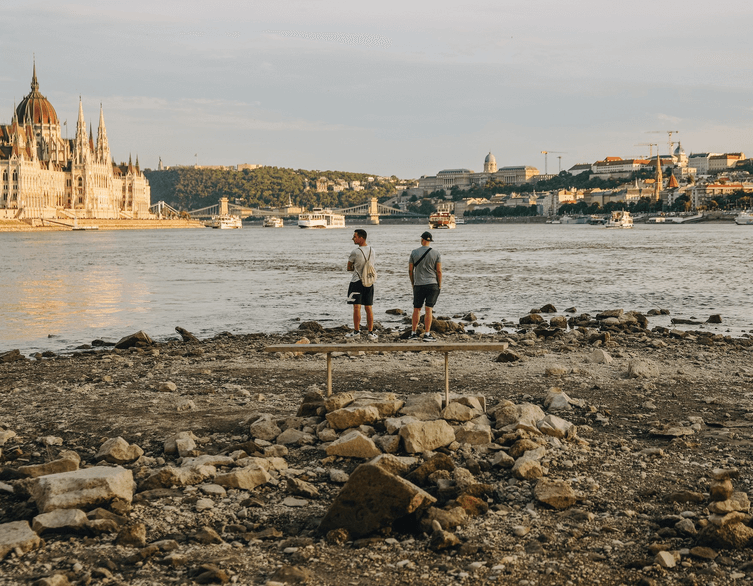
Budapest’s environment faced some tough challenges in 2024, as laid out in the city’s official 2025 state assessment, approved last December by the local assembly. Picture record-breaking heat waves baking the streets, the Danube River shrinking to unusually low levels near Margaret Bridge, and a long dry spell that shaped daily life for locals. This yearly report, required by Hungarian law, looks at everything from air and water to parks and noise, giving tourists a clear snapshot of what to expect and how to make the most of a trip while respecting the city’s natural balance.
A Year of Scorching Heat and Unpredictable Weather
The weather is one of the first things you notice when you arrive in Budapest. In 2024, the city recorded its hottest year in more than a century of measurements, with average temperatures noticeably higher than previous records. That translated into 27 days of intense, top-tier heat waves in the urban core, far above the usual handful of such days seen in earlier decades. Nights brought little relief, with 56 so‑called “tropical nights” when temperatures did not fall below 20°C, a number that has increased sharply over the last century.
Cold days became rare: frost was recorded on only 31 days, significantly fewer than the long‑term average. Rainfall was also scarce, adding up to one of the driest years since the early 1900s. Most months were drier than usual, with summer and late autumn especially lacking rain. This local pattern mirrors a broader European trend, where the continent is warming faster than most other regions, bringing more frequent heatwaves, dry spells in some areas and sudden floods in others. For visitors, this means summers in Budapest can be very hot and sunny, while spring and autumn are becoming milder and longer, often ideal for city walks and sightseeing.
Trees Under Stress, But Green Havens Still Thrive
These shifts in temperature and rainfall are not just abstract statistics; they show up clearly in the health of Budapest’s trees and green spaces. After a severe drought in 2022, city experts observed that climate impacts had “stepped up a level,” and many older trees began to struggle. Specialists estimate that roughly a third of Budapest’s mature trees could reach a critical condition within the next decade if conditions continue to worsen. While trees typically reach full development at 30–40 years, the average age of the city’s tree stock has dropped to about 25 years, a sign of stress and replacement.
Despite these challenges, Budapest still offers visitors a generous amount of greenery. On average, each resident is served by dozens of square meters of forested area and several square meters of public parks and gardens, with additional green space in housing estates. Overall forest cover in the capital is comparable to that of many other European cities. The city is also remarkably rich in plant life: of the thousands of plant species native to Hungary, more than half can be found within Budapest’s boundaries, including a few rare protected species that grow only here.
To protect and improve this living heritage, the city has introduced new tree‑planting protocols designed to ensure that replacements are not only numerous but also resilient to future climate extremes. Community initiatives have appeared as well, such as local watering campaigns during dry summers, where residents gather to help young and vulnerable trees survive prolonged heat. For tourists, all of this work translates into real experiences: strolling beneath shady canopies, resting in pocket parks, and enjoying the cooler microclimate of leafy districts even during warm spells.
Margaret Island is one of the best examples of how this green network benefits visitors. The island, set in the middle of the Danube, is almost entirely car‑free and filled with mature trees, lawns, gardens, fountains and walking paths. On hot days, it is usually a few degrees cooler than the surrounding city, providing natural relief. You can rent bikes or pedal cars, explore small gardens, or simply sit on a bench and watch the river flow by. The Buda Hills, including popular spots like Normafa, offer fresh air, forest paths and sweeping views over the city, while waterfront parks such as Kopaszi‑gát create a relaxed atmosphere for picnics and evening walks.
Cleaner Air and Quieter Streets Than You Might Expect
While climate indicators have been worrying, air quality in Budapest has shown a gradual, long‑term improvement. Over the past two decades, pollution from dust and certain gases has declined thanks to cleaner vehicles, stricter standards and changes in industry. In 2024, the number of days with acceptably low levels of coarse particles remained high, corresponding to more than ten months of relatively clean air. Occasional exceedances of pollution limits still occur, but they are less frequent than in the past.
Nitrogen dioxide, a traffic‑related pollutant, met annual limits at all monitoring stations in the city in 2024, reflecting the impact of better vehicles and public transport. Ozone, a gas formed in the atmosphere under sunlight, showed less favorable results, with fewer “problem‑free” days than in earlier years, but still remained mostly within acceptable ranges. One persistent issue is benz(a)pyrene, a carcinogenic compound produced largely by burning wood and coal for heating. Its levels sometimes rise above recommended values in winter, a pattern shared with many Central and Eastern European cities where solid fuels are still used in households.
Best deals of Budapest









Noise is another aspect of the city’s environmental profile. Budapest’s residents are exposed to noise levels that are close to the European average. In comparative terms, the situation is better than in some large, dense cities but not as quiet as in the calmest northern capitals. Road traffic remains the main source of environmental noise. However, extensions of the cycling network, the spread of traffic‑calming zones and ongoing development of public transport all help to reduce both noise and local air pollution over time. A new strategic noise map is being prepared to guide future measures.
For visitors, this means that most of Budapest’s central districts are perfectly comfortable for walking and outdoor dining, especially away from major traffic arteries. Air quality can vary by season and weather, but on many days it is suitable for longer walks along the Danube embankments, in city parks, or up in the Buda Hills. Checking a simple air‑quality app before planning a long run or bike tour is a good habit, especially if you have asthma or allergies.
How the City Is Responding – And How You Can Join In
Budapest’s government has not only observed these environmental changes but also acted on them. In 2019, the city declared a climate emergency, committing to consider climate and environmental impacts in every major decision. A dedicated climate and environment department was set up, focusing on projects that reduce emissions and help the city adapt to new climate realities. These include expanding green areas, modernizing public buildings to save energy, and improving public transport so that residents and tourists can rely less on cars.
One important development is the “green budgeting” approach, where the city analyzes how much of its annual spending directly supports environmental and climate goals. This makes it easier to adjust priorities and ensure that funds go to public transport upgrades, tree planting, park renovations and other green projects. Alongside this, an environmental program running from 2021 to 2026 sets clear objectives and tracks progress, while regular environmental state assessments give citizens and decision‑makers a consistent overview of trends.
As a visitor, you can easily align your stay with these efforts without sacrificing comfort or convenience. Budapest’s public transport network is extensive and relatively easy to use: trams, buses, trolleybuses and metro lines cover all the main tourist areas. In recent years, more electric buses have been introduced on busy routes, cutting local emissions and noise. Using a travel app, you can buy digital tickets, plan routes and switch between modes without hassle. Choosing trams and buses over taxis not only saves money but also supports the city’s push for cleaner mobility.
Cycling is another attractive option. The city has been adding bike lanes and shared paths, and public bike‑sharing schemes provide an affordable way to explore districts like the inner city, the riverfront, or the Buda side. Many guided tours now emphasize sustainable themes, from eco‑friendly city walks to boat trips that highlight the Danube’s ecological importance. Visiting local markets, bringing a reusable bottle to fill with tap water, and favoring restaurants that source local ingredients are simple ways to reduce your footprint while enjoying authentic Hungarian flavors.
Experiencing Budapest With Environmental Awareness
Understanding Budapest’s environmental story can actually make your trip more interesting. When you walk across Margaret Bridge and see the Danube’s waterline, you are also seeing the consequences of recent dry years. When you sit under a tall plane tree in a square, you are benefitting from decades of urban greening—and from new policies meant to keep these trees healthy for years to come. Taking a tram along the Grand Boulevard, you are part of a broader shift away from car‑dominated streets and toward cleaner, more liveable public spaces.
At the same time, the city’s cultural life and urban charm remain strong. Thermal baths like Széchenyi and Gellért still draw visitors with their mineral‑rich waters, while ruin pubs, museums and concert halls offer indoor escapes on days when the heat or weather feels intense. By choosing to move around in low‑impact ways, spending time in parks and appreciating the city’s efforts to adapt to climate change, you can enjoy Budapest’s beauty with a deeper sense of connection and context.
Budapest in the mid‑2020s is a city in transition: warmer, sometimes drier, but also more conscious of its environmental responsibilities and more determined to protect the qualities that make it special. As a foreign tourist, you are not just a spectator in this story. The way you travel, the places you choose to visit, and the services you support all play a small part in shaping the future of this remarkable Danube capital.
Related news

Budapest Airport’s Green Revolution: How RESILIMET Keeps Your Flights Storm-Proof
Ever worried about a sudden downpour delaying your Budapest getaway? At Ferenc Liszt International Airport (BUD), that’s becoming history thanks...
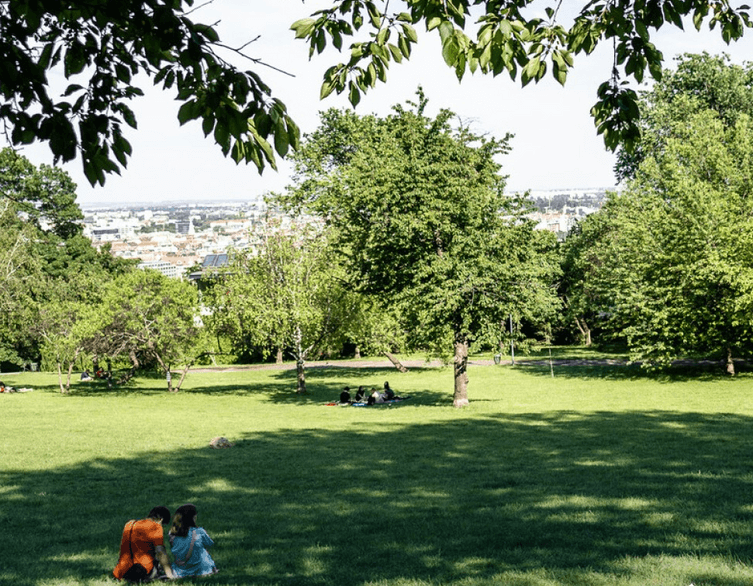
Budapest’s Green Revolution: A Path to Climate Neutrality
In the heart of Hungary, Budapest is embarking on an ambitious journey towards a greener, more sustainable future. As part of the European Union’s...
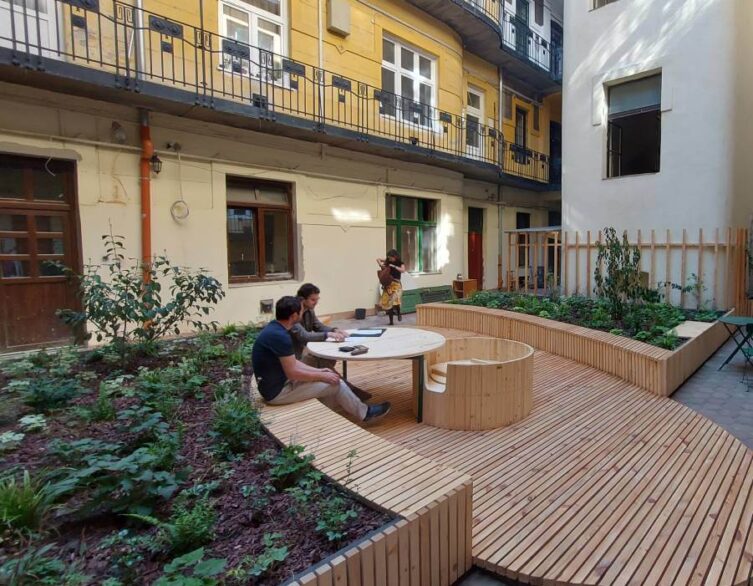
Climate Strategy to Combat Increasing Heat Waves in Budapest
Budapest, the capital city of Hungary, is facing a growing challenge from the impacts of climate change. The city’s dense urban fabric, geographical...
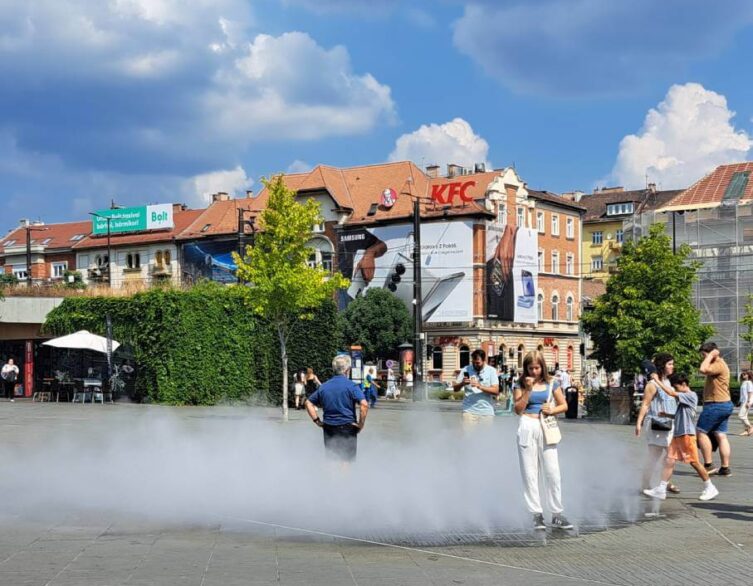
Climate Change Affects Tourism Worldwide – And In Budapest As Well
Budapest, the capital city of Hungary, is already feeling the impacts of climate change. As global temperatures rise due to increasing greenhouse...
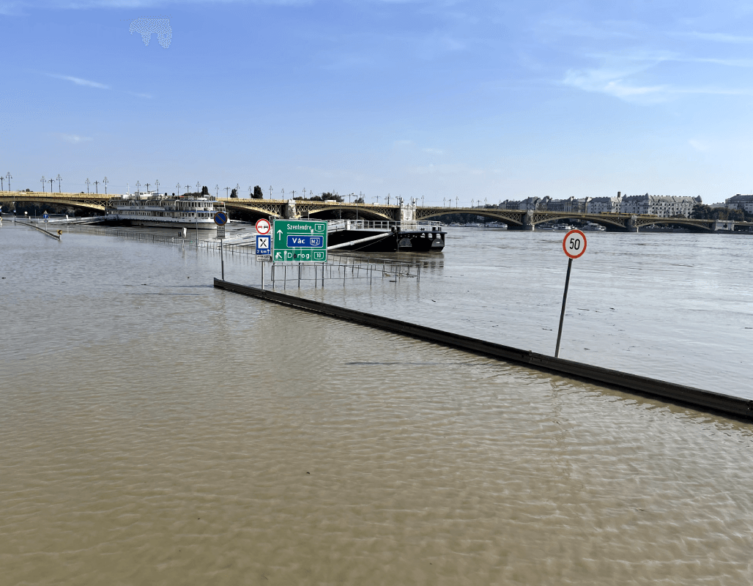
Floods Predicted to Become More Frequent Due to Climate Change
Climate change is a global phenomenon that has far-reaching consequences, one of which is the increased frequency and severity of floods. As the...