The 30th CAF Tram Has Arrived in Budapest — And the Best Is Yet to Come
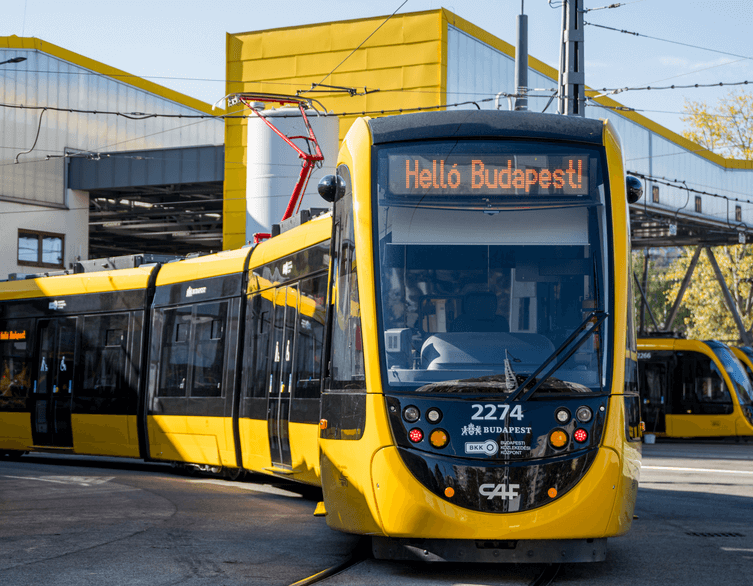
If you’ve ever hopped on one of Budapest’s iconic yellow trams and wished for a smoother, cooler, and more comfortable ride, good news is rolling down the tracks. On March 11, 2026, the Hungarian capital welcomed its 30th brand-new CAF tram into service — a milestone that brings Budapest’s modern tram fleet one step closer to reshaping how locals and tourists alike move through this magnificent city.
A Fleet Built for the Modern Traveller
The newly commissioned tram, fleet number 2286, is part of a larger procurement of 51 state-of-the-art vehicles ordered by BKK (Budapest Transport Centre). These trams are manufactured by CAF (Construcciones y Auxiliar de Ferrocarriles), a Spanish rail vehicle company with a strong reputation across Europe. With the 30th unit now in service, the total number of CAF trams running on Budapest’s streets has reached an impressive 103.
What makes these trams special? They are fully low-floor, meaning you can step on and off without navigating any steps — a genuine comfort upgrade whether you’re travelling with luggage, a pushchair, or simply tired feet after a long day of sightseeing. They’re also fully air-conditioned, which makes a noticeable difference during Budapest’s often scorching summer months. Add to that modern safety systems, energy-efficient technology, and a sleek design, and you have a vehicle that feels right at home in a 21st-century European capital.
Best deals of Budapest









How Is This Being Funded?
This isn’t a small-scale project. The entire fleet acquisition is being carried out under an EU-backed infrastructure development programme, with a non-repayable grant of 54.15 billion Hungarian forints — co-financed by the European Union and the Hungarian State. The project title is “Procurement of 51 CAF Trams for Budapest”, and it represents one of the largest public transport investments the city has seen in recent years. It’s a clear signal that Budapest is serious about building a greener, more accessible urban transport network for the long term.
Where Will You Find the New Trams?
The freshly commissioned tram number 2286 is currently running on Line 17, which travels along the scenic Buda riverside. But Line 17 is just one of many routes set to benefit. As more trams are delivered and certified, they will appear in growing numbers on Lines 1, 3, 17, 19, 42, 50, 56, 56A, and 61. In fact, Lines 3 and 42 have already made a full transition — since the 100th CAF tram entered service, only CAF vehicles operate on those routes.
Looking further ahead, once all 51 new trams are in service and if the required EU infrastructure funding comes through, the modern fleet could also expand to Lines 2, 23, 24, and 62, as well as adding further low-floor vehicles to Lines 14 and 69. BKK is also examining the feasibility of deploying these trams on the beloved Lines 47 and 49, which are among the most frequently used by tourists crossing between Buda and Pest.
Why This Matters for Tourists Visiting Budapest
Budapest’s tram network is genuinely one of the best ways to explore the city, and it’s not just about getting from A to B — it’s part of the experience itself. Tram Line 2, which runs along the Pest embankment of the Danube, is frequently cited as one of the most scenic urban tram rides in all of Europe, rolling past the Hungarian Parliament, the Chain Bridge, and the Great Market Hall. Line 19 offers equally stunning views from the Buda side, connecting Kelenföld Railway Station to Batthyány Square. Lines 4 and 6, meanwhile, run 24 hours a day along the Grand Boulevard, making them a lifeline for night owls and late arrivals.
As the CAF fleet grows, more of these beloved routes will feature the newer, more comfortable vehicles. For tourists, this means less waiting, easier boarding, and a quieter, smoother journey through one of Europe’s most beautiful cities.
The Infrastructure Work Behind the Scenes
Rolling out 51 new trams across an ageing network doesn’t happen overnight. BKK and its operational partner BKV are investing heavily in the supporting infrastructure, from upgrading power supply systems and rebuilding line terminals to expanding and modernising depot facilities. In late 2025, BKK launched procurement processes for the redevelopment of the Ferencváros and Angyalföld depots. In March 2026, contracts were signed for the expansion and modernisation of the Száva depot, and planning tenders were issued for the terminal upgrades on Line 24.
These behind-the-scenes improvements are essential for the new trams to reach their full potential across the network. Some lines still require significant track and platform work before they can accommodate the low-floor vehicles — but the city has made its commitment clear, and the pace of change is accelerating.
A City on the Move
By the time all 51 new CAF trams are in service, more than 40% of Budapest’s entire tram fleet will be made up of modern, low-floor, accessible vehicles. For a city that takes enormous pride in its public transport heritage — Budapest was home to one of the world’s first electric tram systems back in the 19th century — this new chapter feels fitting. The yellow tram is as much a symbol of Budapest as the Parliament or the Danube bridges, and now it’s getting a well-deserved upgrade.
So next time you find yourself at a tram stop in Budapest, keep an eye out for the sleek, wide-windowed CAF rolling toward you. Step on, sit back, and enjoy the ride — the city has never looked better from the window of a tram.
Related news
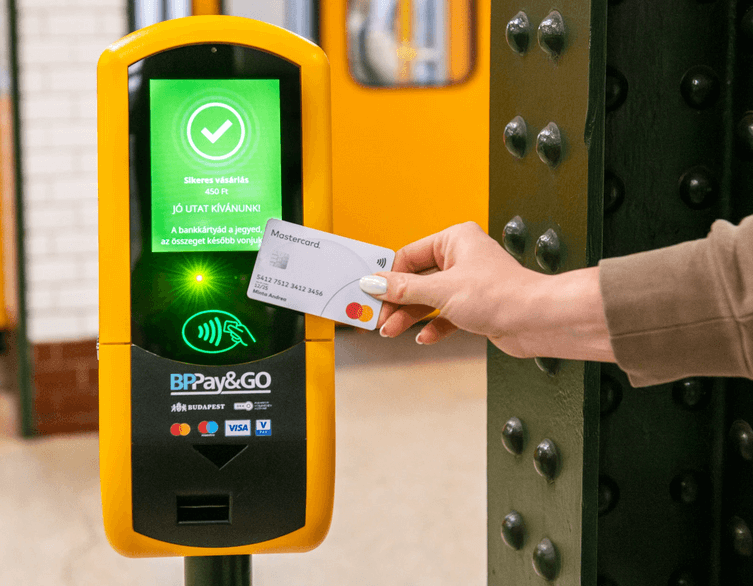
Tap and Go: Budapest Is Making Public Transport Easier Than Ever for Visitors
If you’ve ever arrived in Budapest, bleary-eyed after a long flight, and found yourself fumbling with unfamiliar coins at a metro ticket machine,...
Getting Around Budapest on March 15 — What Every Visitor Should Know
If you happen to be in Budapest on Sunday, 15 March 2026, you’re in luck — you’ve arrived on one of Hungary’s most important...
Safer Public Transport in Budapest: What Tourists Should Know About BKK and Police Checks in 2026
If you are planning to explore Budapest by tram, metro, or bus, there is some reassuring news from the city’s transport network. Budapest has been...
BKV Treasures: Perfect Souvenirs for Budapest’s Transport Lovers
Picture this: you’ve just stepped off a rattling yellow tram in Budapest, your kids buzzing with excitement from their metro adventure, and...
Budapest Public Transport Gets Tough on Fares – But Safer and Smarter for Tourists
Budapest’s trams and metros are your ticket to effortless sightseeing, but January brought a wave of joint ticket inspections by BKK controllers...