Safer Public Transport in Budapest: What Tourists Should Know About BKK and Police Checks in 2026
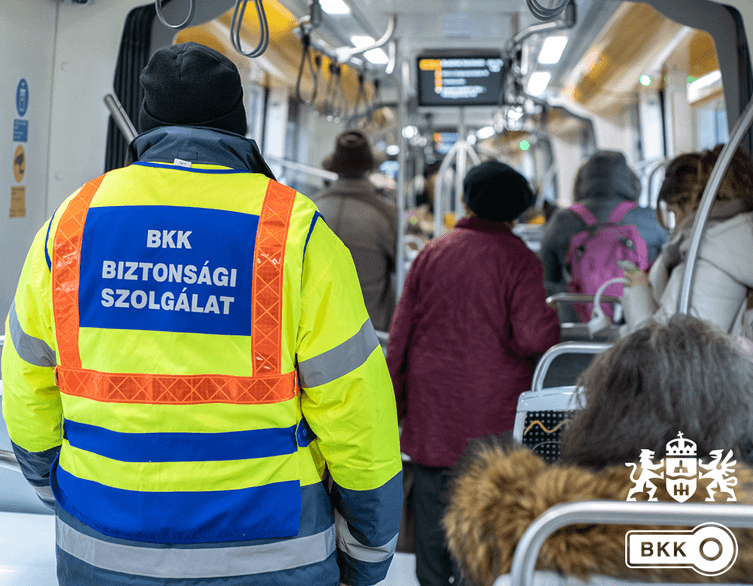
If you are planning to explore Budapest by tram, metro, or bus, there is some reassuring news from the city’s transport network. Budapest has been stepping up coordinated safety and ticket-inspection operations on its busiest lines and at major stations, and the latest results show a very visible presence of both ticket inspectors and police in the places visitors use the most.
In February 2026 alone, more than 75,000 passengers were checked during joint operations carried out by BKK staff together with the Budapest Police Headquarters and municipal enforcement colleagues. For tourists, this matters for two reasons: it helps create a safer, calmer atmosphere on public transport, and it also means you should expect ticket checks to be a normal part of getting around the city, especially on popular routes.
What happened in February, and why it matters to visitors
Budapest’s transport authority and police have been working under a formal cooperation agreement since 2020, with the goal of improving public safety and creating a more liveable city environment. February 2026 included four large-scale operations, and they were not limited to vehicles only. Checks also covered stops, metro stations, and the areas around them, which is exactly where tourists often feel most uncertain in an unfamiliar city.
Across the operations, BKK ticket inspectors checked 75,819 passengers. Fewer than one percent of the checked passengers received a surcharge, which suggests two things at once: most people do travel with valid tickets, and inspections are frequent enough that fare evasion is not a great idea. Alongside the ticket checks, police carried out identity checks, detained wanted individuals, and took action in a small number of crime and misdemeanour-related cases. The overall message is clear: Budapest is aiming for public transport that feels orderly and well-supervised.
Where you are most likely to see checks in Budapest
For foreign tourists, the location details are particularly useful because the operations focused on lines and hubs that many visitors use daily. Checks took place on major tram routes such as tram 4 and 6, which run along the Grand Boulevard and are among the busiest lines in the city, and also on tram 1 and 1A, which are convenient for reaching areas beyond the very center. The metro was included too, with inspections on Metro line M4, a key route if you are traveling between the city center and the Kelenföld area.
On the bus network, the operations covered lines including 20E, 30, 30A, and 230, and there was also attention given to big interchange areas. If you are changing lines at Újpest-központ, Kálvin tér, Corvin-negyed, or around Kelenföld railway station, it is completely normal to encounter inspectors and police near entrances and exits.
What a ticket inspection looks like on BKK
Ticket inspections in Budapest are usually straightforward and quick, and knowing what to expect makes the whole experience stress-free. Inspectors typically ask to see a valid ticket, travelcard, or pass, and they may also check that a paper ticket has been properly validated. You will sometimes see inspections at station exits or on platforms, not only on board, so it is worth keeping your ticket or pass easily accessible rather than buried in a bag.
Best deals of Budapest










If you are using a time-based travelcard or pass, make sure it is filled in correctly if required and that you have the identification document associated with it if the product rules call for it. If you are using mobile tickets, keep your phone charged and ready to display the ticket in the official app you purchased it through. From a tourist perspective, the simplest strategy is to treat inspections as routine, the same way you would in many other European capitals.
Feeling safe on public transport in Budapest, especially at night
One of the most common questions tourists ask is whether Budapest public transport is safe at night. The city is generally considered safe by European big-city standards, and the presence of coordinated checks on high-traffic lines like tram 4 and 6 tends to make the network feel even more secure, especially on weekends when nightlife is busy.
That said, big interchange stations can be hectic anywhere in the world. The practical advice is the same as in any major city: keep an eye on your belongings, avoid leaving phones and wallets on café tables at stops, and be cautious in crowds when boarding. The fact that these operations also cover station surroundings is helpful, because it is often the entrances and underpasses, not the vehicles themselves, where visitors feel most uncertain.
It is not only about tickets: bus lanes and taxis were checked too
Budapest’s transport and police cooperation in February did not focus solely on passengers. There were also targeted checks on proper bus-lane use, with on-the-spot fines issued to drivers who used bus lanes without authorization. For tourists, that is good news because it supports faster and more reliable public transport, especially on congested corridors.
Taxi checks were carried out as well, focusing on vehicles providing passenger transport with or without the proper permissions. If you are visiting Budapest and plan to use taxis occasionally, this kind of enforcement supports a cleaner, more predictable market. The safest approach is still to use clearly identified, officially operated taxis or reputable taxi apps, and to avoid accepting unsolicited rides.
How to travel confidently in Budapest in 2026
The big takeaway is simple: Budapest is investing in a public transport experience that feels safer and more controlled, and that is a win for visitors. You can help your own trip go smoothly by using valid tickets or passes, validating where required, and keeping proof of travel handy on busy lines and at major hubs like Kálvin tér, Corvin-negyed, Újpest-központ, and Kelenföld.
If you tell me when you are visiting and which neighbourhood you are staying in, I can suggest the easiest BKK routes for sightseeing and the best transport options for late evenings, with a focus on convenience and safety.
Related news
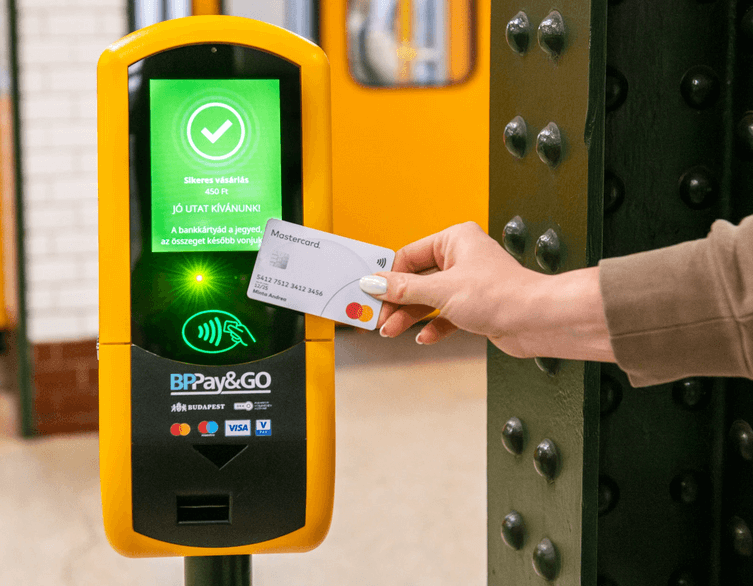
Budapest’s Public Transport Revolution: Tap Your Card and Go – No More Ticket Hassles for Tourists
Picture this: you step off the plane at Budapest Airport, exhausted from your flight, and need to zip into the city center. Instead of fumbling for...
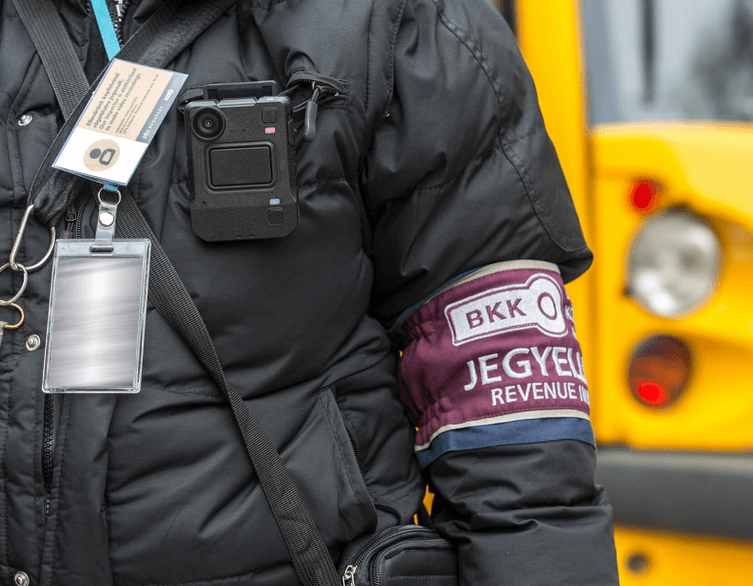
Budapest Public Transport Gets Tough on Fares – But Safer and Smarter for Tourists
Budapest’s trams and metros are your ticket to effortless sightseeing, but January brought a wave of joint ticket inspections by BKK controllers...
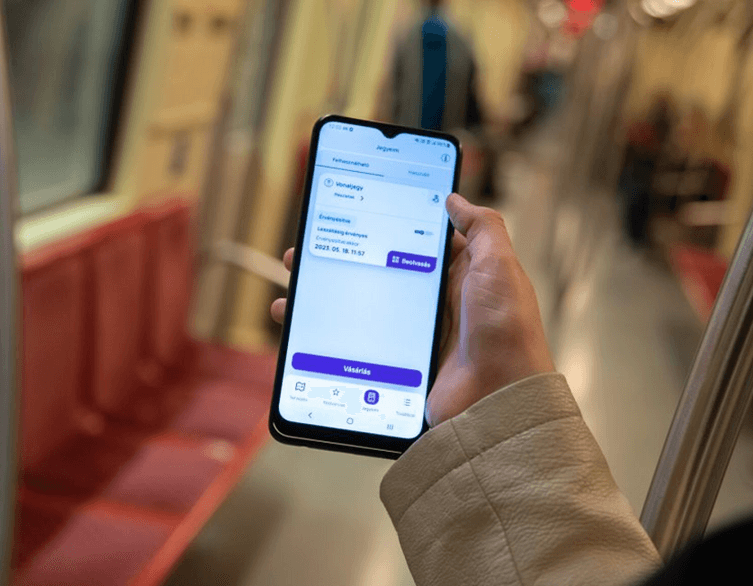
Easier, Smarter Travel in Budapest: BKK Makes Pass Purchases Simpler from January 30
If you’re planning to move around Budapest this winter or simply want to make the most of your stay, you’ll soon find it even easier to travel...
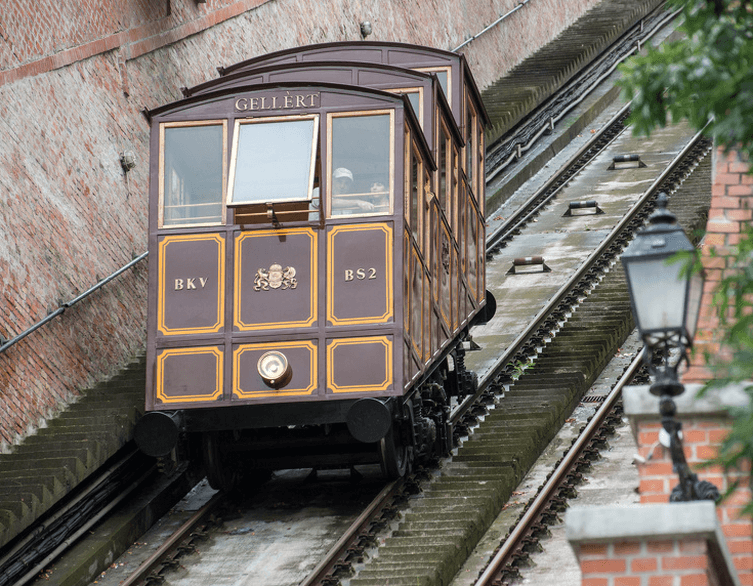
BKK Introduces Combined Tickets for the Buda Castle Funicular and Danube Cruises
Foreign visitors to Budapest now have an exciting new way to immerse themselves in the city’s iconic landmarks. Starting March 1, a combined ticket...
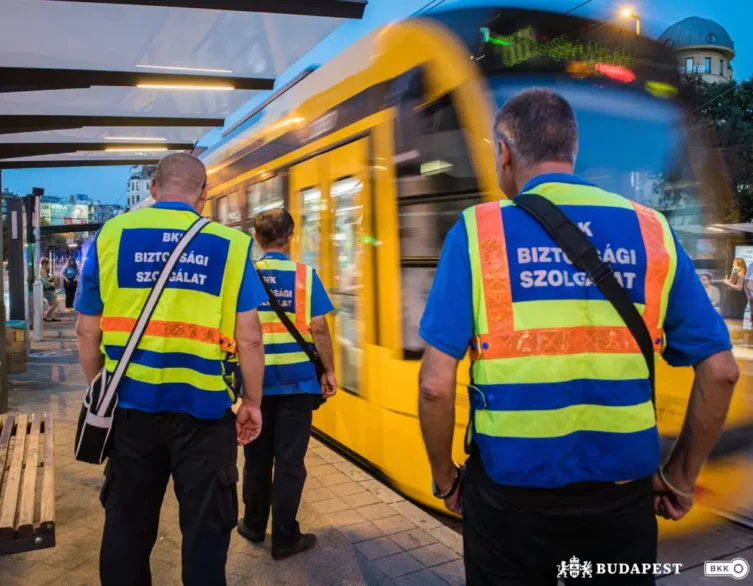
BKK and The Police Checking Up On Our Favorite Tram Lines and More
Hey there, folks! It seems like the Budapest Police Headquarters (BRFK) and the Budapest Transport Center (BKK) are at it again, joining forces to...