Free Museums in Budapest on March 15 — How to Make the Most of Hungary’s National Holiday

A Holiday Worth Knowing About
If you happen to be in Budapest on March 15, you’ve landed on one of the most meaningful and festive days in the Hungarian calendar — and one of the most rewarding days to explore the city’s extraordinary cultural institutions, entirely for free. March 15 is Hungary’s National Day, commemorating the outbreak of the 1848 Revolution and War of Independence against Habsburg rule, and it is marked across the capital with ceremonies, open-air events, and a generous wave of free museum admissions that makes it an absolute gift for curious visitors.
The Revolution That Started It All
To fully appreciate why March 15 carries such emotional weight for Hungarians, it helps to know a little of the history behind it. On this day in 1848, a group of radical young intellectuals and poets — most famously the firebrand poet Sándor Petőfi — gathered in front of the Hungarian National Museum in Pest and set in motion a largely bloodless uprising against Austrian Habsburg rule. They published a list of twelve demands calling for freedom of the press, civil rights, and an independent Hungarian parliament, and Petőfi recited his stirring National Song to the crowd, helping to ignite a movement that would grow into a full-scale war of independence. Although the revolution was ultimately suppressed with Russian military assistance, it cemented the ideals of freedom and national identity that Hungarians hold dear to this day. Every March 15, the country pauses to remember it — and Budapest does so with considerable flair.
Free Entry to Budapest’s Greatest Museums
The most practical reason for tourists to pay attention to March 15 is simple: a remarkable number of Budapest’s finest museums throw open their doors free of charge for the day. This year, the list of participating institutions is genuinely impressive. The Hungarian National Museum — the very building in front of which the 1848 revolution began — offers free entry, making a visit feel especially fitting on this particular day. The Hungarian National Gallery, housed in the magnificent Royal Palace on Castle Hill, is also free, as is the Museum of Fine Arts, the grand neoclassical building facing Heroes’ Square that holds one of Central Europe’s most significant collections of European paintings and sculpture.
For those drawn to modern and contemporary art, the Ludwig Museum of Contemporary Art on the Buda riverside also participates in the free admission programme. History lovers will want to consider the Budapest History Museum in Buda Castle, the Ethnographic Museum in its spectacular new building near Parliament, and the Hungarian Agricultural Museum in City Park — one of the largest agricultural museums in the world, set inside the fairy-tale Vajdahunyad Castle. The Aquincum Museum and Archaeological Park in Óbuda, which preserves the remains of the Roman civilian town that once stood on this site, is another unmissable option for those with an appetite for ancient history.
Rounding out the list are the House of Terror Museum on Andrássy Avenue — a deeply powerful and sobering exploration of Hungary’s 20th-century dictatorships housed in the former headquarters of the secret police — the Petőfi Literary Museum, the Natural History Museum, and the charming Róth Miksa Memorial House and Collection, dedicated to the Hungarian master of stained glass whose work adorns buildings across the city. The Bálna Defence Centre also opens its doors free of charge on the day.
Best deals of Budapest







The National Museum: The Heart of the Celebrations
While every institution on the list is worth a visit, the Hungarian National Museum is the undisputed centrepiece of March 15 in Budapest. The celebrations spill out well beyond the museum’s permanent collection — the museum’s garden becomes a festive open-air venue with family programmes, craft workshops, board games, and a treasure hunt for younger visitors running from 10am to 6pm. And if you’re still in the area as dusk falls, stay for the spectacular light show projected onto the museum’s neoclassical facade, which runs from 5:30pm until 11pm on both March 14 and 15. It is quite a sight.
The museum also happens to be currently hosting the unmissable Attila exhibition — the largest Huns-themed display ever staged in Europe, running until July 12, 2026, and featuring over 400 artefacts from 64 museums across 13 countries. On March 15, you can see it all without spending a single forint.
Tips for Making the Most of the Day
March 15 is a public holiday in Hungary, which means most shops are closed — but restaurants, cafés, and cultural venues remain open, generally at their usual hours. Expect the city’s major cultural sites to be busier than usual, particularly the National Museum and Buda Castle. For the most popular venues, arriving early in the day is a sensible strategy. St. Stephen’s Hall in Buda Castle also offers free entry on March 15 from 10am to 6pm, though due to high demand it is recommended to book a time slot online in advance — and English-language guided tours are available for a modest fee.
The day’s atmosphere across the city is warm, patriotic, and genuinely festive. You’ll see Hungarians wearing red, white, and green ribbons or cockades — the national colours — and the streets around the National Museum and Parliament are typically busy with commemorative events and celebrations throughout the day. For a foreign visitor, it is one of those rare opportunities to experience a city in the act of remembering who it is — and that, combined with a full day of free world-class culture, makes March 15 in Budapest rather hard to beat.
Related news

Shopping in Budapest on March 15th: What Stays Open on Hungary’s National Holiday
If your trip to Budapest happens to fall on or around March 15th, 2026, there’s something worth knowing before you head out for your morning...
Getting Around Budapest on March 15 — What Every Visitor Should Know
If you happen to be in Budapest on Sunday, 15 March 2026, you’re in luck — you’ve arrived on one of Hungary’s most important...
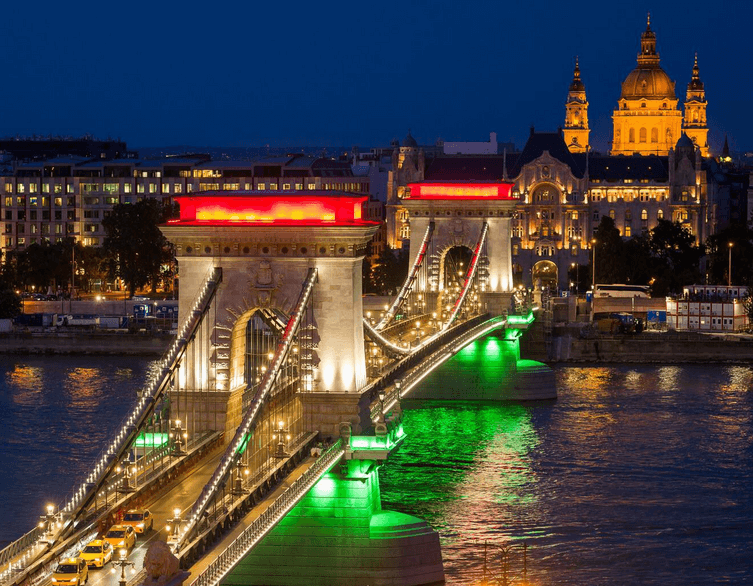
March 15th Celebrations in Budapest in 2026: A Guide for Foreign Visitors
March 15th marks one of Hungary’s most significant national holidays, commemorating the 1848–49 Revolution and War of Independence against Habsburg...

Catch These Budapest Exhibitions Before They Close: March Must-Sees for Art and Culture Lovers
Planning a Budapest trip in March 2026? You’re in luck—these incredible exhibitions, light shows, and winter activities are wrapping up soon,...
Related events
Related attractions
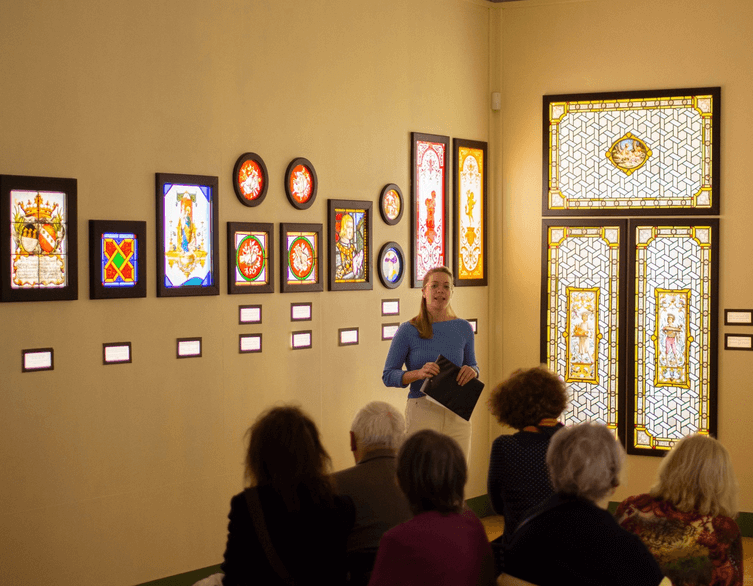
The Miksa Róth Memorial House: A Hidden Gem Where Art Nouveau Lives On
Tucked away on the quiet Nefelejcs Street in Budapest’s 7th district stands a remarkable building that offers one of the most intimate cultural...
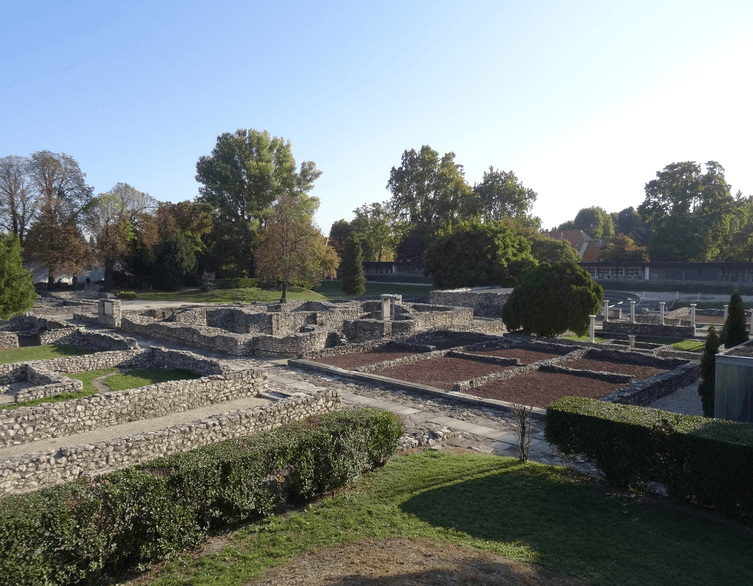
Step Back in Time: Explore the Aquincum Museum and Archaeological Park
Discover the fascinating history of Budapest’s Roman roots at the Aquincum Museum and Archaeological Park, located in District III along Szentendrei...
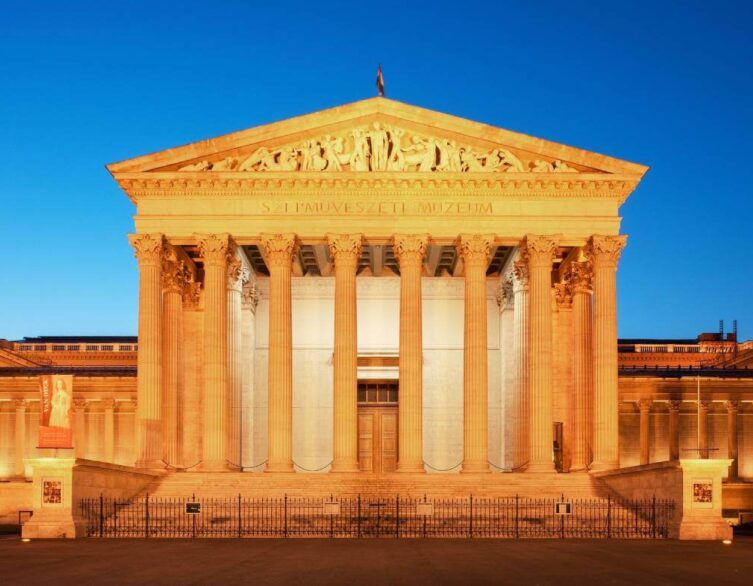
Exploring the Museum of Fine Arts in Budapest
The Museum of Fine Arts in Budapest is one of Europe’s most prominent cultural institutions, housing an extensive collection that spans from...
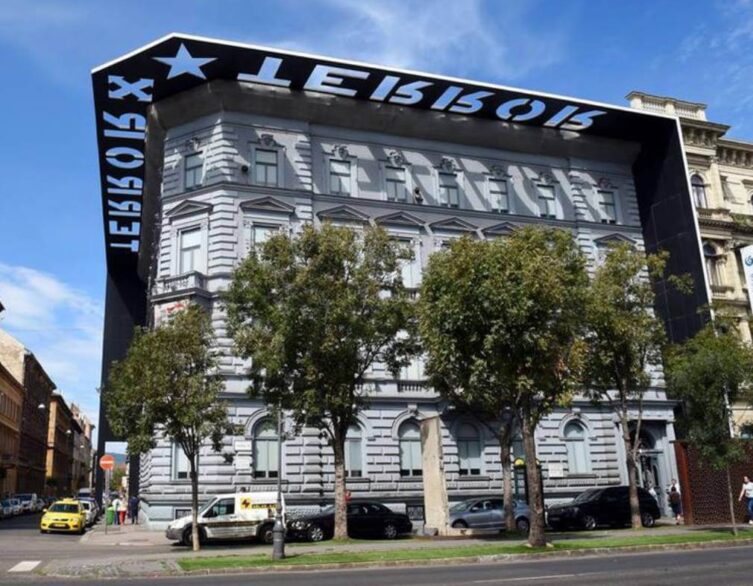
The House of Terror Museum: The Memento For The Future Generations
The House of Terror Museum in Budapest, Hungary is a powerful and moving testament to the dark period of fascist and communist rule in the country...
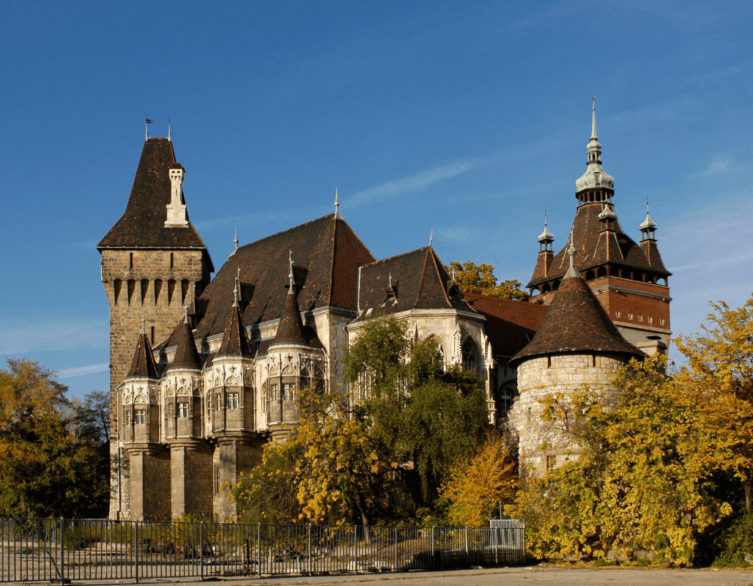
Vajdahunyad Castle, a Unique Mix of Architectural Styles
Vajdahunyad Castle, officially known as the Historical Building Complex, is a stunning architectural masterpiece located in the City Park. Designed...
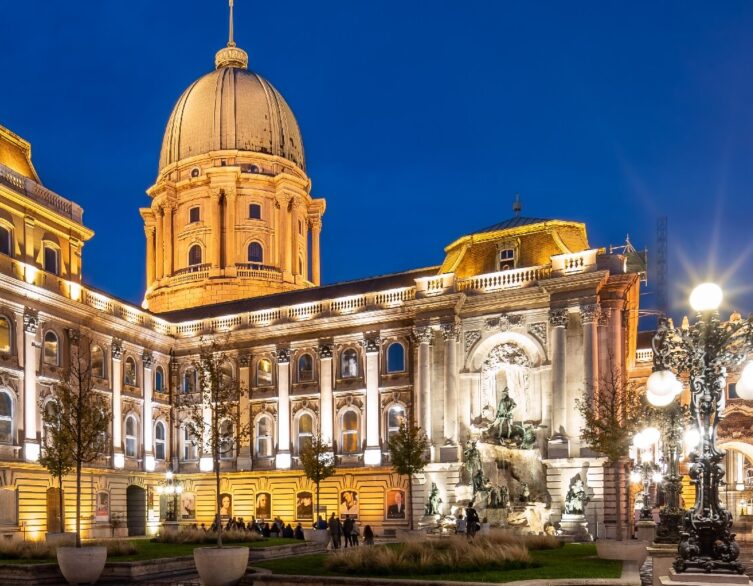
The Hungarian National Gallery in Budapest
Nestled within the historic Buda Castle in Budapest, the Hungarian National Gallery is a treasure trove of Hungarian art, showcasing the country’s...
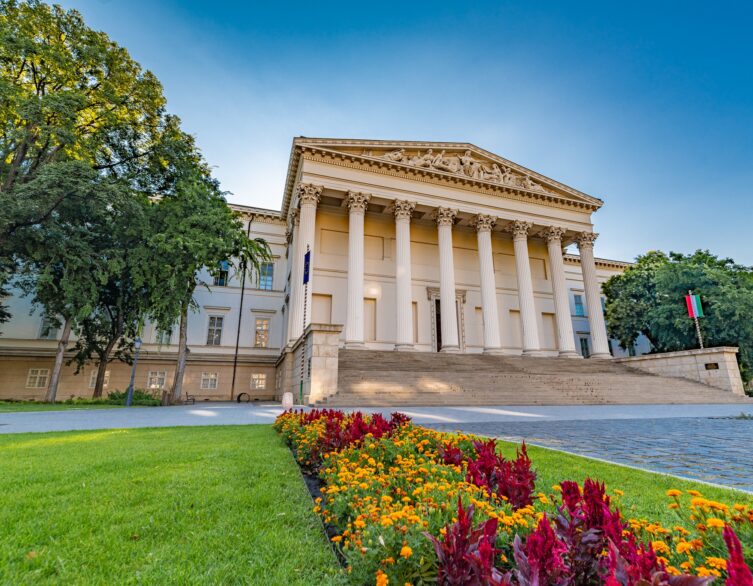
Discover the Treasures of the Hungarian National Museum in Budapest
The Hungarian National Museum in Budapest is a must-visit attraction for anyone interested in the rich history and culture of Hungary. Founded in...