Celebrating a Musical Legend: Kurtág 100 Festival Brings World-Class Performances to Budapest
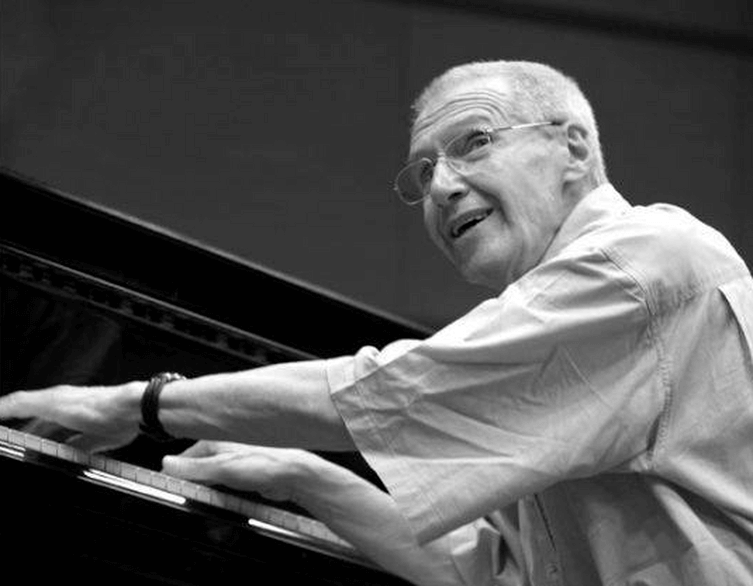
When you visit Budapest in February 2026, you’ll witness something extraordinary happening in the city’s concert halls and cultural venues. Hungary is preparing to celebrate the 100th birthday of György Kurtág, one of the most significant living composers of our time, with a festival that promises to be unlike anything the classical music world has seen in recent years.
If you’ve never heard of Kurtág, don’t worry—you’re about to discover why the international music community considers this Hungarian composer a towering figure in contemporary classical music. Born in 1926, Kurtág has spent a century refining his distinctive voice, creating works that somehow manage to be both intimately personal and universally profound. His music speaks in fragments and whispers, yet carries enormous emotional weight. Think of him as a poet who works in sounds rather than words, crafting miniature masterpieces that reveal new depths with each listening.
A Festival Born from Deep Respect
The Kurtág 100 celebration isn’t just another birthday concert. This is a comprehensive festival spanning the entire year of 2026, with the most concentrated period running from February 15 to 28. During these two weeks, Budapest transforms into the epicenter of contemporary classical music, drawing the world’s finest performers and most devoted music lovers to Hungary’s capital.
What makes this festival particularly special is the collaboration behind it. The Budapest Music Center (BMC) serves as the main organizer, working closely with Müpa Budapest (the Palace of Arts) and the Liszt Academy of Music. The Hungarian government has committed significant support, recognizing that honoring Kurtág means celebrating a cultural treasure that elevates Hungary’s standing in the global arts community. This isn’t just Budapest’s party—cities across Hungary including Győr, Szombathely, Pécs, and Szeged are joining the celebration, making it a truly national event.
Three Unforgettable Days at Müpa
While the festival stretches across two weeks with dozens of events, three consecutive days in mid-February offer an exceptionally compelling experience for visitors. From February 18 to 20, Müpa Budapest presents a concentrated journey through Kurtág’s artistic universe, combining film, discussion, and live performance in ways that illuminate different facets of this complex composer.
The series opens on February 18 with something quite intimate: the premiere of “Kurtág Fragments,” a documentary film directed by Dénes Nagy. Over four years, Nagy followed the composer through his daily life, capturing moments that most artists would keep private. The result is a portrait that brings you remarkably close to a figure who has often preferred to let his music speak for itself. You’ll see Kurtág interacting with some of classical music’s biggest stars—Icelandic pianist Víkingur Ólafsson, French virtuoso Pierre-Laurent Aimard, German baritone Benjamin Appl, and British cellist Steven Isserlis all appear in the film, sharing their insights and experiences with the composer’s work.
After the screening, these same artists join director Nagy for an English-language panel discussion, making the event particularly accessible for international visitors. Music consultant Gergely Fazekas moderates the conversation, which promises to explore not just what makes Kurtág’s music special, but why it continues to inspire performers across generations and continents.
Best deals of Budapest






The Birthday Concert Experience
February 19 marks the actual celebration with a birthday concert that showcases Kurtág’s orchestral works. This isn’t one of those stiff, reverential affairs where everyone sits frozen in formal respect. Instead, the program reveals the playful, exploratory spirit that keeps Kurtág’s music feeling fresh even as he reaches his centenary.
Víkingur Ólafsson returns to the piano, joined by Hungarian cellist István Várdai and the Danubia Orchestra under conductor Markus Stenz. The program spans from Kurtág’s characteristic miniatures—those brief, concentrated moments of musical thought—to the monumental “Stele,” demonstrating his range and evolution. Throughout the evening, you’ll hear echoes of Johann Sebastian Bach, the baroque master whose influence runs like a golden thread through Kurtág’s entire output. Understanding this connection helps explain why Kurtág’s music, despite its contemporary language, feels somehow timeless.
A World Premiere Opera
The festival culminates on February 20 with something genuinely rare: the world premiere of Kurtág’s new one-act opera “Die Stechardin” (The Engraver’s Wife). At 100 years old, Kurtág continues creating new work, which tells you everything about why Hungary’s cultural minister called him “the youngest Hungarian artist” despite his age.
This opera tells a poignant story drawn from 18th-century Germany. It centers on the brief, intense love affair between Georg Christoph Lichtenberg—a brilliant scientist, satirist, and philosopher—and Maria Stechard, a young woman who worked as an engraver. Their relationship was cut tragically short by Maria’s early death, and Kurtág’s opera gives voice to her story through a sensitive monodrama. German soprano Maria Husmann performs the sole vocal role, accompanied by Concerto Budapest under conductor András Keller.
The evening also features outstanding soloists including Aimard, Máté Szűcs, and László Fenyő performing works that place Kurtág in dialogue with Beethoven and Bartók. This programming philosophy runs throughout the festival—Kurtág’s music isn’t presented in isolation but rather in conversation with the composers who shaped him and whom he, in turn, has influenced.
Beyond the Concert Hall
The celebration extends into visual and immersive experiences that might surprise you. At the House of Music Hungary, you can experience “Kurtág Universe,” a special audiovisual presentation in the venue’s remarkable Dome space. Here, Kurtág’s own abstract drawings come alive, synchronized with the sounds of “Zwiegespräch,” a cycle he composed with his son, György Kurtág Jr. The 15-minute film creates a complete sensory experience, showing how this composer thinks not just in musical notes but in colors, shapes, and emotional textures.
This fusion of visual and sonic art reveals something essential about Kurtág’s creative process. He’s never been content to work within a single medium or follow conventional boundaries. The drawings you’ll see aren’t idle doodles—they’re another form of expression, another way of capturing those fleeting moments of inspiration that he transforms into music.
Why This Matters for Visitors
You might wonder why, as a tourist in Budapest, you should care about a contemporary classical composer’s birthday. Fair question. Here’s why it matters: this festival represents a rare convergence of artistic excellence that transcends typical tourist experiences.
Classical music tourism has exploded in recent years, with travelers seeking authentic cultural encounters rather than just checking off landmarks. Attending one of these Kurtág 100 events puts you in the room with some of the world’s greatest living musicians, performing works that challenge and reward careful listening. You’ll share the experience with serious music lovers from across Europe and beyond, all gathered to honor an artist who has devoted his life to his craft.
Budapest itself has become a major destination for classical music, rivaling Vienna and Prague. The city’s venues—particularly Müpa with its exceptional acoustics and the historic Liszt Academy—provide world-class settings for world-class performances. During the festival, you’ll see these spaces at their finest, filled with an atmosphere of anticipation and celebration that only happens when the music world recognizes something truly significant is unfolding.
Practical Considerations for Festival-Goers
If you’re planning to attend, some advance preparation helps. The birthday concert on February 19 has already sold out, demonstrating the intense interest in these events. However, other performances throughout the two-week festival period offer plenty of opportunities to experience Kurtág’s music. The film premiere and panel discussion on February 18 provide an accessible entry point, especially since the discussion will be conducted in English.
Ticket prices vary considerably. The panel discussion following the film is free, making it an excellent option if you’re curious but not ready to commit to a full concert. The film screening itself ranges from 3,000 to 5,000 Hungarian forints (roughly 8 to 14 euros), quite reasonable for an international premiere. Concert tickets span a wider range depending on seating, but even the most expensive options remain more affordable than comparable events in Western European capitals.
Müpa Budapest sits on the Pest side of the Danube in the 9th district, easily reached by metro line 4 or tram 2, which runs along the river offering spectacular views. The venue includes restaurants and cafes where you can dine before performances or discuss what you’ve heard during intermission. The entire complex was designed to be a destination, not just a concert hall, so arriving early to explore enhances the experience.
Understanding Kurtág’s Musical Language
Kurtág’s music can initially seem challenging to listeners accustomed to more traditional classical repertoire. He works primarily in miniatures—brief pieces that might last only seconds or a few minutes. Where other composers build grand architectures of sound, Kurtág carves tiny, perfect gems. Each note matters intensely because there are so few of them.
This concentration of expression actually makes his music deeply emotional once you attune your ears to its language. Imagine reading poetry instead of prose—you pay attention differently, weighing each word’s significance. Kurtág’s music demands similar attention, but rewards it with moments of startling beauty and psychological insight.
His connection to literature, particularly poetry, runs deep. The “Kafka Fragments” for soprano and violin, the Akhmatova songs, and settings of Hungarian poet János Pilinszky’s verses all demonstrate how Kurtág approaches text with the sensitivity of a fellow poet. When you hear these works performed by artists like Juliane Banse or Benjamin Appl, you’re experiencing a unique synthesis of musical and literary art.
The Hungarian Context
For Kurtág, being Hungarian isn’t incidental—it’s fundamental to his artistic identity. He belongs to a remarkable generation of Hungarian composers including György Ligeti and Peter Eötvös, who together revolutionized contemporary music in the latter 20th century. Yet Kurtág has remained more closely connected to Hungary than many of his contemporaries, teaching at the Liszt Academy for decades and maintaining deep ties to Hungarian cultural life.
His music often references Hungarian folk traditions, though never in obvious ways. Like his predecessor Béla Bartók, Kurtág absorbed folk music’s rhythms, scales, and spirit, then transformed these elements into something entirely personal and modern. Understanding this connection helps explain why his music, while thoroughly contemporary, carries emotional currents that feel ancient and universal.
The festival programming wisely includes works by Bartók, allowing you to hear these connections directly. When you listen to a Bartók string quartet followed by a Kurtág chamber work, you can trace the evolution of Hungarian musical thought across generations, seeing how each composer built upon and departed from what came before.
A Living Legend at 100
Perhaps the most remarkable aspect of this celebration is that Kurtág himself will be present. At 100, he remains engaged with his work and the musical community, even premiering a new opera during his birthday festival. This isn’t a memorial retrospective for a figure lost to history—it’s a celebration of an artist still creating, still discovering new possibilities in sound.
Meeting or even just being in the same room as Kurtág offers something increasingly rare in our mediated age: direct contact with artistic greatness. The performers you’ll see onstage have worked directly with him, learning his music from the source. The discussions you’ll hear will include firsthand accounts of collaborating with this legendary figure. This living connection makes the festival feel immediate and vital rather than academic or distant.
Related news
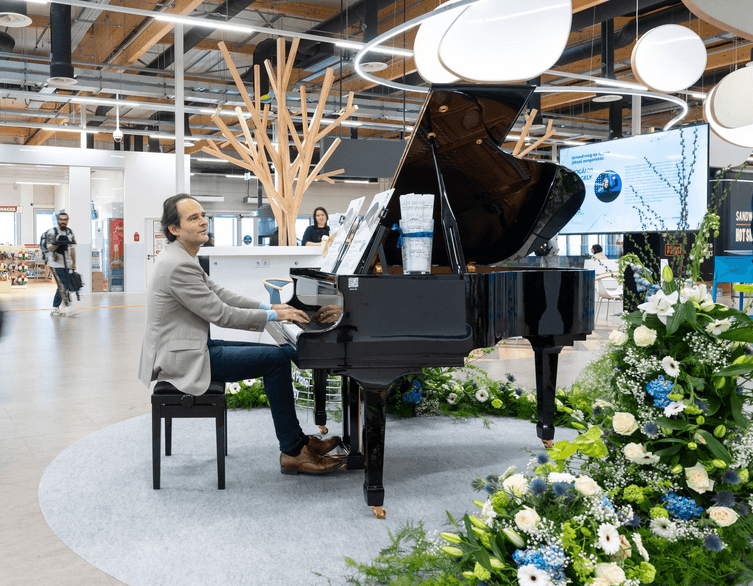
World Piano Day at Budapest Airport: Where Your Journey Begins With Live Music
Imagine this: you’re rolling your suitcase through the terminal, coffee in hand, mentally running through your packing list — and then, out...
Budapest Celebrates György Kurtág’s 100th Birthday: A Musical Milestone You Can’t Miss
Budapest is alive with the magic of music this February, honoring György Kurtág’s 100th birthday — a composer whose profound works...
Related events