Budapest’s Taxi Scene Is Getting a Major Upgrade — Here’s What Tourists Need to Know
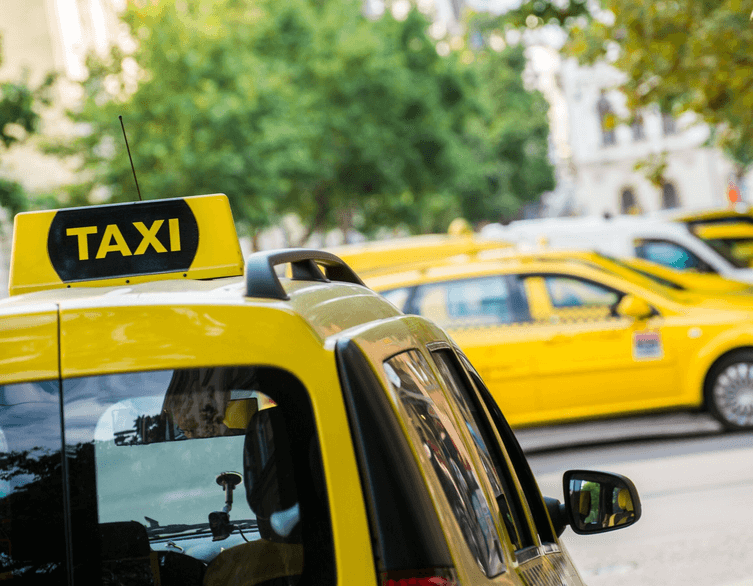
Budapest is a city that never stands still, and in 2026, that spirit of constant improvement is very much alive in its taxi infrastructure. The Budapest Transport Centre (BKK) has announced a significant expansion of its ongoing taxi stand renovation program, bringing cleaner markings, more durable surfaces, and brand-new parking bays to the Hungarian capital. Whether you’re hopping in a cab after a night out in the ruin bars of the Jewish Quarter or heading to the airport after a whirlwind city break, the changes unfolding across the city are designed to make the whole experience smoother and more reliable — for both drivers and passengers.
A City-Wide Renovation in Full Swing
The joint taxi stand renovation program run by BKK and Budapest Roads (Budapest Közút) kicked off in 2024 with a clear mission: get Budapest’s taxi infrastructure up to modern standards, with well-marked, highly visible, and longer-lasting road markings across the city’s extensive network of stands. Budapest currently operates 301 taxi stands citywide — a number that reflects just how deeply embedded cab culture is in a metropolis of nearly two million people.
In 2025, 52 of those stands received fresh road markings, but the headline upgrade was the introduction of thermoplastic technology at 26 locations. Unlike traditional solvent-based paint, which fades and chips under the relentless pressure of traffic, frost, rain, and Budapest’s occasionally brutal winters, thermoplastic coatings are heat-hardened during application and bond deeply with the road surface. The result is a marking that resists both mechanical wear and weather extremes far better than its predecessor, staying crisp and visible for considerably longer and reducing the frequency of maintenance callouts.
What’s Happening in 2026
Building on last year’s progress, 2026 is shaping up to be the most ambitious year of the program so far. In March alone, 28 taxi stands are receiving out-of-cycle renovations, with thermoplastic markings applied at 27 of those locations. Later in the year, a further 56 stands are scheduled for refurbishment — 37 of them getting the premium thermoplastic treatment, while the remaining lower-traffic stands will receive upgraded solvent-based markings suited to their usage levels.
When you add it all up, 84 taxi stands will be renovated in 2026, representing roughly one third of the entire Budapest network. On top of the resurfacing work, inspections carried out in January and February have flagged an additional 68 locations where markings may need attention before the year is out — and BKK has committed to monitoring all of them regularly, ordering repairs whenever the condition of any stand falls below standard.
Best deals of Budapest










New Stands Opening This Year
Beyond renovation, the network is also growing. In the first quarter of 2026, two entirely new taxi stand locations are being created by decision of the Budapest Metropolitan Assembly, adding 12 new parking bays to the network. While it might not sound like a dramatic number, in a dense city center where curb space is fiercely contested, a dozen well-placed, clearly marked taxi bays can make a real difference to how efficiently the whole system flows — particularly around busy tourist areas, major transport hubs, and event venues.
A Word of Warning for Tourists: Always Use the App
Here’s the part of Budapest’s taxi scene that doesn’t make it into the official press releases, but absolutely needs to be said to any visitor: never, ever hail a taxi off the street in Budapest. This is one of the city’s most persistent tourist traps, and it catches out visitors every single year. Rogue drivers — sometimes called “taxi hyenas” locally — actively target foreign tourists, particularly around Keleti Railway Station, the airport, and the busiest party streets. Common scams include inflated fares many times the legal rate, POS terminal fraud where the driver enters an extra zero into the payment amount while covering the screen, and even currency switching from Hungarian forints to Swiss francs mid-transaction, generating eye-watering additional charges.
The good news is that avoiding all of this is genuinely simple. Download one of the taxi apps before you arrive — it works just like Uber or Lyft, shows you an upfront fare estimate, and connects you with licensed, regulated drivers. Bolt is the dominant ride-hailing platform in Budapest since Uber no longer operates in Hungary in its traditional form. The official base fare across all regulated Budapest taxis is 1,100 HUF, with 440 HUF per kilometer, so any quote that looks wildly different from that should raise an immediate red flag. Főtaxi is another trustworthy option, widely used and even the official taxi service at Budapest Ferenc Liszt International Airport, where they operate dedicated kiosks for booking rides.
If you ever find yourself unsure whether you’re being overcharged, you can reach the Budapest Tourist Police at +36 1 438 8080, and always ask for a receipt — in Hungarian, “Kérek egy számlát”. Stick to the app, and you’ll have a smooth, fairly priced ride every time.
Why This All Matters for Your Visit
The ongoing investment in Budapest’s taxi infrastructure is part of a broader effort to make the city more visitor-friendly and to restore trust in a sector that has historically struggled with its reputation. Well-marked, clearly identifiable taxi stands make it easier for tourists to find legitimate, regulated cabs — and harder for unlicensed operators to blend in. Combined with the growing dominance of app-based booking, the city is gradually making the “taxi hyena” problem a thing of the past.
So next time you’re standing outside St. Stephen’s Basilica after dinner, or spilling out of the Great Market Hall with more paprika than you can reasonably carry home, know that getting a safe, honest, and fairly priced taxi in Budapest has never been easier — as long as you keep your phone handy and resist the urge to wave down whoever pulls up at the curb.
Related news

Ride the Future: Self-Driving Robotaxis Hit Budapest Streets in 2026
Imagine zipping through Budapest’s iconic streets in a driverless taxi—no wheelman chatting about the best ruin bars, just smooth, silent...
A Major Change at Budapest Airport: Főtaxi and Uber Join Forces for Smarter Travel
If you’re planning a trip to Budapest soon, there’s exciting news waiting for you right after you land. From 2025 onwards, travelers arriving...
Budapest Cracks Down on Illegal Taxi Scams: Major Raid Targets Tourist-Focused Fraud
Budapest has taken decisive action against illegal taxi operations that specifically target unsuspecting tourists, with authorities conducting a...
Budapest’s Taxi “Hyenas” Are Getting Creative: New Scams Target Tourists (And Someone Actually Left Their Grandpa Behind!)
Well, well, well. Just when you thought Budapest’s taxi situation couldn’t get any more entertaining, the city’s notorious taxi...

Getting Around With Taxis Just Got Easier!
The city’s taxi companies are stepping up their game to cater to the growing number of international tourists visiting the Hungarian capital....