Budapest Is Going Electric: New Electric Articulated Buses Are Hitting the Streets This Spring
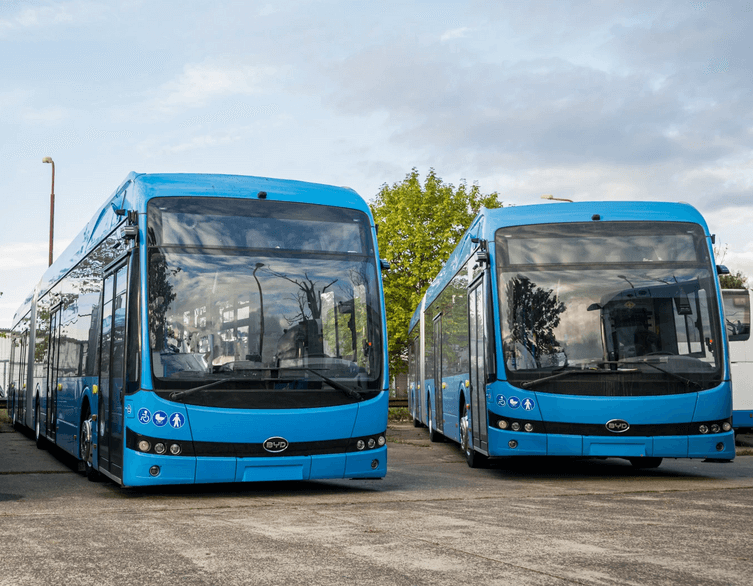
If you’re planning a visit to Budapest in the coming months, you’re in for a treat — and not just because of the city’s stunning architecture and vibrant café culture. Budapest’s public transport network is in the middle of a major green transformation, and the latest chapter is about to unfold right before your eyes. The Hungarian capital is rolling out its first electric articulated buses, and the streets are already buzzing with excitement.
The Big News: April 1st Is No Joke
Mark your calendars, because on April 1, 2026, five brand-new electric articulated buses will officially enter service in Budapest — and this is very much not an April Fool’s prank. These sleek, modern vehicles are manufactured by BYD, one of the world’s leading electric vehicle producers, and they’ll be making their debut on the 8E bus line. The buses are currently being tested by BKK (Budapest’s Centre for Transport) and its service partner, ArrivaBus Kft., to make sure everything runs smoothly and safely before passengers step on board.
But five buses are just the beginning. By May 1, 2026, a further 15 electric articulated buses will join the fleet, bringing the total number of new electric articulated vehicles in service to 24 within just the first few months. The rollout is happening in two phases under the service agreement between BKK and ArrivaBus Kft., and the whole process is being carefully managed to ensure reliability from day one.
Budapest Becomes Hungary’s Electric Bus Capital
The numbers behind this project are genuinely impressive. By 2027, a total of 82 brand-new, fully electric buses — 58 solo vehicles and 24 articulated ones — will be operating across the city. When the full fleet of articulated electric buses is in service, Budapest will run the largest electric articulated bus fleet in the entire country. In other words, Budapest isn’t just keeping up with European green transport trends — it’s leading the way in Hungary.
This is all part of an even bigger picture. BKK has ordered more than 330 diesel and electric buses to arrive in Budapest by 2027. As a result, nearly 90 percent of the city’s entire bus fleet will consist of modern Euro 5 or cleaner vehicles. That’s a massive shift, and it translates into around 8,000 tonnes less harmful emissions released locally into Budapest’s air every single year — a genuine win for residents and visitors alike.
Best deals of Budapest









It’s worth noting that this electric revolution didn’t start overnight. The first solo electric buses already appeared on Budapest’s streets back in December 2025, quietly proving their worth on lines 105 and 210. The articulated models now joining them represent the natural next step in what is clearly a determined, long-term commitment to cleaner, greener urban transport.
A Smarter, Safer, and More Comfortable Ride
Beyond being electric, these new BYD buses are packed with features designed to make every journey more comfortable, accessible, and safe. They are low-floor vehicles, which makes boarding and alighting significantly easier — especially for elderly passengers, those with reduced mobility, wheelchair users, and parents travelling with prams. There’s also dedicated spacious priority seating areas thoughtfully designed for those groups, and the buses are even equipped to carry bicycles, making them a great option for visitors who want to combine cycling with public transport.
On the technology front, the buses come loaded with modern driver assistance systems, including blind-spot monitoring and driver fatigue detection — features that meaningfully contribute to road safety. Air conditioning keeps the cabin comfortable in all seasons, onboard cameras provide an added layer of security, and multiple USB charging points mean you can keep your phone topped up while you travel around the city. Whether you’re heading to a museum, a ruin bar, or a thermal bath, you can arrive with a full battery — both you and your phone.
What This Means for Tourists Visiting Budapest
For foreign visitors, Budapest’s public transport network — which includes the metro, trams, trolleybuses, suburban railways, and of course buses — is one of the most practical and affordable ways to get around the city. A single travel card covers all of these, and the network is extensive enough to reach most of the major sights comfortably.
The arrival of these new electric buses makes choosing public transport an even easier decision. Cleaner air, quieter rides, modern amenities, and improved accessibility all add up to a noticeably better experience. If your itinerary takes you along the 8E line this spring, you may well find yourself aboard one of these newly launched vehicles — a small but satisfying reminder that Budapest is a city that takes both its visitors and its future seriously.
Related news
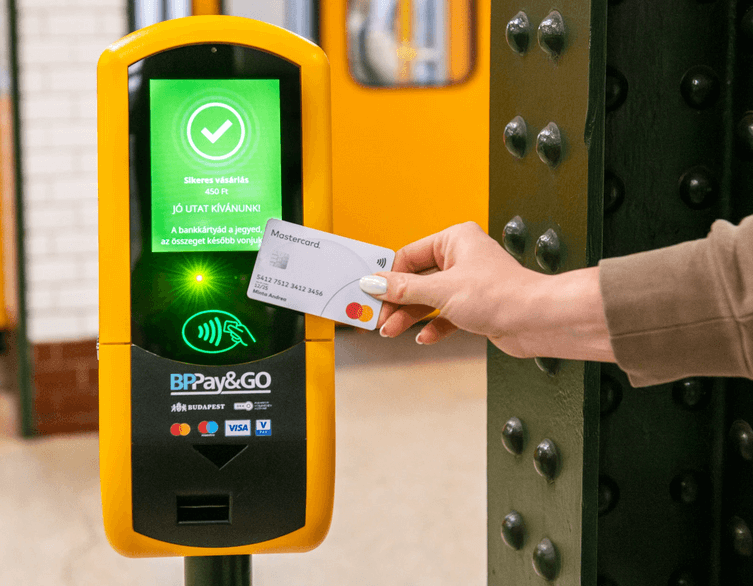
Tap and Go: Budapest Is Making Public Transport Easier Than Ever for Visitors
If you’ve ever arrived in Budapest, bleary-eyed after a long flight, and found yourself fumbling with unfamiliar coins at a metro ticket machine,...
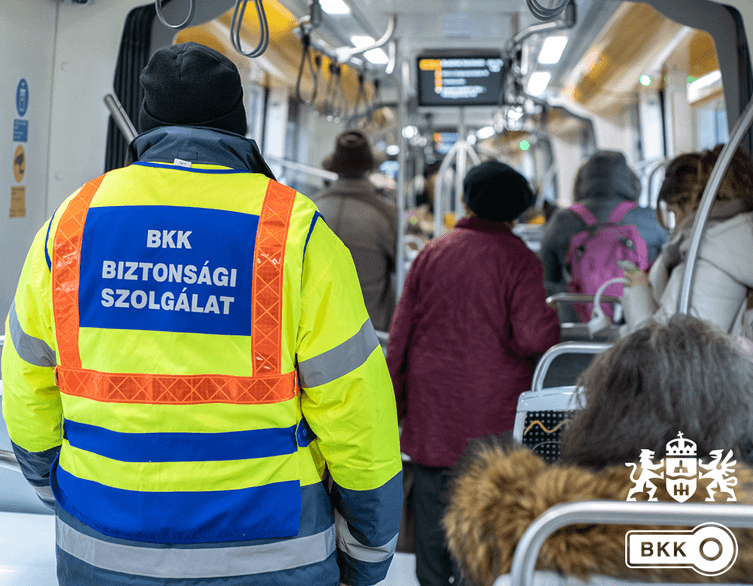
Safer Public Transport in Budapest: What Tourists Should Know About BKK and Police Checks in 2026
If you are planning to explore Budapest by tram, metro, or bus, there is some reassuring news from the city’s transport network. Budapest has been...
BKV Treasures: Perfect Souvenirs for Budapest’s Transport Lovers
Picture this: you’ve just stepped off a rattling yellow tram in Budapest, your kids buzzing with excitement from their metro adventure, and...
Budapest’s New Electric Buses: A Greener Ride for Tourists
Budapest is rolling out its first fleet of modern electric buses ahead of schedule, making public transport smoother, quieter, and more eco-friendly...
Budapest Takes a Leap into Green Transport: Welcome the City’s New Electric Articulated Buses
A New Chapter for Budapest’s Public Transport Imagine zipping through Budapest on a sleek, environmentally friendly bus that not only whispers...
BKK Introduces Combined Tickets for the Buda Castle Funicular and Danube Cruises
Foreign visitors to Budapest now have an exciting new way to immerse themselves in the city’s iconic landmarks. Starting March 1, a combined ticket...