Budapest Is Getting Greener: Over 560 New Trees Planted Across the City This Spring
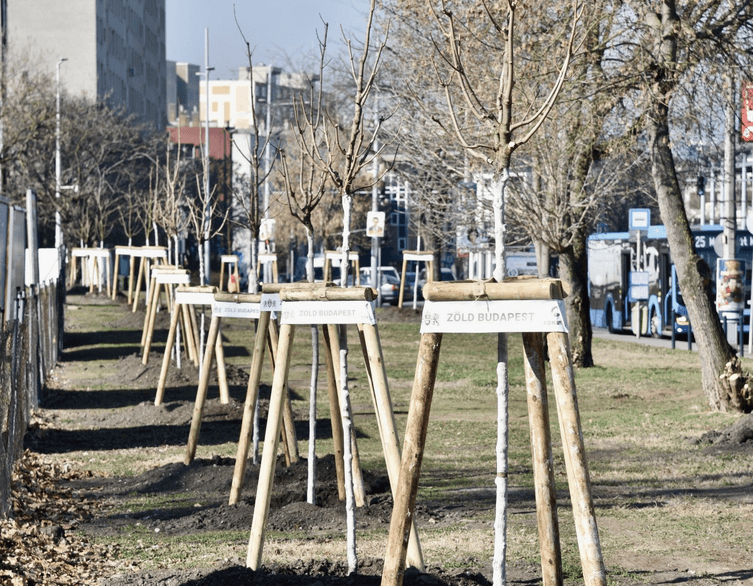
If you’re visiting Budapest this spring, you might notice something fresh in the air — and not just the warmer temperatures. The city is in the middle of an ambitious tree-planting initiative, with more than 560 new trees going into the ground across Budapest by the end of March 2026. But this isn’t just business as usual. The city has introduced a brand-new planting protocol that’s quietly changing the way urban trees are grown and cared for here.
A City That Takes Its Green Spaces Seriously
Budapest has always been a city that balances grand architecture with lush greenery. From the sweeping paths of City Park (Városliget) to the leafy promenades along the Danube, trees are woven into the fabric of everyday life here. This latest initiative reflects a growing commitment to making Budapest not just more beautiful, but genuinely more livable — cooler in summer, cleaner in the air, and more welcoming for both residents and visitors alike.
The timing is no coincidence. Spring is the ideal window for planting after the winter frosts have passed, giving new trees the best possible start before the heat of summer sets in. And this year, Budapest’s urban foresters are doing things a little differently.
Best deals of Budapest










What’s Actually New About These Trees?
At first glance, you might not realize anything has changed. But look a little closer, and the clues are there — especially if you spot a freshly planted tree with a bright white-painted trunk. That’s one of the most visible signs of the new approach, and it serves a very practical purpose: the white paint protects the bark from sunscorch, a condition where intense sunlight causes the bark to dry out, crack, and peel away, leaving the tree vulnerable to pests and disease. It’s a simple trick, but an effective one.
The changes go much deeper than a coat of paint, though. The planting pits themselves have been significantly enlarged — where space allows, they now measure at least 2 by 2 meters across and 1.2 meters deep. This gives roots far more room to spread and establish themselves in the often-challenging urban environment. The soil is also carefully assessed before each planting: if it’s not up to scratch, it’s either fully replaced or improved with a specially prepared structural soil mix that blends humus-rich earth with slag and compost. The result is a growing medium that resists compaction and retains water far more effectively than standard city soil.
Smarter Support, Healthier Roots
Another change you might notice is the way the support stakes are positioned. Rather than being driven straight into the ground, they’re now angled outward in a splayed formation. This provides greater stability against wind and storm, while also creating a larger “tree saucer” — the shallow basin of soil around the base of the trunk. A wider saucer means more surface area to absorb water during irrigation, which is crucial for helping a young tree survive its first few summers in the city.
Alongside the new staking method, each tree is given a ground cover treatment at the time of planting. This might be composted organic material, wood chip mulch, mineral mulch, or even a wildflower seed mix. The ground cover keeps moisture in the soil, reduces weeds, and gradually feeds the tree with nutrients as it breaks down. Some of the wildflower-covered tree bases are genuinely pretty to look at — a small but charming detail that adds a touch of color to Budapest’s sidewalks.
Where to Spot the New Trees
If you want to see these newly planted trees for yourself, head to Nagy Lajos király Road in the 14th district, or Árpád Road in the 4th district — both are good examples of where the new protocol has been applied. You can also find freshly planted trees at Pope John Paul II Square in the 8th district, a central and easily accessible spot that’s worth a visit on its own.
Of course, these are just a few highlighted locations. As you explore the city — whether you’re wandering through the historic streets of the Jewish Quarter, cycling along the Danube promenade, or heading out to the hills of Buda — keep an eye out for young trees with white-painted trunks and neatly mulched bases. They’re part of a quiet transformation happening across the whole city, one tree at a time.
A Greener Budapest for Future Visitors
Urban trees do far more than look nice. They shade pedestrians on hot summer days, improve air quality, reduce the heat island effect that makes city centers uncomfortably warm, and provide habitat for birds and insects. For a city that welcomes millions of tourists every year, investing in a healthier urban forest is an investment in the overall experience of being here.
The new planting methods are designed to give each tree a significantly better chance of long-term survival in the tough conditions of city life — compacted ground, limited water, pollution, and the stress of urban heat. If the approach proves successful, it sets a new standard for how Budapest grows and maintains its green canopy going forward.
So next time you’re strolling down one of Budapest’s broad boulevards or cutting through a neighborhood square, take a moment to notice the trees. Some of them are brand new, carefully planted with more care and expertise than ever before — and they’ll be here, growing quietly, long after your visit is over.
Related news
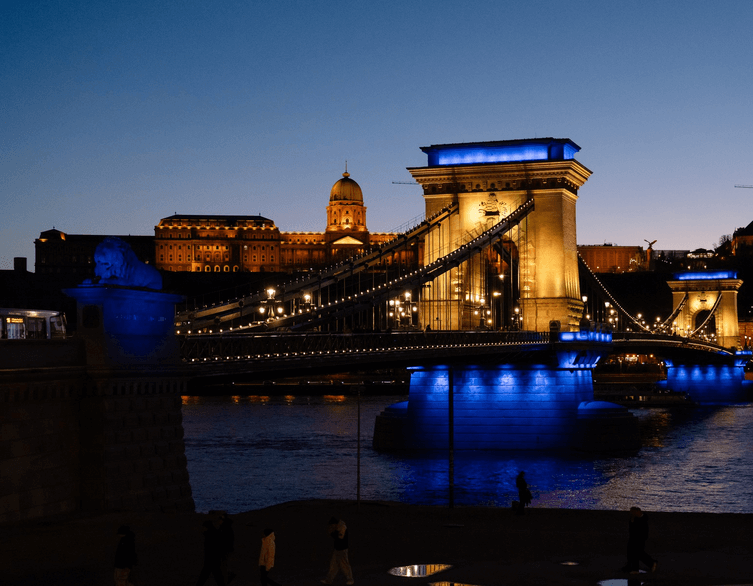
Budapest Wins Global Urban Excellence Award — Here’s Why This City Keeps Surprising the World
If you’ve ever strolled along the Danube Embankment on a sunny weekend, hopped on one of Budapest’s iconic yellow trams, or navigated...
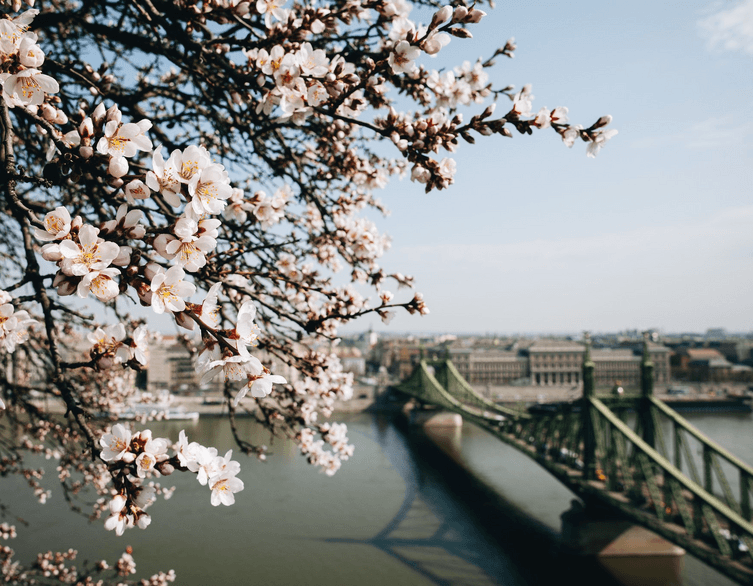
Budapest in Bloom: The Ultimate Guide to Japanese-Themed Spring Experiences for Tourists in 2026
Spring in Budapest is a quietly spectacular thing. One morning you’re bracing against a March chill, and the next, the city’s parks and...
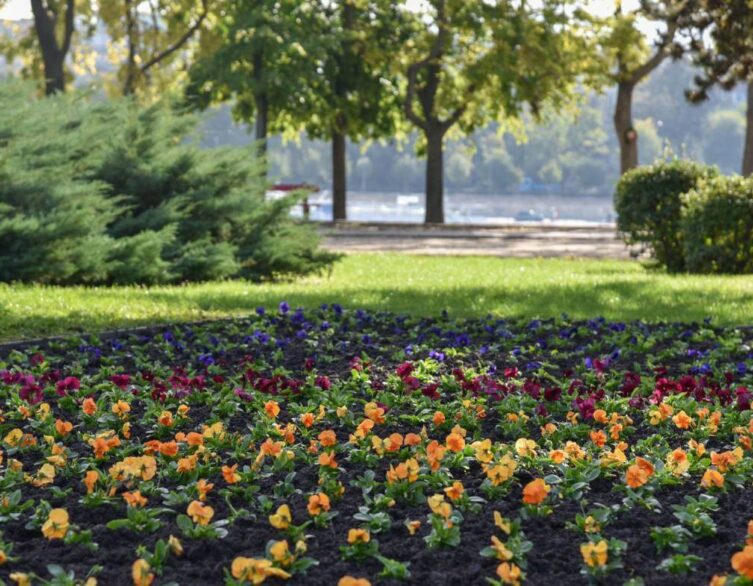
Budapest’s Parks Are Waking Up for Spring — And They’ve Never Looked Better
The City Is Getting Its Green Spaces Ready for You Spring in Budapest doesn’t just happen — it’s carefully prepared. While you’re...
Károlyi Garden: Budapest’s Secret Oasis Among Europe’s Most Beautiful Parks
Hidden behind imposing iron gates in Budapest’s Fifth District lies a green sanctuary that recently earned recognition from The Guardian as...
Top Ten Parks for a Picnic in Budapest
Budapest is a city that truly comes alive in springtime. As the days grow warmer and longer, locals and visitors alike seek out inviting green spaces...