Brighter Evenings Ahead: Hungary’s Daylight Saving Time Arrives a Day Earlier in 2026
If you’re visiting Budapest this spring, prepare for longer, golden evenings filled with late sunsets, café chatter, and walks along the Danube. Hungary’s daylight saving time begins a day earlier than usual in 2026 — a small but welcome shift that brings those long, light evenings back sooner than you might expect.
When the Clocks Move Forward
In 2026, daylight saving time in Hungary begins on Sunday, March 29, when the clocks move forward from 2:00 a.m. to 3:00 a.m. That means we lose one hour of sleep, but gain brighter evenings — and with them, countless new opportunities to enjoy the city before night falls.
Don’t worry about adjusting your phone or watch: most modern devices, including smartphones, laptops, and smartwatches, automatically update. For anything more traditional — like your camera, analog watch, or travel alarm clock — you’ll simply need to move the time forward one hour yourself.
The Return of Long Budapest Sunsets
Following the clock change, sunset in Budapest on March 29 will fall at 7:09 p.m., according to Time and Date’s astronomical data. By mid-April the sun will set closer to 8 p.m., and by early May, after May 6, visitors can expect sunsets just after 8:00 p.m. Imagine sipping wine on a terrace near the Fisherman’s Bastion or listening to street musicians in the Jewish Quarter as the sky glows pink well into the evening — that’s the magic of springtime in Budapest.
Best deals of Budapest










As the days lengthen toward the summer solstice, the city transforms. Locals linger longer on outdoor terraces, the Danube embankments fill with cyclists and rollerbladers, and evening cruises become one of the best ways to experience the illuminated bridges and Parliament.
A Long Season of Light
Daylight saving time will remain in effect until October 25, 2026, when Hungary switches back to winter time, turning clocks backward from 3:00 a.m. to 2:00 a.m. That gives travelers nearly seven full months to enjoy the beauty of Hungary’s extended evenings — from the spring bloom in City Park to warm August nights under the Buda Castle lights.
Although the European Union once debated abolishing daylight saving altogether, the policy remains in place for now. In Hungary, the shift continues to mark the joyful arrival of spring, reminding locals and travelers alike that sunshine — and patio season — are here to stay.
So if you’re planning your 2026 visit to Budapest, pack your sunglasses and schedule your sightseeing with those late nights in mind. The city after sunset is one of Europe’s great pleasures — and this year, you’ll get to enjoy it just a little earlier.
Related attractions
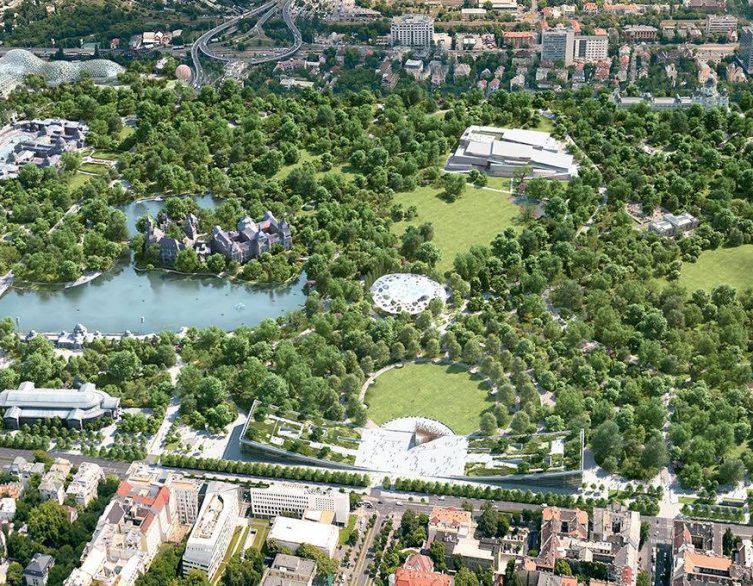
Városliget: Budapest’s Green Oasis for Nature and Culture
Nestled in the heart of Budapest, Városliget (City Park) stands as a verdant oasis, offering a refreshing escape from the bustling city life. Right...

Buda Castle: A timeless icon of Hungarian history in Budapest
Nestled on the western bank of the majestic Danube River in Budapest, Hungary, lies a place that resonates with centuries of history, culture, and...