Tension in the Thermal Waters: How the Gellért Spa’s Closure Shook Budapest’s Bath Culture
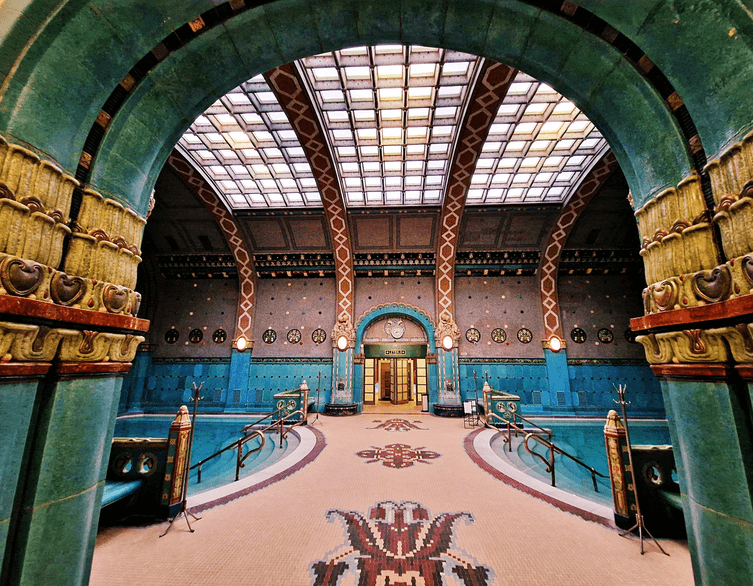
Few places in the world are as famous for their thermal spas as Budapest. Steaming pools under grand domes, art nouveau tiles, and centuries of bathing tradition have long made them a favorite for both locals and travelers. But lately, the city’s bath culture has found itself in hot water—literally and politically. Since the unexpected closure of the Gellért Spa, Budapest’s spa scene has faced a wave of challenges that unsettled tourists and locals alike.
The Sudden Goodbye to Gellért
When the Gellért Spa shut its doors on October 1 for a long-delayed renovation, few expected the works to last until 2029. According to the head of the company operating Budapest’s historic baths, the decision was unavoidable. The Gellért hadn’t been renovated since the 1970s, and daily maintenance issues had become unsustainable.
The problem is that the Gellért’s closure coincided with two other historic baths—the Király and the Rác—also being out of operation. As a result, tourists have been flocking to smaller, local favorites, often unaware of long-standing bath etiquette. The mix of unfamiliar customs, crowded pools, and rising tensions has turned once-tranquil spaces into scenes of cultural friction.
Locals Feel the Squeeze
At the riverside Veli Bej Bath, regulars have noticed a clear change. On a recent evening, the “bath full” sign hung at the entrance while would-be visitors waited outside. At the nearby Rudas Bath, frustration reached a boiling point after the operating company reduced the number of single-gender bathing hours. A petition from female visitors demanded their return, arguing that the new timetable favored tourist traffic over tradition.
For many long-time bathgoers, the changes feel like a symbolic shift. “They only see the numbers, not the culture,” said one daily visitor. In response, management later reinstated two of the four single-gender days, promising to balance tradition with accessibility.
Best deals of Budapest









Baths or Business?
Behind the cultural clash lies a financial story. The operator responsible for six historic baths has increased ticket prices significantly in recent years to meet growing demand. Today, a weekend visit to the city’s best-known thermal complex costs roughly 14,000 forints, a steep climb compared to a few years ago. Last year, profits approached twenty million US dollars, making the thermal baths one of Budapest’s most lucrative public services.
However, critics argue that the focus on revenue risks distorting what these places truly represent. As the city’s historic bathhouses fill up with more international visitors, locals feel that their daily rituals—quiet mornings, gender-specific traditions, even familiar social rhythms—are slowly disappearing.
Politics in the Steam
Complicating matters further are the ongoing tensions between city and national authorities. Since control of the capital shifted in 2019, relations have grown strained, and the government has increased the city’s mandatory financial contribution to the national budget. This year alone, that sum accounts for about one-fifth of Budapest’s total budget, according to city leaders.
Local officials argue that such policies make it nearly impossible to fund renovations for historic sites like the Rác Bath, which has remained closed for more than two decades. They claim that bureaucratic hurdles and political considerations are holding up redevelopment projects that could protect Budapest’s bathing heritage for future generations.
What Lies Ahead for Bath-Loving Travelers
For visitors eager to soak in Budapest’s thermal waters, the situation is complex but far from discouraging. The Széchenyi, Rudas, and Veli Bej baths continue to operate, offering unforgettable spa experiences with centuries of history, stunning architecture, and naturally warm spring water. Travelers should, however, expect bigger crowds and occasional entry limits, especially during weekends and holidays.
Despite the recent upheaval, Budapest’s baths remain symbols of relaxation, community, and cultural continuity. Beneath the vaulted ceilings and in the gently steaming waters, this tradition continues to thrive—proof that even amid politics and profit, the spirit of the thermal baths endures.
Related news
Budapest’s Thermal Baths in 2026: Prices, Opening Hours and a Christmas Market Surprise
Budapest, Spa Capital with a Small Price Bump Budapest’s famous thermal baths remain one of the city’s biggest highlights, especially in winter,...

Budapest’s Historic Rudas Baths Find Balance: Traditional Bathing Days Return with Modern Flexibility
Budapest’s thermal bath scene has been making headlines recently, and not just because of the stunning architecture or healing waters. The...
Gellért Thermal Baths Renovation: Panoramic Danube Views and Restored Art Nouveau Splendor Coming 2028
Budapest’s beloved Gellért Baths will close its doors on September 30, 2025, marking the beginning of the most ambitious thermal bath renovation...