Parking in Budapest During Easter: What Visitors Need to Know
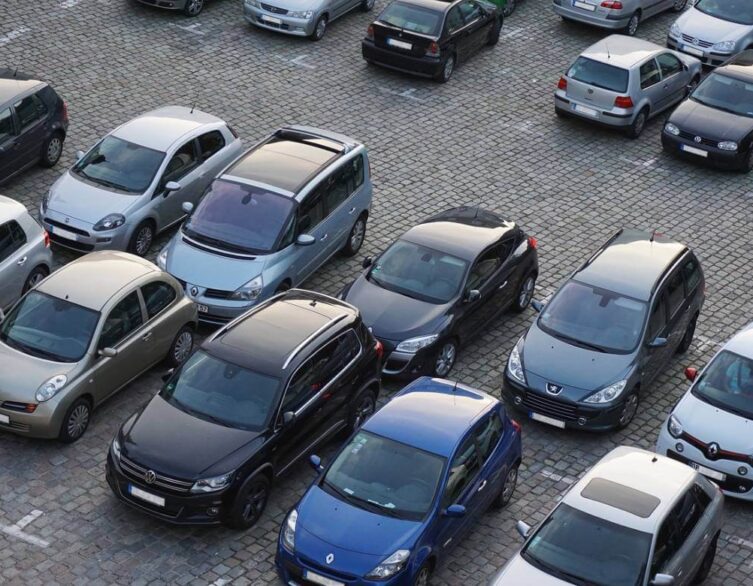
If you’re planning to explore Budapest by car over the Easter holiday, you’re in for a pleasant surprise — at least when it comes to finding a spot. Good Friday falls under Hungary’s public holiday parking rules, which means that the vast majority of on-street paid parking zones across the city become free of charge for the day. For tourists navigating an unfamiliar city, that’s one less thing to stress about.
Where Parking Is Free
Under the holiday parking scheme, most of Budapest’s color-coded on-street parking zones suspend their usual fees on Good Friday. This applies across a wide range of neighborhoods, making it a great opportunity to park up and wander through areas you might not have explored on foot yet — whether that’s the ruin bar district in the seventh, the Great Market Hall area, or the leafy streets of Óbuda.
Where You Still Need to Pay
That said, a few key locations remain paid zones even on public holidays, and these tend to be exactly the spots tourists are most likely to visit. The Buda Castle District and the area around the Citadel stay in effect with their usual charges, given how heavily trafficked these iconic hilltop attractions are year-round. The northern section of Margaret Island is another exception, so if you’re driving up for a walk along the Danube, make sure you have payment sorted.
It’s also important to remember that enclosed, barrier-operated car parks and shopping center garages follow their own pricing policies entirely separately from the public holiday rules. If you’re pulling into a multi-story garage or a park-and-ride facility, standard rates will apply regardless of the date.
Paying for Parking With Your Phone
If you do end up in one of the paid zones, the good news is that you don’t need to hunt for coins or queue at a parking meter. Two well-established parking apps work seamlessly in Budapest and are fully available in English, making them ideal for foreign visitors.
Best deals of Budapest









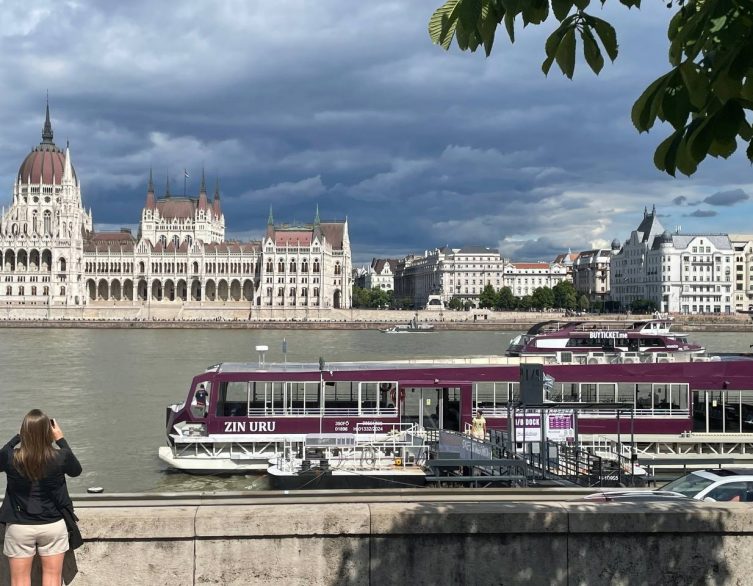
Parkl is the go-to choice for navigating Budapest’s parking system. The app automatically detects the parking zone you’re in based on your GPS location, so you never need to look up zone codes manually. Payment is charged to your pre-registered bank card at the end of your session, meaning you only pay for the exact time you use — no overpaying, no blocked amounts on your card. Beyond on-street parking, Parkl also covers off-street garages and even EV charging stations across Budapest and the wider region.
EasyPark is the other excellent option, especially if you’ve already used it elsewhere in Europe. It’s the number one parking app on the continent in terms of coverage, available in over 20 countries and fully supported in English. The app lets you start and stop your parking session with a single tap, sends you notifications before your parking is about to expire, and allows you to extend your session remotely without returning to your car. If you’re a frequent traveler, EasyPark’s biggest advantage is that the same account works across dozens of European cities, so there’s no need to keep signing up for new services every time you visit somewhere new.
For both apps, the process is refreshingly simple: open the app when you arrive, confirm your location and license plate, start the session, and stop it when you leave. No receipts, no meters, no risk of a fine because you underestimated your time.
Tips Before You Park
The golden rule is to always check the signage at your specific location before walking away from your car. Parking rules in Budapest can vary by district, and holiday exemptions don’t always cover every zone uniformly. When in doubt, the BKK (Budapest Transport Centre) website and the city’s official parking operator pages offer reliable, up-to-date guidance. A quick two-minute check before you set off can save you from coming back to an unexpected fine.
Easter is a wonderful time to discover Budapest at a more relaxed pace. With free parking available in most areas of the city and easy app-based payment where it isn’t, getting around by car is far more straightforward than you might expect — just keep those handful of paid exceptions in mind, and you’re good to go.