On Track to the Future: Budapest’s Long-Awaited Airport Express Train Is (Finally) Coming
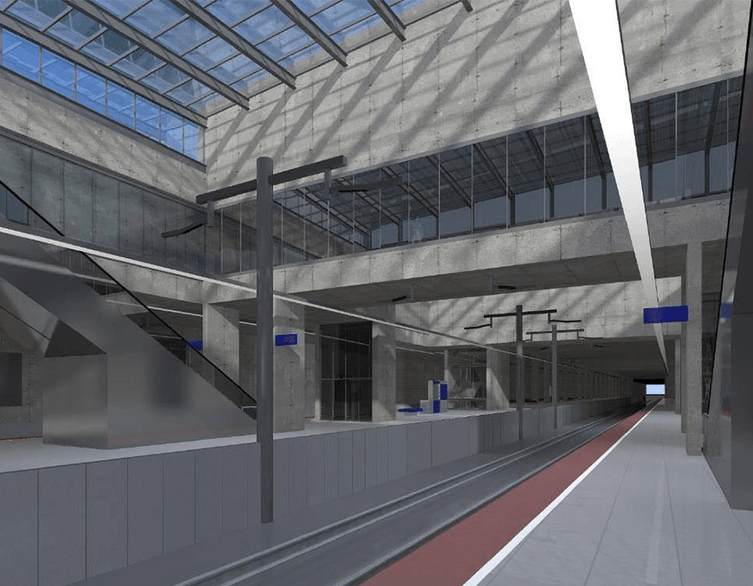
Anyone who’s battled Budapest’s airport road traffic, nervously watching the clock tick closer to boarding time, knows the struggle all too well. But here’s some genuinely uplifting news for travelers and locals alike: plans for the long-discussed airport express railway are finally moving from blueprint to reality. Within just a few years, reaching Liszt Ferenc International Airport could be as simple — and smooth — as hopping on a direct city train.
After decades of debate, missed connections, and hopeful sketches, Hungary’s government has declared the project a strategic national priority. The goal is ambitious: not only to link the airport to central Budapest with a fast, reliable rail line but also to turn the capital into a key Central European transport hub by 2030.
Best deals of Budapest










Why Now — And Why It Matters
In 2025, Budapest Airport handled over 19.5 million passengers. For a city eager to strengthen its role in tourism and logistics, an efficient connection between the terminal and the downtown area is no longer a luxury; it’s a necessity. Studies show that nearly half of those passengers — around 10 million travelers every year — would choose the train over car or bus travel if given the option.
And they’re not wrong. Anyone stuck on the congested Ferihegy highway knows that an airport trip can take anywhere from twenty minutes to an hour and a half — depending on the whims of traffic, weather, and pure luck. The September snowstorms and icy January roads only prove what locals have long suspected: rail-based travel isn’t just convenient; it’s dependable.
How the New Airport Railway Will Work
The plan unfolds in two main phases. The first stage, expected between 2030 and 2031, will see trains running every fifteen minutes between Kőbánya-Kispest and Budapest Airport. That alone will transform airport access and finally mark the end of overcrowded 100E buses.
The second stage, set for 2033–2034, will extend the line further toward Monor, expanding capacity so that trains could arrive as often as every six minutes. Even better, there’s a chance both phases could be built simultaneously under the proposed concession model — meaning that, with some luck, the entire system might open earlier than expected.
The Underground Station Beneath the Sky
The airport’s new rail station will be built underground, directly beneath the current “Holiday” parking area, just a short walk from the check-in halls. Picture it: you step off the train, grab your luggage, take a quick escalator ride, and within minutes you’re standing in front of the departure gates.
Construction will temporarily relocate around 160 parking spaces, but the airport’s operations are set to continue as usual. In fact, the project coincides with the development of the brand-new Terminal 3, which is expected to handle even greater passenger volumes in the coming years.
How Much Will It Cost — and You?
The estimated investment stands around one billion euros (about 400 billion HUF) and will operate under a concession model. In simple terms, a private investor funds the construction and maintenance in exchange for managing the system for 35 years. The Hungarian government will retain a 20% ownership stake, ensuring continued oversight while allowing international partners to bring in capital and expertise.
As for tickets, the fare will consist of a standard railway price plus a so-called “platform fee” — around 4,000 HUF (about 10 euros) — for passengers boarding or departing at the airport stop. It may sound hefty at first glance, but it’s still cheaper and far more predictable than taxis, and infinitely faster than sitting in traffic.
A Game-Changer for Hungary’s Railway Network
This project isn’t just about airport convenience; it promises to redefine Hungary’s entire rail map. The planned 27-kilometer line will integrate seamlessly into the national network, opening possibilities for direct routes that connect the airport not only to Budapest city center but also to other regions — including Kelenföld and even the Balaton area. Imagine stepping off a long-haul flight, grabbing a coffee, and boarding a “Balaton Express” that whisks you to the lakeside within an hour. That’s not science fiction anymore; it’s a future on track.
What Happens Next
The official call for investors is already live on the European Union’s platform, with applications open until mid-February 2026. Once proposals are reviewed, construction plans can move forward. If everything stays on schedule, Budapest’s long-awaited airport express could carry its first passengers by the end of the decade — finally erasing one of the biggest logistical headaches in Central European travel.
A Capital Ready to Connect
For now, the best advice is patience — but hopeful patience. When the first sleek, modern trains begin gliding from downtown Budapest straight to the Liszt Ferenc Airport terminals, it won’t just mark a new transport route. It will symbolize a capital city catching up with the rhythm of modern Europe.
So next time you find yourself bumping along in a cab or clutching your boarding pass on a crowded 100E bus, take comfort: the future of airport travel in Budapest is finally on track. And come 2030, your flight to adventure might just begin on the rails.
Follow Budappest.com on Facebook
Related news

Budapest Airport Made Easy: How to Use the 100E Airport Express Like a Local
If you are already dreaming of spring or summer in Budapest and busy booking flights, there is one thing you really do not have to stress about:...
Budapest Airport Turns 75 — and Breaks Records Along the Way
If airports could throw themselves a party, Budapest Airport just had an unforgettable one. The Hungarian capital’s gateway to the world...

Flying Through Budapest? What You Need to Know About the New Powerbank Rules on Lufthansa Flights
If you’re planning a trip to or from Budapest and flying with Lufthansa, Austrian Airlines, Swiss, Brussels Airlines, or...
Late-Night in Budapest? How the City Keeps You Moving from the Airport
If you’re arriving in Budapest late at night, especially after a long flight or a winter storm that’s shuffled schedules across Europe, here’s...

Update – Breaking News! Winter Weather Halts Flights at Budapest Airport
If you’re traveling to or from Budapest this week, you may have already noticed some disruptions at Ferenc Liszt International Airport. Due...
Update! Budapest Airport After the Snow: What Travelers Need to Know Right Now
When heavy snow falls across Budapest, the first place it disrupts is often Ferenc Liszt International Airport. On the morning of January 7,...

A Major Change at Budapest Airport: Főtaxi and Uber Join Forces for Smarter Travel
If you’re planning a trip to Budapest soon, there’s exciting news waiting for you right after you land. From 2025 onwards, travelers arriving...
EES Border Control System Transforms Travel Through Budapest Airport
If you’re planning a trip to Budapest from outside the European Union, there’s an important change you need to know about. Starting November...
Budapest’s Airport Fast Rail: A 20-Minute Link Between the City and the Sky
For many travelers, arriving in a new city begins with figuring out one crucial thing — how to get from the airport to the downtown area quickly...