Meet Manfred: Budapest’s New Bike-Sharing Service Filling the Gap Left by Bubi
If you’ve been planning a trip to Budapest and were counting on hopping on a city bike to explore the Hungarian capital, you might have noticed something unusual lately — the familiar Bubi bike-sharing docks sitting empty. Don’t worry, though, because a new player has just rolled into town, and it’s ready to get you pedaling through Budapest’s streets in no time.
What Happened to Bubi?
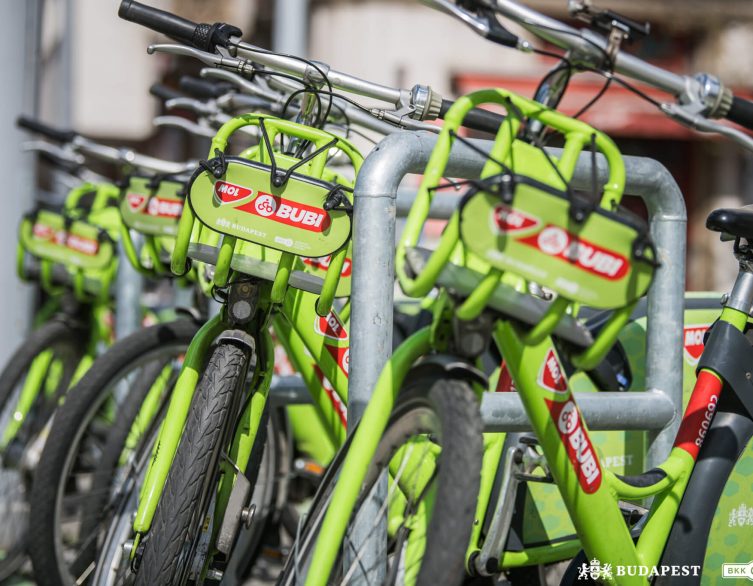
Budapest’s beloved public bike-sharing system, known as Bubi, has been on a so-called “spring break” since early March 2026. The city and BKK (Budapest’s public transport authority) took the existing Bubi 2.0 system offline to prepare for its much-anticipated successor, Bubi 3.0, which is expected to launch in early June 2026. The upgraded system will bring a significantly larger fleet — nearly double the size of its predecessor — and will include electric bikes for the first time under the BKK umbrella.
That’s great news for summer visitors, but it left a rather noticeable gap for anyone visiting Budapest in the spring. Mobi docking stations across the city stood quiet, and for a city as bike-friendly as Budapest, that felt like a real loss. Enter Manfred.
Who Is Manfred?
Manfred is a Budapest-based bike-sharing startup launched by Sense/Net, a local tech company. The timing of their arrival is no coincidence — they spotted the market gap created by Bubi’s temporary absence and moved quickly to fill it. What makes the story even more interesting is that Manfred’s fleet isn’t entirely brand new. A large portion of the roughly 1,400 bikes now appearing across Budapest are actually former Bubi bikes — the same trusty Csepel-made bicycles you may have ridden on a previous visit — just freshly rebranded with Manfred stickers.
Sharpest-eyed visitors may have already spotted them at Mobi docking stations around the city, looking familiar yet subtly different. It’s a clever and resourceful solution: rather than building from scratch, Manfred is leveraging the existing Mobi station infrastructure to get up and running fast, while also negotiating with individual city districts to expand the number of available docking points.
Best deals of Budapest










Electric Bikes Are Part of the Deal
One exciting addition that sets Manfred apart from the old Bubi 2.0 experience is the inclusion of electric bikes in the fleet. Some of these e-bikes come straight from a pilot program that Manfred ran in Budapest’s 2nd District starting in October 2025, while others are brand new additions. For tourists who want to tackle Budapest’s hillier areas — like the Buda side of the city, home to the Castle District and the scenic Gellért Hill — having an electric option is genuinely useful and opens up routes that might feel daunting on a regular bike.
How Much Does It Cost?
Manfred operates on a monthly subscription model, which is straightforward and affordable. A standard monthly pass for the mechanical bikes costs around 2,500 Hungarian forints, while a premium pass that also covers e-bike access is priced at approximately 5,000 forints. For context, the old Bubi 2.0 monthly pass was 1,500 forints, so there is a price increase, but the addition of electric bikes and a modernized service goes some way toward justifying it. Manfred is also planning to introduce an annual membership, priced at the equivalent of ten monthly passes — a solid deal for locals or long-stay expats, though perhaps less relevant for short-term visitors.
Manfred and Bubi: Rivals or Partners?
You might expect the two services to be fierce competitors, but Tamás Bíró, one of the founders of Sense/Net, has a different perspective. He believes Budapest could comfortably accommodate between 10,000 and 15,000 shared bikes across the city, while even the upgraded Bubi 3.0 fleet is expected to top out at around 5,000. In other words, there’s plenty of room for both to thrive. Manfred’s vision isn’t to steal Bubi’s thunder but to coexist with it — and crucially, to reach parts of the city that public bike-sharing hasn’t served well until now. Plans are already in motion to expand toward Budapest’s outer districts, areas that have historically been underserved by bike-sharing infrastructure.
What This Means for Tourists Visiting Budapest This Spring
If you’re visiting Budapest before Bubi 3.0 launches in June, Manfred is your go-to option for two-wheeled city exploration. The bikes are available at existing Mobi docking stations, which are spread across popular tourist areas and neighborhoods, making it easy to pick up a bike near your hotel or a major attraction and drop it off wherever your adventure ends. Whether you’re cycling along the Danube promenade, crossing one of Budapest’s iconic bridges, or venturing into the charming streets of the Jewish Quarter, having a bike at your disposal transforms the way you experience the city. Budapest is surprisingly bikeable, especially on the flat Pest side, and riding through it at your own pace is one of the most rewarding ways to discover hidden courtyards, street art, and local market squares that you’d never find on a tour bus.
So next time you pass a Mobi station and spot bikes that look oddly familiar, now you know the story — same great bikes, fresh new name, and a city still very much in love with cycling.
Related news