How Budapest Changed in 2025: A Year That Shaped the City
If you’ve been to Budapest before, you might notice that the city feels a bit different this time around. It’s not just the usual mix of thermal baths, ruin bars, and Danube views – 2025 has quietly reshaped the city in ways that matter to both locals and visitors. From a record-breaking Pride march to shiny new trams, from greener streets to a major shift in how the city thinks about transport and climate, this was the year Budapest decided to step up its game. And if you’re here now or planning a trip soon, it’s worth understanding what actually changed – because it affects how you’ll move around, where you’ll walk, and what kind of city you’re really experiencing.
Pride That Wouldn’t Be Silenced
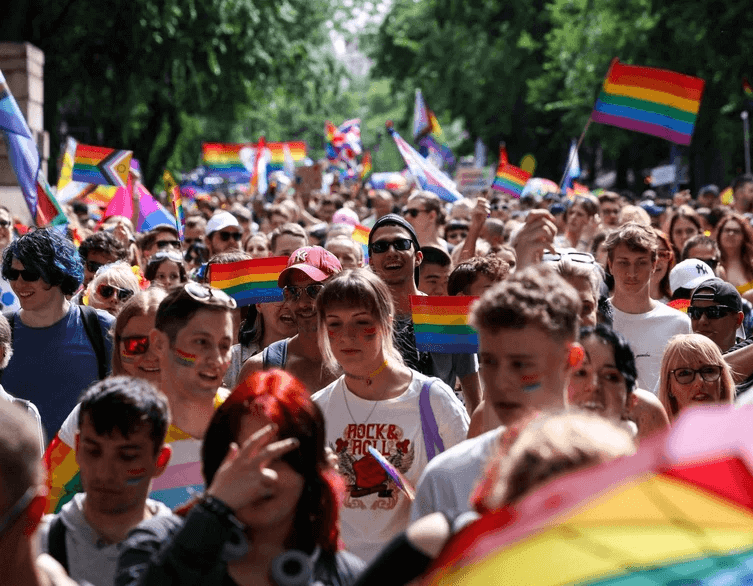
One of the most talked-about moments of the year was the Budapest Pride march. After the national government effectively banned the official event, the city stepped in and made sure it still happened as a municipal initiative. The message was clear: Budapest stands with its LGBTQ+ community, and it won’t back down when it comes to basic freedoms and the right to exist openly in public space.
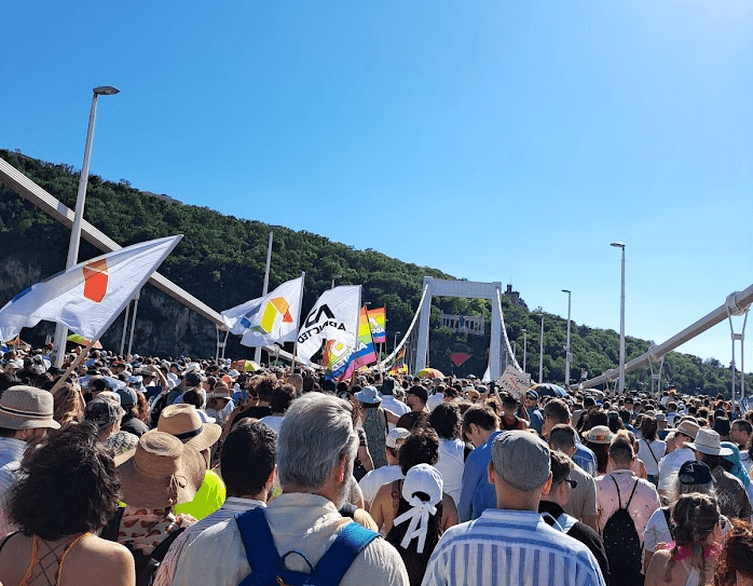
On June 28th, tens of thousands of people flooded the streets from City Park, across the Elisabeth Bridge, all the way to the Technical University. It wasn’t just a parade; it was a powerful, emotional statement about inclusion in a region where such events are still politically charged. For tourists, this might not seem like a big deal – Budapest has long been one of Central Europe’s more open capitals – but the fact that the city had to fight to keep Pride alive says a lot about the kind of values Budapest’s local leadership wants to protect.
If you’re in town during Pride season (late June/early July), it’s worth catching at least a bit of the atmosphere – whether that’s the main march, the parties, or the smaller cultural events around town. It’s not just a party; it’s a reminder that this city, for all its history and tradition, is also a place where people keep pushing for more openness and inclusion.
Rákosrendező: The Future of a Whole New District
Another change that will echo for decades is the city’s decision to buy Rákosrendező, a large green area on the eastern edge of Budapest often called the city’s “green gold.” Instead of letting it become another massive commercial development (think “Maxi-Dubai”), the city stepped in and purchased the land to ensure it becomes a livable, green neighborhood in the future.
A major international urban design competition has already started, with 16 teams shortlisted to create a vision for this area. The winner will be announced in spring 2026, and what happens here will shape how Budapest grows in the coming years. For visitors, this might not seem immediately relevant – but it’s a sign that the city is thinking long-term, not just about shopping malls and office towers, but about creating actual neighborhoods where people can live, not just work.
Nagykörút: The Grand Ring Road Gets a Makeover
If you’ve ever taken the tram around the Grand Ring Road (Nagykörút), you’ve probably noticed how chaotic and worn it can feel. In 2025, that finally started to change. A major EU-funded project kicked off to redesign this central artery, with the goal of making it safer, more pedestrian-friendly, and more pleasant for everyone.
A big design competition was held, and after some heated debate, the winning concept – nicknamed “Neonfényes Körút” (Neon-lit Ring Road) – was chosen. The idea is to give Nagykörút a modern, 21st-century identity while keeping its historic character. Over the next few years, expect to see better crossings, more greenery, improved public transport lanes, and a more coherent look and feel along this iconic route. For tourists, this means a more comfortable, less stressful way to move between major sights like the Opera, the Great Market Hall, and the Jewish Quarter.
A Nobel Win That Put Budapest on the Literary Map
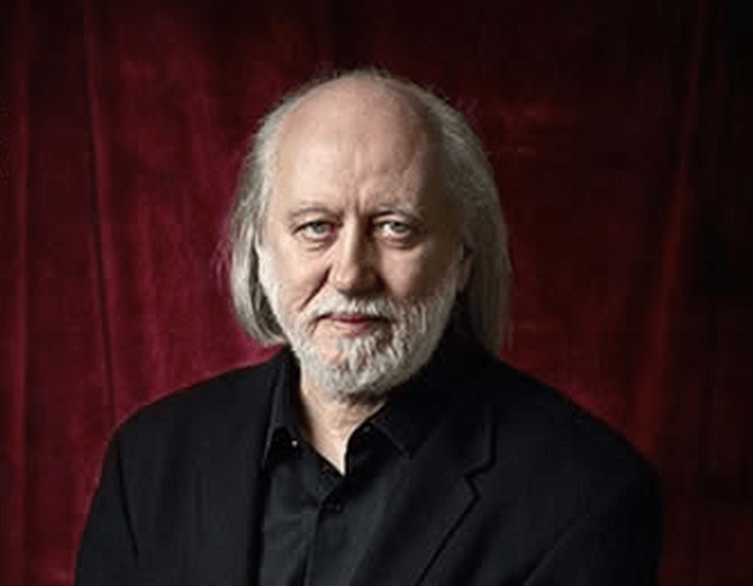
On September 27th, Hungarian writer László Krasznahorkai was awarded the Nobel Prize in Literature, and Budapest immediately lit up with pride. Bookstores sold out of his works – not just Satantango, but practically everything he’s ever written. Cinemas re-screened Béla Tarr’s films based on his novels, and on December 10th, the day of the Nobel ceremony, the city launched the NobelMobil: a mobile literary shrine that traveled the streets, inviting people to read aloud from Krasznahorkai’s latest novel.
For visitors, this might seem like a niche cultural moment, but it’s actually a great excuse to dive into Hungarian literature and film. Even if you’re not a hardcore reader, catching one of Tarr’s atmospheric, slow-burning films or flipping through a translated Krasznahorkai novel gives you a deeper sense of the city’s intellectual and artistic soul. And if you’re in Budapest during a literary festival or a related event, it’s a chance to see how seriously the city takes its writers.
Green Budapest: How the City Got Cooler (Literally)
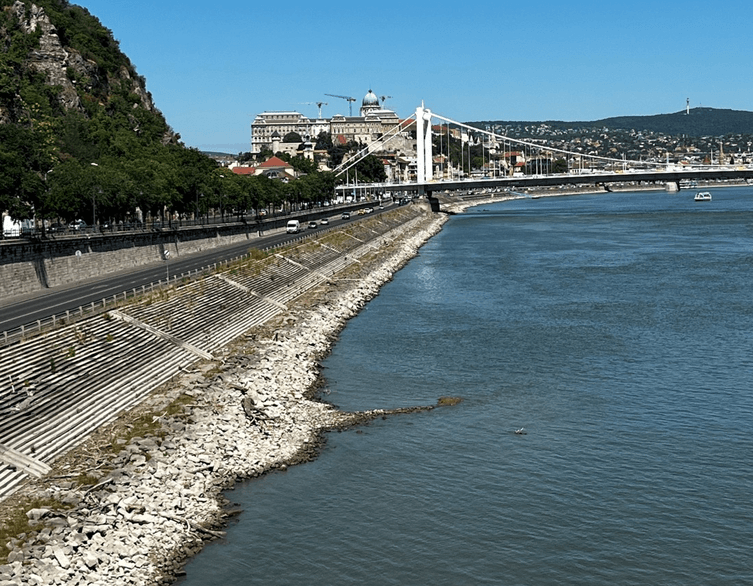
2025 was a tough year for Budapest’s climate. It was unusually dry, and in March, the infamous “Ínség-szikla” (Famine Rock) emerged from the Danube near the Liberty Bridge – something that hadn’t happened in recorded history at that time of year. Water consumption hit record highs in June, and the city’s trees and parks were under serious stress.
In response, Budapest doubled down on its green transformation. Thousands of trees were planted, new community gardens sprang up in Zugló and Gazdagrét, and the city launched the Budapest Magkeverék – a special native grass seed mix designed to create drought-resistant, biodiverse green spaces. The “Égig Érő Fű” (Sky-High Grass) program gave residents more money to green their courtyards, and the city started testing bottle-sharing stations to cut down on plastic litter.
Best deals of Budapest






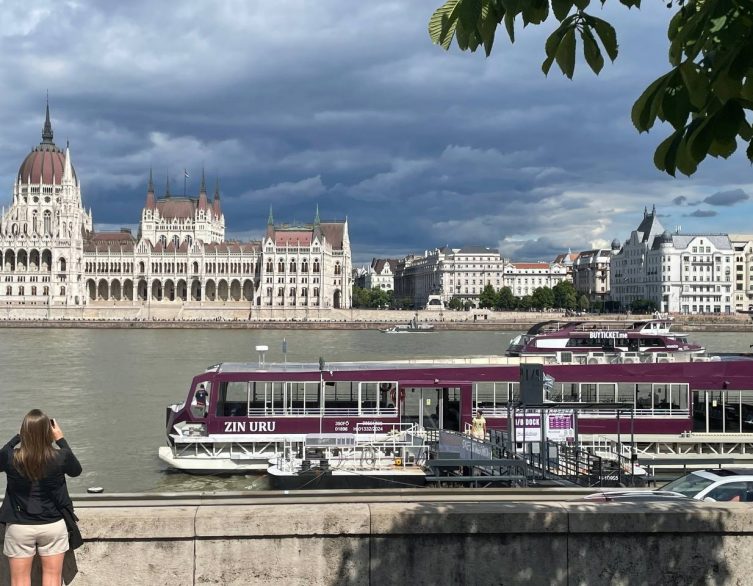
For tourists, this means a more pleasant, shaded city. Parks feel more alive, streets are greener, and there are more opportunities to experience Budapest beyond the main tourist spots – whether that’s a new nature trail along the Danube near Nagytétény, a quiet community garden, or simply more trees providing shade on a hot summer day.
New Trams, Buses, and the Quiet Revolution in Public Transport
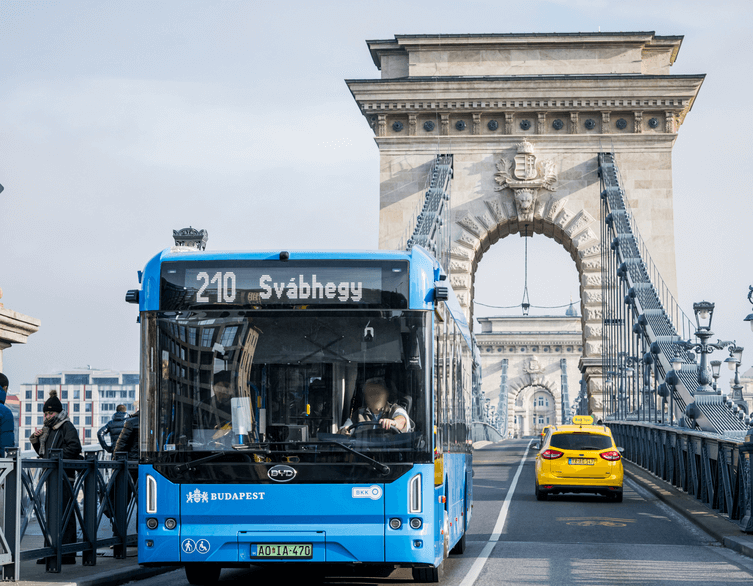
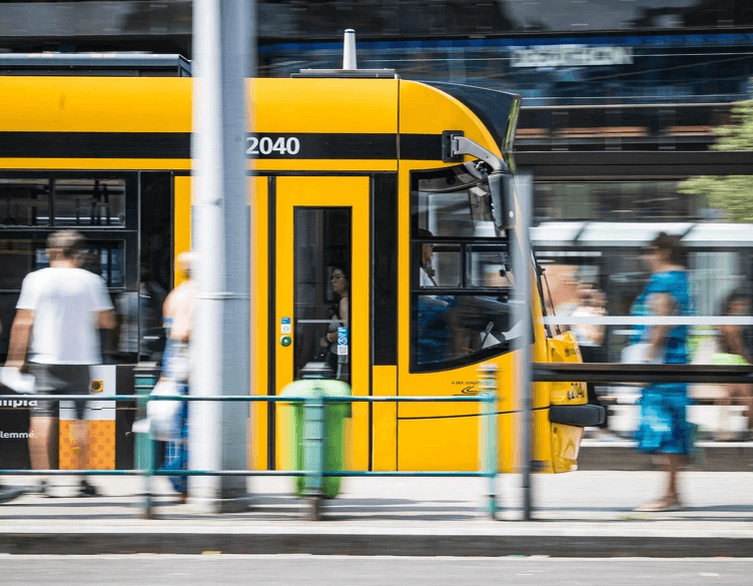
If you’ve been riding Budapest’s public transport this year, you’ve probably noticed the difference. The old, rattling trams are slowly being replaced by sleek, low-floor CAF trams that glide smoothly along the tracks, with better accessibility, modern interiors, and a much more comfortable ride. On the roads, hundreds of brand-new low-floor buses – from Mercedes, MAN, and electric BYD models – have been rolling out, many of them with air conditioning and better accessibility for wheelchairs and strollers.
This isn’t just about comfort; it’s about a long-term bet on public transport. Despite tight national budgets and political friction, the city has been pushing hard to modernize the network. The idea is simple: if public transport is reliable, clean, and easy to use, more people will choose it over cars, which means less traffic, less pollution, and a more livable city.
For visitors, this means a more pleasant experience getting around. The new trams and buses are easier to board, easier to navigate, and generally more pleasant than the older models. If you’re planning to explore beyond the main tourist spots, this upgrade makes a real difference – whether you’re heading out to City Park, the outskirts of Buda, or just hopping between neighborhoods in Pest.
Bubi 3.0 and the Slow Growth of Bike-Friendly Budapest
Budapest’s bike-sharing system, Bubi, remains wildly popular, and in 2026, it’s getting a major upgrade: Bubi 3.0. The new system will have roughly twice as many bikes, five to six times more docking stations, and cover a much larger area of the city. For tourists, this is great news – it means more bikes available near hotels, more stations near major sights, and a much more practical way to explore the city on two wheels.
At the same time, the city has been quietly improving bike infrastructure: making existing routes safer, adding new bike lanes, and building nearly 200 new covered, lockable bike racks. While Budapest still lags behind some other European capitals in terms of cycling infrastructure, the direction is clear: the city wants more people on bikes, not just on the Danube promenade, but in everyday life.
What Changed in the Background: Schools, Streets, and the Little Things
Beyond the big headlines, 2025 brought a wave of smaller, practical changes that make daily life – and tourism – more comfortable. The “Healthy Streets” program continued, turning busy roads near schools into calmer, greener spaces with less traffic, more plants, and outdoor furniture. The “School Street” initiative created car-free zones around schools, reducing noise and pollution for children.
The city also launched its first-ever “Fruitful Garden City” competition, giving away nearly 2,000 fruit trees to residents in the outer garden suburbs. A new free beach opened on the Danube in the 11th district, and the city started testing bottle-sharing stations to reduce plastic waste. Even the way parks are maintained changed: leaf piles are now left under trees to protect wildlife, and new “dead wood hedges” provide shelter for insects and small animals.
For tourists, these changes might seem invisible at first, but they add up. Streets feel calmer, parks feel more cared for, and there are more little details that make the city feel more thoughtful and livable.
The View from the Castle: What’s Disappearing and What’s Coming
On the Buda side, the skyline around the Castle District is changing fast. The old Radio Building was demolished to make way for a new campus for Pázmány Péter Catholic University, and the long-awaited renovation of the Gellért Baths was finally set in motion (though funding issues mean the full project will need a new solution in 2026). The future of the Museum of Applied Arts also remains uncertain, which worries many locals.
For visitors, this means that some familiar views are shifting. The Castle Hill panorama now looks a bit different, and some historic buildings are in transition. But it also means that, in the coming years, there will be new cultural spaces, better-restored landmarks, and a more coherent connection between the city’s historic core and its modern needs.
Why This Matters for Tourists
At first glance, a Pride march, a new tram fleet, and a green transformation might seem like very different things. But together, they tell a story about what kind of city Budapest is trying to be in 2025: a place that values both its people and its infrastructure, that wants to be open and inclusive while also being practical and modern.
For tourists, this matters more than it might seem. A city that invests in public transport is easier and cheaper to explore. A city that stands behind events like Pride tends to be more welcoming to all kinds of travelers, not just the “typical” tourist. And a city that’s visibly debating its own identity – through politics, culture, and urban development – is usually a more interesting, dynamic place to visit.
How to Experience the “Real” Budapest in 2025
If you’re visiting now or planning a trip soon, the best way to get a feel for how the city is changing is to mix the obvious sights with a bit of local life. Take a ride on one of the new trams, especially along the Danube or through the city center, and notice how much smoother and more modern the experience is. If you’re in town during a major event like Pride, even just walking through the area or checking out a related exhibition or party can give you a sense of the city’s pulse.
And don’t forget to step off the main tourist routes. Visit a neighborhood market, grab a coffee in a local café, or take a walk along a quieter stretch of the river. That’s where you’ll really feel the changes – in the cleaner streets, the better signage, the more accessible transport, and the general sense that Budapest is trying to be a more comfortable, more inclusive place for everyone who lives here or passes through.
The Bigger Picture: A City in Motion
Budapest in 2025 is a city that’s arguing with itself, improving itself, and trying to figure out its role in a changing Europe. The Pride march, the new trams and buses, the green transformation, and the long-term projects like Rákosrendező and Nagykörút are all pieces of that story. Together, they show a city that’s not just surviving, but actively shaping its future – and that’s exactly the kind of place that’s interesting to visit, live in, and keep coming back to.
Follow Budappest.com on Facebook
Related news
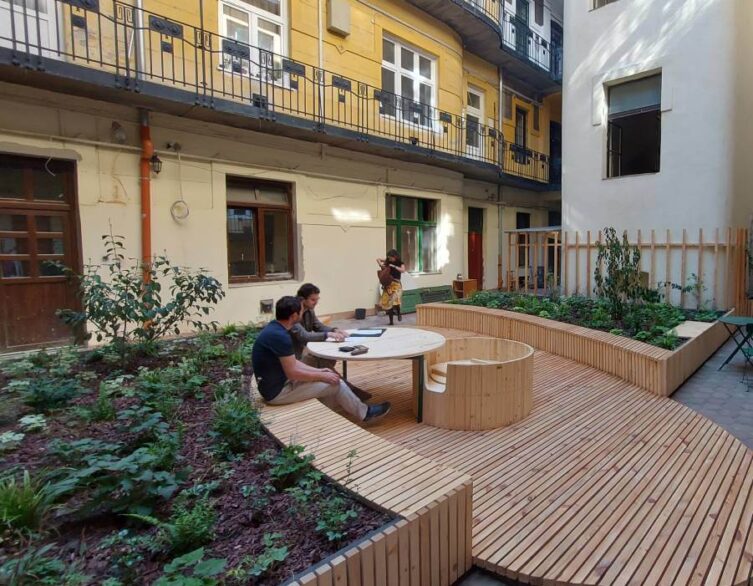
Budapest Is Going Green — One Courtyard at a Time
If you’ve ever wandered through Budapest’s inner districts and peeked through the iron gates of an old apartment building, you’ve...
Shaping Budapest: Vote For What Changed the City the Most
If you’ve been following Budapest this year, you’ve probably noticed that the city’s been in motion – literally and politically. From new...
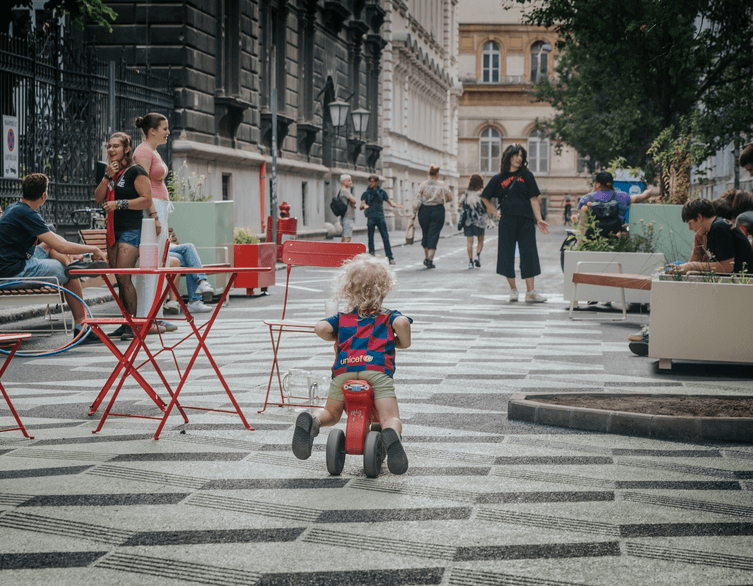
Safe Streets, Happy Schools: How Budapest is Redesigning Its Neighborhoods for Kids
If you stroll through certain Budapest neighborhoods on a weekday morning, you might notice something refreshing: colorful signs, children walking...
Budapest’s New Electric Buses: A Greener Ride for Tourists
Budapest is rolling out its first fleet of modern electric buses ahead of schedule, making public transport smoother, quieter, and more eco-friendly...
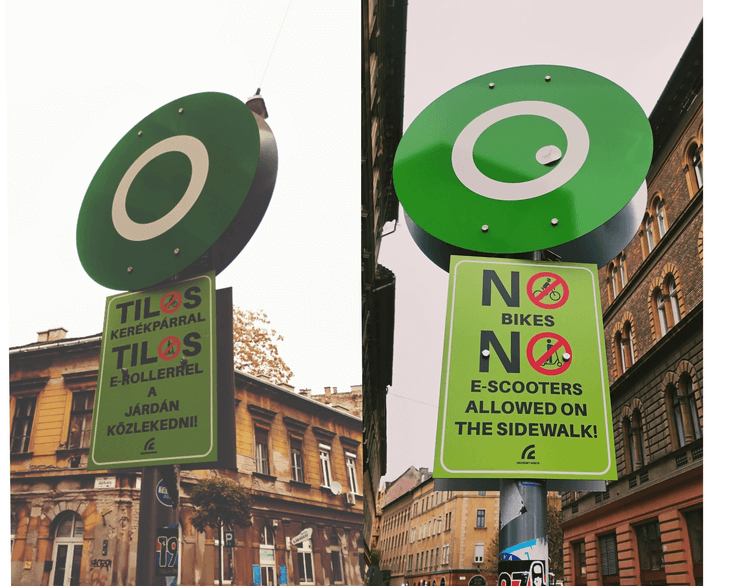
Budapest’s New Downtown: Where Pedestrians Rule the Streets
Budapest’s historic downtown is embracing a walkable future, transforming bustling avenues and hidden streets into pedestrian-only zones. For foreign...
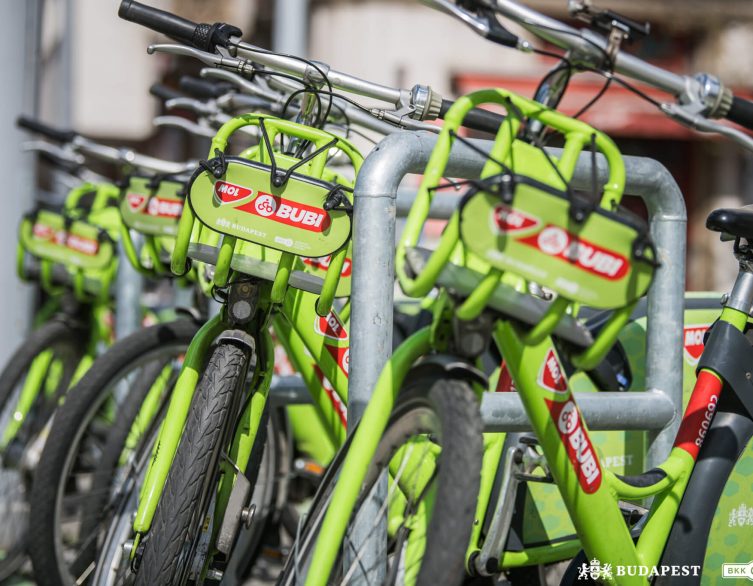
Budapest’s Bubi Bike System Is Getting a Major Upgrade: A New Era for Urban Cycling Begins
If you’ve ever zipped around Budapest on the iconic green Bubi bikes, get ready for an even better experience. The city’s popular bike-sharing...
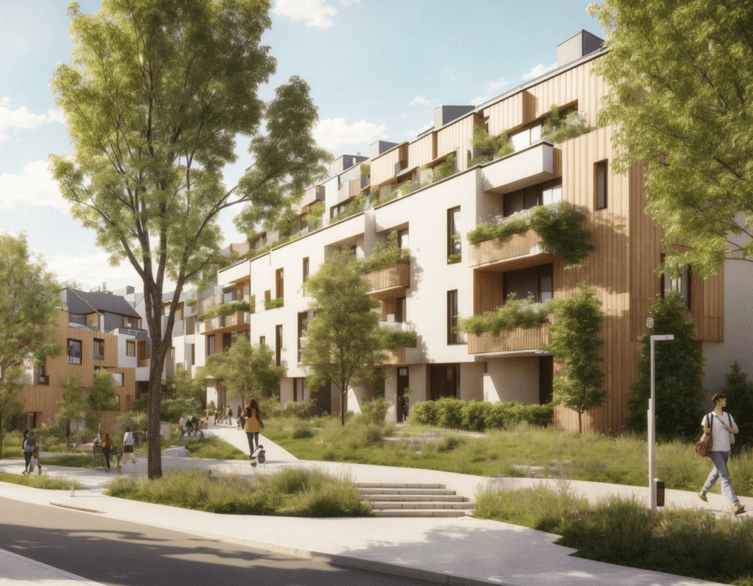
Budapest’s Rákosrendező: A Bold Vision for Sustainable Urban Living Takes Shape
Budapest is embarking on one of its most ambitious urban transformations in decades, and the world’s leading architecture firms are taking...
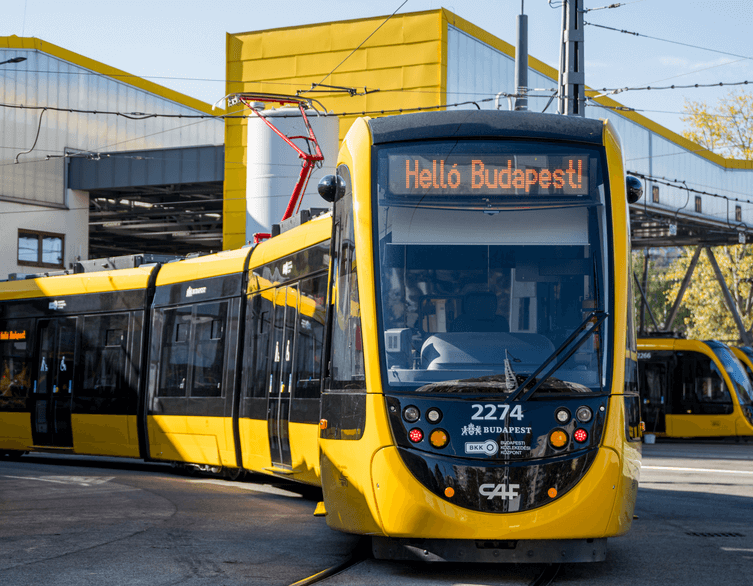
Budapest’s Public Transport Revolution: New Trams and Buses Transform the City
If you’ve been exploring Budapest on a sunny autumn day recently, you might have already experienced the city’s latest addition to its...
Hungarian Writer László Krasznahorkai Wins the Nobel Prize in Literature
The Swedish Royal Academy of Sciences awarded the Nobel Prize in Literature to László Krasznahorkai, a Kossuth Prize-winning Hungarian writer,...
Budapest’s Dramatic Warning: The Hunger Rock Emerges from the Danube Again
Budapest residents woke up to an unusual and concerning sight on July 2nd, 2025: the Hunger Rock has once again emerged from the depths of the Danube...
Budapest Pride 2025: A Historic Celebration Drawing International Attention
A Milestone Event That’s Capturing Europe’s Gaze As Budapest prepares for its 30th Pride celebration on June 28, 2025, the Hungarian...
Budapest’s Grand Boulevard Tram Line Gets Its Biggest Upgrade in 15 Years: What Tourists Need to Know This Summer
If you’re planning to explore Budapest this summer, there’s some important news about one of the city’s most iconic transport lines...