Flying to Budapest After EES: How EU Border Delays Affect Your Trip
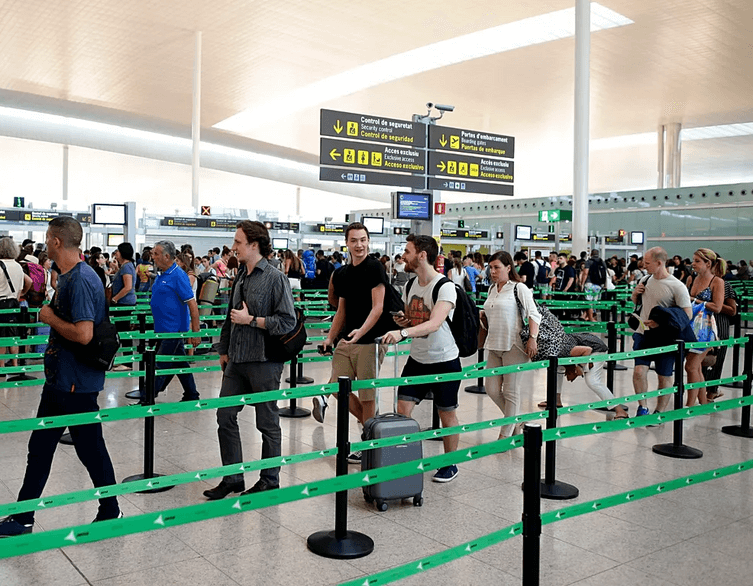
Flying to Budapest has become slightly more complicated for some non‑EU travellers, thanks to a new EU border registration system that is still finding its feet. If you are visiting Hungary from the UK, the US or another country outside the European Union, it is worth understanding how this change might affect your trip, especially if you have tight connections within Europe.
The good news is that with a bit of planning, you can still enjoy a smooth journey to Budapest and beyond. Knowing your rights and how travel insurance really works in these situations will help you avoid unnecessary stress and costly surprises.
What is the new EU border registration system?
The European Union is gradually rolling out a new Entry/Exit System, usually shortened to EES. It started to appear at some airports in October and is expected to be fully in place at Schengen external borders by 10 April 2026.
If you are a visa‑exempt traveller coming from outside the EU or Schengen area – for example from the UK, the US, Canada, Australia or many other countries – you may now be asked to register at dedicated self‑service kiosks when you first enter the Schengen zone. At these kiosks, you provide biometric data such as fingerprints and a facial image, as well as basic information about your trip.
The idea behind EES is to make borders more secure and, in the long run, more efficient. However, as with any big new system, the early months have been bumpy. Many airports are still adjusting their procedures, and passengers are experiencing the new steps for the first time, which can slow everything down.
Can EES delays really make you miss a flight?
In most cases, you will simply spend a bit longer than usual in the border control area. But there have already been situations where travellers missed their onward flights because queues at EES kiosks and passport booths moved very slowly.
This tends to affect people who are:
arriving from a non‑EU or non‑Schengen country, and
catching a connecting flight from an EU airport to another destination within the Schengen zone.
If your final destination is Budapest and your first point of entry into the EU is another city, such as Frankfurt, Vienna, Amsterdam or Paris, you may need to go through EES there before boarding your connecting flight. That is where delays can build up.
If your connection leads you out of the Schengen area again – for example from an EU hub to a non‑EU country – you generally will not use the EES process at that point, so the risk of delay from this specific system is lower. Still, crowding and seasonal traffic can always affect how quickly you move through the airport.
While serious EES‑related delays are not yet extremely common, they do happen, and airlines and travellers are gradually learning how to adapt.
Your rights if you miss a connection due to border delays
If long queues or slow processing at the EU border cause you to miss your connecting flight, your rights depend first and foremost on how your ticket was booked.
Best deals of Budapest










If you have a through ticket – a single booking that covers the full journey from your departure airport to your final destination, often with one booking reference and one overall fare – you are better protected. In this case, your airline (or the airline responsible for the ticket) is obliged to rebook you onto the next available flight to your final destination. While you wait, they are also responsible for basic care where appropriate, such as meals, transfers within the airport, and hotel accommodation if an overnight stay becomes necessary.
If, on the other hand, you booked separate tickets – sometimes called self‑transfer – the situation changes completely. Maybe you found two attractive fares with different airlines and combined them yourself, or even two separate flights with the same airline but under different bookings. In that scenario, if you miss the second flight because you were stuck at border control, you usually have to organise and pay for the new onward journey yourself. Airlines typically do not treat this as their responsibility, because from their perspective each leg is an independent trip.
EU passenger rights rules and international air transport regulations still offer a basic framework of protection, but border control delays sit in a grey zone. They are not directly caused by the airline, and they are not weather‑related either, which makes compensation claims more complicated.
Will travel insurance cover EES‑related delays?
This is where many travellers get an unpleasant surprise. You might assume that if your travel insurance policy includes missed connection or delay cover, it will automatically protect you if EES queues make you miss your flight. In reality, that is often not the case.
According to recent analysis by the insurance comparison platform Squaremouth, missed connections can cost travellers an average of around 458 US dollars, or about 390 euros, in unexpected out‑of‑pocket expenses. Yet many policies do not treat EES‑related delays as an insurable event.
Insurance experts explain it like this. Most standard policies cover missed connections or delays when they are caused by reasons such as severe weather, mechanical problems with the aircraft, strikes that affect the airline, or other clearly defined, unexpected events. Long waiting times at immigration or security, especially if linked to a system that is now a permanent part of border procedures, often fall under general exclusions.
In other words, because EES is not a temporary problem but a long‑term structural change, many insurers do not view delays it causes as “unforeseeable” in the legal sense. Unless your policy specifically mentions delays due to immigration or security checks as a covered risk, you may not receive compensation if you miss your flight for this reason.
Insurance professionals therefore strongly recommend contacting your insurer before you travel, especially if you plan to transit through EU airports on your way to Budapest. Ask clear questions about what is and is not covered. It is better to know in advance than to discover the limits of your policy while standing in a crowded terminal with a missed connection.
How to protect your Budapest trip when flying through the EU
Even if the legal and insurance landscape around EES is a bit confusing, you still have plenty of practical options to reduce your risk and travel more calmly.
The most effective step is to build generous connection times into your itinerary. When you are planning your flights to Budapest via a Schengen airport, avoid very tight layovers, especially during busy periods like Christmas, New Year, Easter or summer holidays. Giving yourself a longer window between flights may feel less efficient, but it is often cheaper and less stressful than having to buy a last‑minute replacement ticket.
Flexible or refundable fares can also be a smart investment. While they are usually more expensive up front, they give you more room to change plans if delays start to cascade. If something goes wrong, being able to switch to a different flight without huge penalties can save both money and nerves.
It is also wise to keep detailed records if your journey is disrupted. Note the times you entered and left queues, take photographs of information boards showing delays, and keep any written communications from the airline or airport. Even if EES delays themselves are not covered by your insurance, other factors – such as weather‑related cancellations or airline‑caused disruptions – might be, and you will need evidence to support any claim.
Finally, treat the new system as a fixed part of your travel plan rather than an exception. Arrive at your departure airport early enough to cope with unexpected slowdowns. If you are entering the EU in a different city before arriving in Budapest, mentally factor in time for learning how the kiosks work and for possible confusion among fellow passengers.
Holiday travel reminder from Budapest Airport
Passenger traffic is higher than usual during the holiday season, which may cause certain airport procedures to take longer. To ensure a smooth departure, passengers—especially those traveling to non-Schengen destinations—are advised to arrive at least 3 hours before their flight and allow extra time for mandatory security checks. Arriving early helps make your journey stress-free.
Why this matters for your Budapest holiday
Budapest is one of Europe’s most popular city break destinations, with thermal baths, Danube cruises, ruin bars, Art Nouveau architecture and atmospheric Christmas markets drawing millions of visitors every year. As the city continues to grow in popularity, more travellers are connecting through major European hubs before arriving in Hungary.
Understanding the new EES border registration process is now part of smart trip planning. It will not stop you from enjoying your stay, but ignoring it could make the start of your holiday more stressful than necessary.
By choosing through tickets where possible, allowing more time for transfers, double‑checking what your travel insurance actually covers and staying informed about how the system works, you can protect both your budget and your peace of mind. That way, when you finally land in Budapest, your focus can shift from airport logistics to what really matters: soaking in a hot thermal pool on a cold evening, wandering along the illuminated Danube promenade, and discovering the cafés, markets and neighbourhoods that make the Hungarian capital so memorable.
Follow Budappest.com on Facebook
Related news
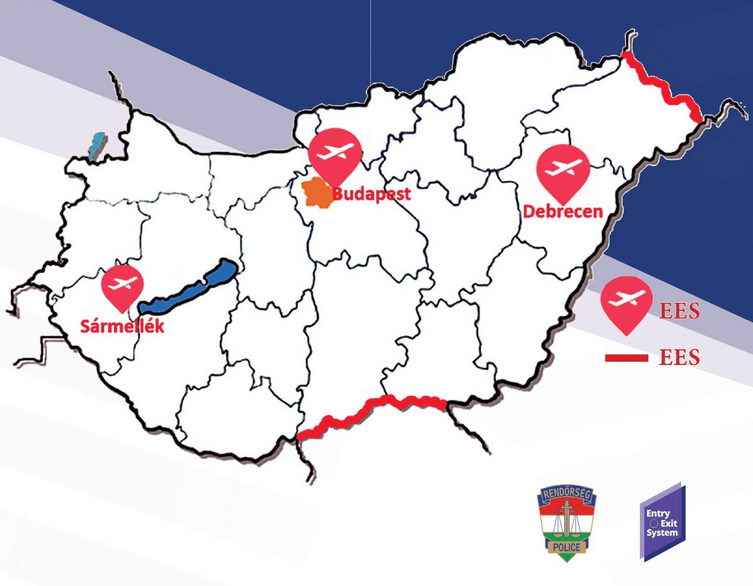
EES Border Control System Transforms Travel Through Budapest Airport
If you’re planning a trip to Budapest from outside the European Union, there’s an important change you need to know about. Starting November...
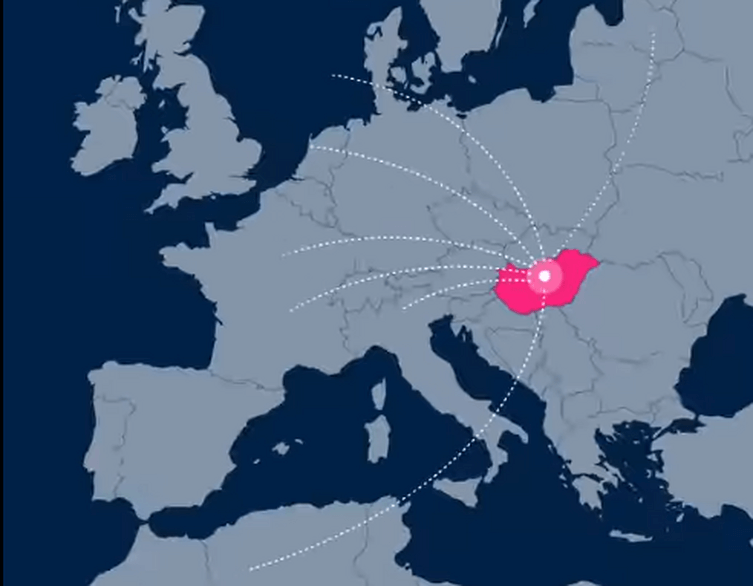
Budapest Airport Unveils Exciting Winter Flight Schedule: New Routes and Expanded Connections for 2025-2026
As autumn settles over Hungary’s capital and the city’s famous ruin bars begin their cozy winter transformation, Budapest Airport is...
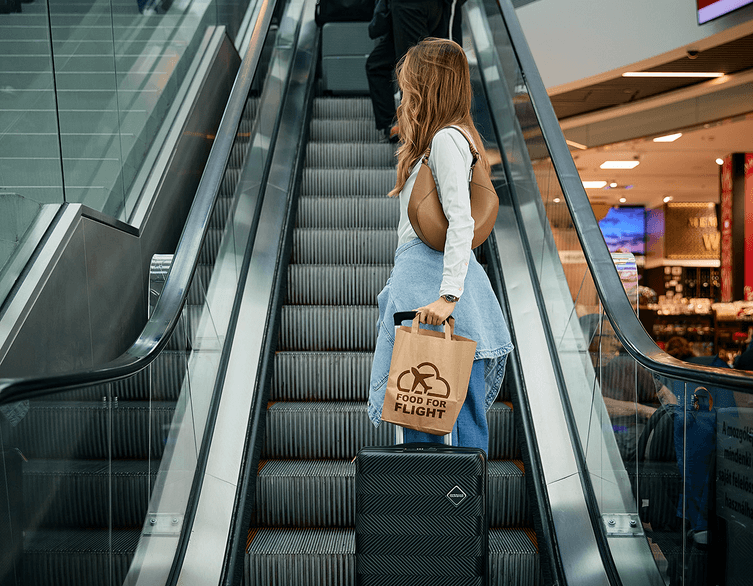
Budapest Airport Food for Flight: Grab-and-Go Options Before You Board
Whether catching a flight to distant shores or bidding farewell to Budapest’s enchanting beauty, the culinary journey doesn’t have to...
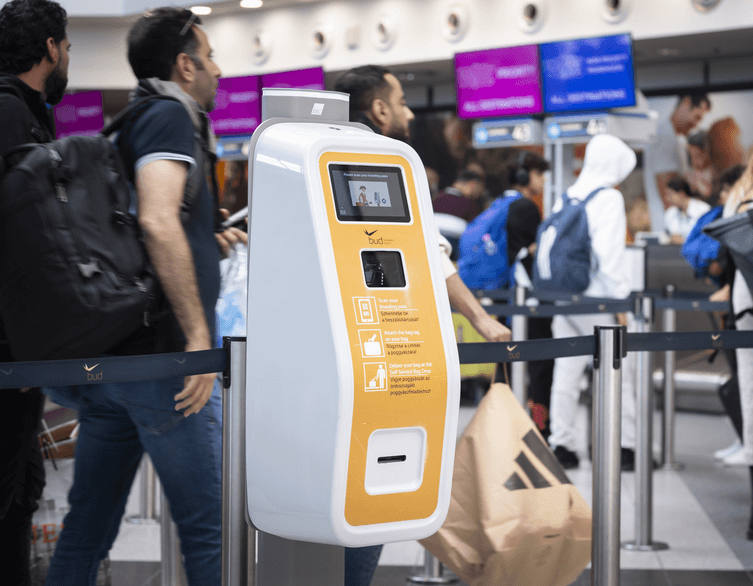
Self-Service Baggage Drop at Budapest Airport
Budapest Airport has implemented a self-service baggage drop system that allows passengers to handle their baggage check-in process independently....
Beginners’ Guide to Budapest Airport: Everything You Need to Know for a Smooth Journey
Traveling through Budapest’s Ferenc Liszt International Airport can feel overwhelming, especially if you’re visiting Hungary for the...