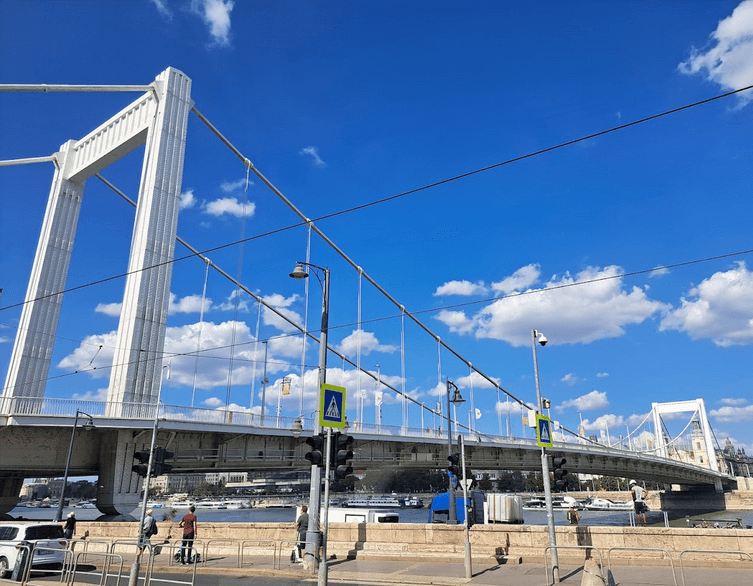
Budapest’s Petőfi Bridge Set for Major Renovation: What Tourists Need to Know
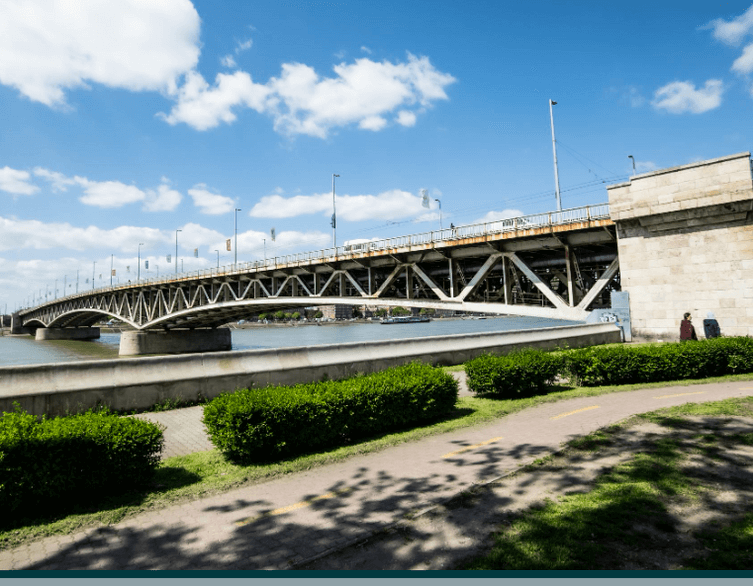
If you are planning a trip to Budapest in the next few years, the Petőfi Bridge is a name worth remembering. It may not be as famous as the Chain Bridge or Margaret Bridge, but for locals it is one of the city’s key Danube crossings, linking Buda’s university district with Pest’s lively inner neighborhoods near Boráros tér. Now, after decades of service, this important bridge is finally heading towards a full renovation.
For foreign visitors, understanding what is happening with Budapest’s bridges can help you plan your stay, avoid traffic disruptions and discover alternative viewpoints of the Danube that you might otherwise overlook.
Why the Petőfi Bridge renovation matters
The Petőfi Bridge was last completely renovated in 1980. Since then, only smaller repairs have taken place, even though the bridge has been exposed to traffic, weather and the natural wear and tear that any steel structure faces. Local experts and city representatives now say that a comprehensive reconstruction is no longer just desirable, but necessary.
In recent years, significant corrosion problems have appeared on the bridge. According to Budapest city representative Dávid Vitézy, the structure now urgently needs a full corrosion protection upgrade. This does not only mean a fresh coat of paint. It involves serious technical work on the metal parts, the replacement of railings and curbs along the sidewalks, and a complete renewal of both the road surface and the tram tracks that run across the bridge.
For the everyday life of Budapest, this is critical. The Petőfi Bridge plays a major role in car traffic, cycling routes and public transport. It carries trams and buses, connects busy residential and university areas, and links some of the city’s most important transport hubs. If it is not properly maintained, its condition could become critical over time, which is exactly what the city now wants to prevent.
Part of a wider bridge renewal program
If you have visited Budapest before, you might remember the Chain Bridge covered in scaffolding, or you may have walked across a beautifully renewed Margaret Bridge. The renovation of the Petőfi Bridge is the next step in this long-term program to modernize the city’s Danube crossings.
The planned reconstruction is not just about the bridge itself. It also includes the transformation of the spaces at both ends. On the Buda side, the Goldmann György Square – right next to university buildings and student dormitories – could be redesigned and made more accessible. On the Pest side, Boráros tér, one of the busiest public transport hubs in the city, is also set for a much-needed upgrade.
Boráros tér is where trams, buses and suburban trains meet. Today, it functions, but not at the level a modern European capital deserves. Bridges, stairs, platforms and public spaces are often difficult to navigate, especially for people with reduced mobility or tourists unfamiliar with the layout. As part of the Petőfi Bridge project, the city aims to improve accessibility, reorganize pedestrian flows and introduce smaller-scale architectural improvements that make the area more pleasant and easier to use.
For visitors, this could mean clearer routes between the riverfront, tram stops and nearby neighborhoods, as well as a more attractive promenade along the Danube.
Timelines, budgets and what it means for your trip
The good news for travelers is that the most disruptive construction work is still a few years away. At the moment, Budapest is only preparing for the planning phase of the project. The city’s Podmaniczky Movement political group has proposed that funds for designing the renovation be included in the 2026 city budget. The municipal assembly has already made a general decision in favor of preparing the project, but the detailed technical plans do not yet exist.
If the proposal passes and the necessary money is allocated, the city’s transport company, BKK, will launch a public procurement process to select designers. Creating all the technical documentation and obtaining the building permits is expected to take several years. Optimistic estimates suggest that the final plans could be ready around 2027.
Best deals of Budapest









Only after that could actual construction begin. According to current projections, the physical renovation work on the Petőfi Bridge might start in 2028 or 2029. By that time, nearly fifty years will have passed since the last complete renovation in 1980. Local experts emphasize that if planning does not start soon, the structure’s condition could deteriorate to a more serious, even critical level.
From a tourism point of view, this timeline means the following. If you are visiting Budapest in the next couple of years, you are unlikely to encounter major closures on the Petőfi Bridge due to this specific project. However, if your trip is planned closer to the end of the decade, you may find parts of the bridge closed to traffic or fully under renovation, similar to what happened with the Chain Bridge earlier.
This is not necessarily bad news. During past bridge renovations, Budapest remained very accessible. Public transport routes were adjusted, other Danube crossings handled the extra load, and sightseeing boats and riverside promenades stayed active. Still, it is smart to check up-to-date information before your visit, especially if you plan to stay near Boráros tér or use trams and buses that cross the Petőfi Bridge regularly.
How the renovation could improve your future Budapest experience
Once the project is complete, both residents and tourists stand to benefit. A renovated Petőfi Bridge will be safer, visually fresher and better integrated into the city’s transport network. Renewed sidewalks and railings will make it more pleasant to walk across, offering excellent views up and down the Danube, including the more famous bridges further north.
For cyclists, improved lanes and surfaces will create a smoother connection between the two riverbanks and the popular routes along the Danube. For tram users, renewed tracks should lead to a more reliable and quieter ride between Buda and Pest. And for people with mobility challenges, redesigned access points at Goldmann György tér and Boráros tér could make the entire area easier to navigate.
Boráros tér itself has the potential to transform from a purely functional, somewhat chaotic transfer point into a more welcoming gateway to the city for visitors arriving from the southern suburbs or from the Danube promenade. The space could become greener, more pedestrian-friendly and visually more appealing, with clearer signage and better connections to the waterfront.
If you are the kind of traveler who enjoys going beyond the main postcard spots, these changes will make it more rewarding to explore the neighborhoods around the Petőfi Bridge. On the Pest side, you are close to the bustling Ninth District, with its creative bars, cafés and cultural venues. On the Buda side, you can easily reach university campuses, parks and riverside paths that offer a more relaxed, everyday version of Budapest life.
Tips for tourists visiting during infrastructure projects
Budapest is a living, evolving capital, and large-scale projects like bridge renovations are part of how the city prepares for the future. If your visit overlaps with such works, a few simple strategies can help you enjoy your stay without stress.
Mapping out alternative routes can make a big difference. Budapest has several Danube bridges within relatively short distances of each other, so if one crossing is partially closed, there is usually another nearby. Trams and buses are usually rerouted rather than cancelled, and the city’s transport website and journey planners provide updates in English.
Walking and river transport can also become part of the experience. Even if the Petőfi Bridge is under construction, you can still admire other bridges such as Liberty Bridge, Elisabeth Bridge or the Chain Bridge, each with its own character and photo opportunities. Sightseeing boats give you a different angle on the city’s skyline, especially at sunset or after dark when the bridges are illuminated.
Finally, remember that construction also tells a story. Seeing scaffolding and cranes along the Danube is a sign that Budapest takes care of its heritage instead of letting it decay. The Petőfi Bridge may not yet appear on every postcard, but its renewal is an important chapter in the city’s ongoing transformation.
Related news
Budapest’s Petőfi Bridge Revival: Smoother Crossings Ahead for Tourists
Imagine gliding across the Danube on the Petőfi Bridge, that trusty workhorse linking bustling Pest to serene Buda, without a worry about creaky...
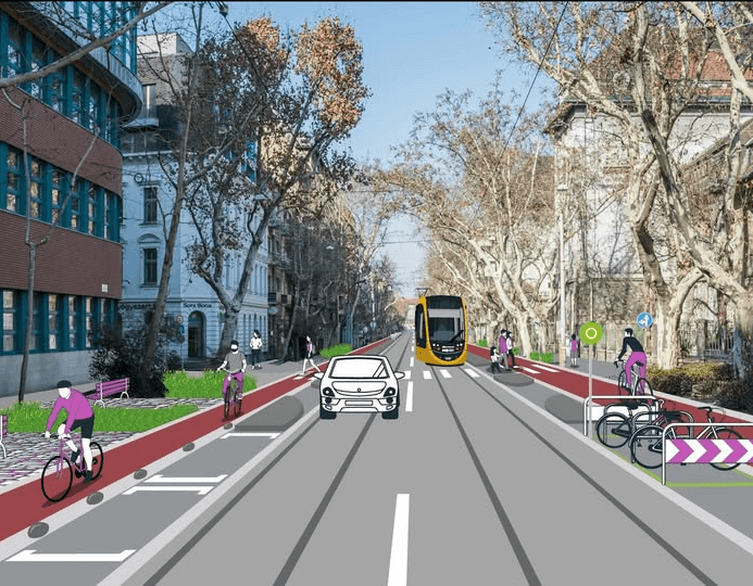
Mester Street’s Big Glow-Up – Budapest’s Ferencváros Gets a Fresh, Green Makeover!
Hey, fellow Budapest wanderers! Imagine strolling down a wide, tree-lined avenue where massive plane trees whisper secrets from the early 1900s,...
Related attractions