Budapest’s Electric Articulated Bus Revolution: A Greener Way to Explore the City
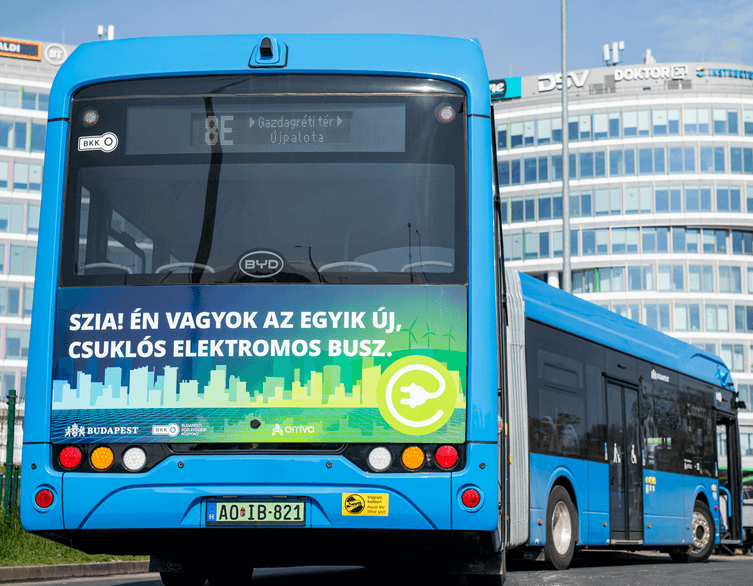
If you’ve been to Budapest recently, you may have noticed something quietly exciting happening on the streets. The Hungarian capital has just launched its first electric articulated buses, and they’re already turning heads — and for good reason. As of April 1, 2026, a new chapter has officially begun in Budapest’s public transport story, and visitors are among the first to experience it.
A New Era for Budapest Public Transport
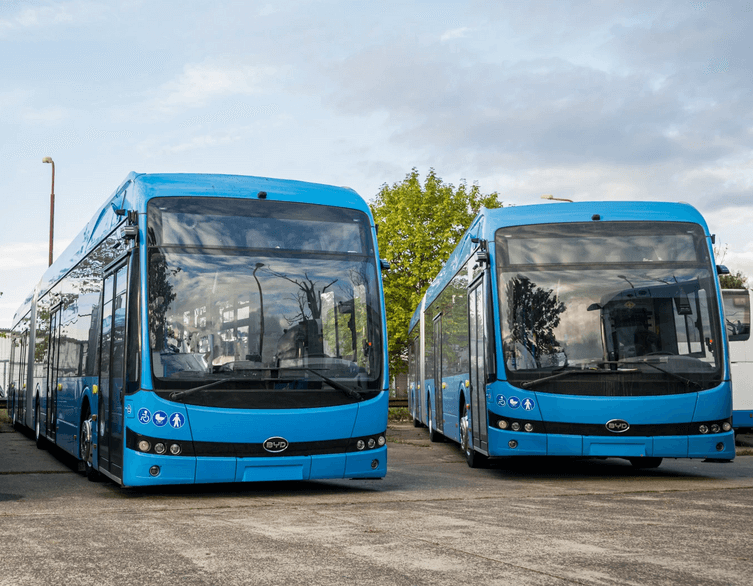
Five brand-new electric articulated buses rolled into service on April 1st, operating on the 8E line, one of the city’s busy urban routes. This is just the beginning. By May 1st, a further fifteen of these sleek vehicles will join the fleet, bringing the total number of electric articulated buses to 24. And the ambition doesn’t stop there — by 2027, Budapest will welcome a total of 82 fully electric buses, comprising 58 solo buses and 24 articulated ones, all ordered by BKK, the Centre for Budapest Transport.
The solo electric buses actually made their quiet debut back in December 2025, when the first units started serving lines 105 and 210. Those have been running reliably ever since, paving the way for this larger rollout. With the articulated models now in service, Budapest is on track to operate the largest electric articulated bus fleet in Hungary — a milestone that speaks volumes about the city’s commitment to sustainable urban mobility.
Best deals of Budapest






Who Makes These Buses?
The vehicles are manufactured by BYD, the Chinese electric vehicle giant that has become a major player in the European public transport market. Budapest’s transport operator BKK partnered with ArrivaBus Kft. as the service provider, and the two organisations put the buses through multiple rounds of rigorous testing before letting them loose on city streets. The goal was to ensure that every journey meets the highest possible standard of reliability — something Budapest’s famously punctual transport network takes seriously.
Spot Them on the Street — They’ll Introduce Themselves
These buses aren’t shy about their debut. Each one carries a cheerful poster on its back reading “Hi! I’m one of the new electric articulated buses” — a charming touch that makes them impossible to miss and surprisingly easy to fall in love with. It’s the kind of small, personality-filled detail that makes Budapest feel like a city that genuinely enjoys welcoming people. If you spot one pulling away from a stop, consider it a personal greeting from the city itself.
Comfort and Safety You’ll Actually Notice
If you hop on the 8E line, you’ll immediately feel the difference these buses make. They are fully low-floor, meaning boarding and alighting is effortless — great news if you’re travelling with luggage, a pushchair, or a wheelchair. Spacious priority areas are built right into the design, making the buses genuinely accessible for everyone.
The interior is air-conditioned, keeping you cool during Budapest’s warm spring and summer months. There are USB charging points throughout the cabin, so you can keep your phone topped up while you take in the city. On-board cameras and modern driver assistance systems, including blind-spot monitoring and fatigue detection technology, add an extra layer of safety that you won’t necessarily see but will certainly benefit from.
Cyclists will also be pleased to know that the new buses are equipped to carry bicycles, making it easier to combine a leisurely ride along the Danube with a quick bus hop across town.
Good for the City, Good for the Air
Beyond the passenger experience, these buses matter for a much bigger reason: Budapest’s air quality. The city, like many European capitals, has been working hard to reduce urban pollution, and this electric fleet plays a meaningful role in that effort. BKK’s broader bus renewal programme, running from 2025 to 2027, will bring more than 330 diesel and electric buses to the capital in total. Once the fleet update is complete, nearly 90 percent of Budapest’s buses will meet EURO 5 standards or better, cutting local emissions by approximately 8,000 tonnes per year. That’s a significant improvement for a city that millions of tourists visit annually.
How to Catch the 8E Line
The 8E line is a convenient route for getting around the city, particularly if you’re exploring areas beyond the immediate city centre. Budapest’s public transport network is one of the most affordable and comprehensive in Europe, and a single BKK travel card or pass covers buses, trams, the metro, and suburban rail lines. You can pick up a 24-hour, 72-hour, or weekly pass at any metro station or BKK customer service point, and they represent exceptional value compared to taxis or rideshare services.
Whether you’re heading to a neighbourhood market, a thermal bath, or one of Budapest’s many cultural sites, chances are a BKK bus — possibly one of these shiny new electric ones — will get you there comfortably and sustainably.
Budapest is Moving Forward
For visitors, this electric bus rollout is more than just a transport upgrade — it’s a sign of a city that takes its future seriously. Budapest has long been celebrated for its stunning architecture, rich history, and vibrant food scene, but it’s also a city that is actively investing in making urban life better, cleaner, and more connected. Riding the 8E line today means being part of that story, one quiet, emission-free kilometre at a time.
Related news
Budapest’s Nostalgic Rides Are Back: Vintage Trams and Retro Buses Return This April
There’s something undeniably magical about watching a beautifully restored vintage tram glide silently along the Danube, its old-fashioned...
Budapest Is Going Electric: New Electric Articulated Buses Are Hitting the Streets This Spring
If you’re planning a visit to Budapest in the coming months, you’re in for a treat — and not just because of the city’s stunning...
Citadella Reopens Soon: Electric Buses Transform Buda Tours in Budapest
Budapest’s Buda side is gearing up for smoother adventures with the Citadella reopening soon and eco-friendly buses replacing big tour coaches....