Budapest Ranked Third Best City in Europe for Digital Nomads — And It’s Easy to See Why

Budapest has just landed on yet another must-visit list, and this time it’s not for its thermal baths or ruin bars — though those certainly help. A recent study ranking the best European cities for digital nomads placed Budapest in third place, behind only Kraków and Warsaw, and ahead of Prague, Tallinn, Madrid, and Lisbon. If you’re a remote worker wondering where to base yourself in Europe, or simply a traveler curious about what makes this city so special, read on.
What the Rankings Actually Measured
The study analyzed 35 popular destinations across Europe, weighing up cost of living, internet speed and price, public transport quality, and safety. The verdict was clear: Central and Eastern Europe offers the best value for money, largely thanks to affordable housing, fast broadband, and cheap, reliable transit networks. Western and Northern European cities, despite their many charms, simply can’t compete on price.
Kraków took the top spot with an average monthly cost of around €1,423, followed closely by Warsaw. Budapest came in third, praised specifically for its favorable cost of living, affordable transport, and overall quality of urban life. For context, a comfortable lifestyle in Budapest typically runs between €1,800 and €2,500 per month, while those on a tighter budget can manage on €1,200 to €1,500. Either way, it’s dramatically cheaper than comparable capitals in Western Europe, and Budapest is widely considered the most affordable capital city in the entire European Union.
The Numbers That Make Budapest So Attractive
Let’s talk specifics. A monthly public transport pass in Budapest costs under €30 — one of the cheapest in Europe. A budget meal at a sit-down restaurant runs around €7 to €10, while a cappuccino will set you back just over €2. A one-bedroom apartment in the city center averages around €600 per month, and you can find perfectly comfortable studios outside the center for considerably less.
Best deals of Budapest








Then there’s the internet. Budapest’s broadband speeds routinely hit 100 to 300 Mbps, rivaling Scandinavian cities at a fraction of the cost — a crucial detail for anyone dependent on video calls and cloud-based work. Cafés across the city, particularly in the 7th District (the Jewish Quarter), are famously laptop-friendly, meaning you don’t even need a coworking membership to find a productive spot to work from.
Where to Work: Budapest’s Coworking Scene
Speaking of coworking, Budapest has a well-established and growing scene that caters to every working style. Kaptár, with multiple locations including a popular spot in the heart of the Jewish Quarter, is one of the city’s most beloved spaces — airy, well-lit, and architecturally interesting, with a strong community and regular events. Memberships run from around €70 to €150 per month depending on your plan.
Impact Hub Budapest, part of the global Impact Hub network, brings a collaborative, social-enterprise energy to its workspace in the 7th District, with regular workshops and networking events making it ideal for those who want community as much as desk space. For creative professionals, Loffice blends coworking with cultural events and art exhibitions, offering a design-conscious environment at multiple locations across the city. Smaller, more intimate options like Mosaik cater to freelancers who prefer a quieter, more laid-back atmosphere.
Life Beyond the Laptop
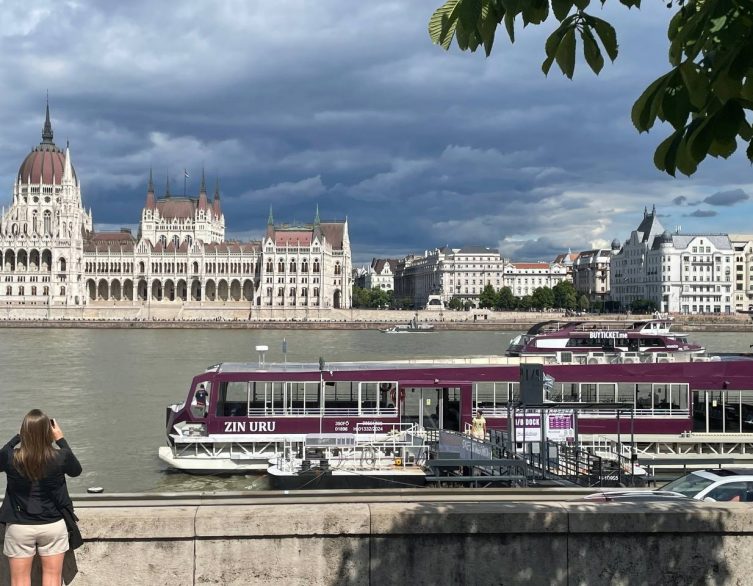
Of course, no amount of fast Wi-Fi matters if the city itself isn’t inspiring — and Budapest delivers spectacularly on that front. Split down the middle by the Danube River, with the hilly, historic Buda side facing the flat, buzzing Pest side, the city offers a visual and cultural richness that few European capitals can match. The iconic Chain Bridge, the grand dome of St. Stephen’s Basilica, and the ornate spires of the Hungarian Parliament make even the daily commute feel cinematic.
After work hours, Budapest’s famous thermal bath culture provides a uniquely restorative way to decompress. The Széchenyi Thermal Baths in City Park and the art nouveau Gellért Baths on the Buda side are just two of the city’s dozen-plus working thermal complexes — a perk you genuinely won’t find anywhere else in the EU. And when the sun goes down, the ruin bar scene in the 7th District, centered around spots like Szimpla Kert, transforms old courtyards and crumbling buildings into some of the most atmospheric nightlife venues in Europe.
Safety, EU Membership, and Practical Perks
For digital nomads weighing up their options, safety is always a factor. Budapest scores well on this front — it’s a large European capital with a well-functioning urban infrastructure, good healthcare access (with private doctor visits typically costing €20 to €40), and a broadly English-friendly environment, especially in the central districts and among younger locals.
Being an EU capital also means practical advantages: Schengen zone access, regulatory stability, and straightforward banking and legal frameworks for EU citizens. For non-EU nationals, Hungary’s remote work visa options are worth exploring, making Budapest accessible to nomads from further afield as well.
Why Budapest Keeps Topping These Lists
The city’s third-place ranking in this latest study isn’t a surprise to anyone who has spent real time here. Budapest manages a rare combination: a genuinely world-class city with grand architecture, rich culture, a thriving food and nightlife scene, and infrastructure that functions reliably — at a price point that feels almost unfairly generous compared to Western Europe. Whether you’re here for a month-long work stint or testing the waters before a longer stay, Budapest tends to do what it does to most visitors: make it very hard to leave.
Follow Budappest.com on Facebook
Related news

Culture Shock in Budapest: What Foreigners Really Think About Life in Hungary’s Capital
Budapest has quickly become one of Europe’s favorite cities for expats, students, and digital nomads. With its gorgeous skyline, affordable lifestyle,...

How Budapest Dethroned Europe’s Digital Nomad Capitals
Walk through the tree-lined streets around Szent István Park or along the bustling Bartók Béla Avenue in Újbuda on any given afternoon, and you’ll...
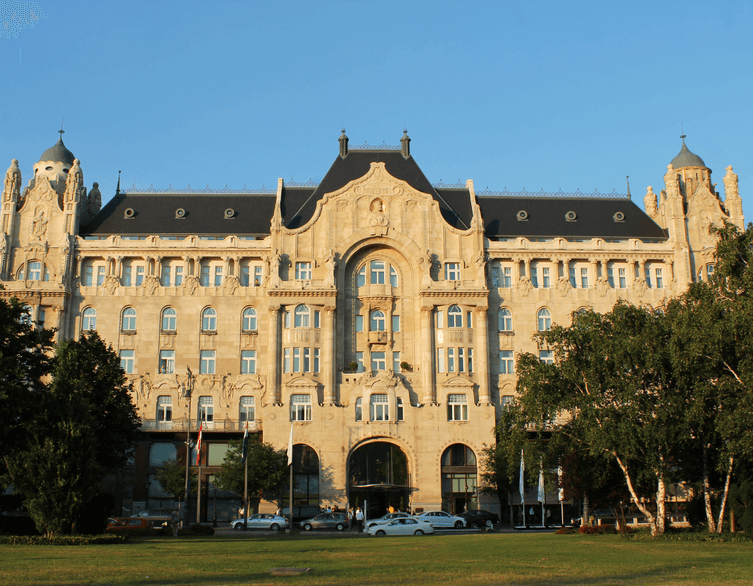
Budapest Hotels Earn Top Rankings in Condé Nast Traveller Readers’ Choice Awards
When planning a trip to Budapest, discerning travelers often wonder which hotels truly deliver exceptional experiences worthy of their investment....
Budapest: The Digital Nomad’s New European Capital
Welcome to the Future of Work Imagine waking up in a city where your office could be a sunlit café, a riverside coworking space, or even a historic...

Exploring Budapest Solo: Why Hungary’s Capital is Perfect for Women Traveling Alone
Traveling solo as a woman can be an empowering and enriching experience, offering the freedom to explore at one’s own pace and discover new...

Budapest: A Safe Haven for Solo Female Travelers and All Tourists
Budapest, the enchanting capital of Hungary, has long been a favorite destination for travelers from around the world. With its stunning architecture,...