Budapest Is Upgrading Its Public Transport — And Visitors Will Love It
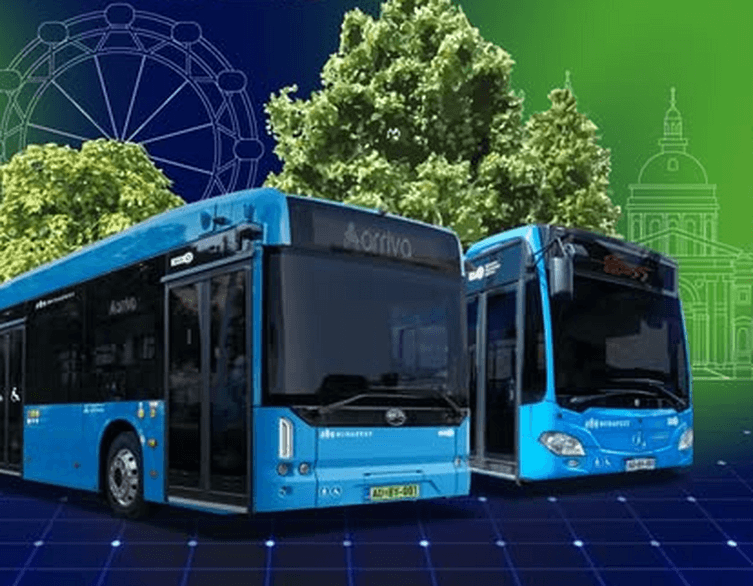
If you’re planning a trip to Budapest, you’re in for a treat — and not just because of the stunning views, the thermal baths, and the legendary ruin bars. The Hungarian capital is in the middle of a sweeping public transport transformation, and by the time you step off your plane or train, you may well find yourself riding one of the newest, most comfortable city buses or trams in Central Europe.
A City on the Move
Budapest handles more than 3 million public transport journeys every single day — a number that puts it firmly among the most transit-reliant capitals in Europe. The city’s transport authority, BKK (Budapest Transport Centre), has been rolling out an ambitious fleet renewal programme that will see over 330 new articulated and solo diesel and electric buses enter service by 2027, alongside 51 brand-new CAF trams arriving by the end of 2026. For tourists, this means cleaner vehicles, air-conditioned cabins, smooth low-floor boarding, and a noticeably more pleasant ride across the city.
The New Trams: Sleek, Modern, and Accessible
The iconic yellow trams of Budapest are getting a serious upgrade. In recent years, the city has already taken delivery of 73 modern, low-floor, air-conditioned CAF trams (from the Spanish manufacturer Construcciones y Auxiliar de Ferrocarriles), and a further 51 brand-new units are scheduled to arrive by the end of 2026. These include 46 shorter, 34-metre CAF Urbos 3/5 units and 5 longer, 56-metre CAF Urbos 3/9 articulated trams, progressively raising the share of fully accessible low-floor trams on Budapest’s network from around 30% to nearly 40%.
For visitors, the most exciting news is that these modern trams are set to roll out on some of Budapest’s most scenic and tourist-friendly routes, including Lines 2, 23, 24, and 62. As more CAF trams hit the rails, older series of the same fleet are also being redistributed to Lines 1, 3, 17, 19, 42, 50, 56, 56A, and 61 — meaning more comfortable travel across a wider swath of the city.
Riding the Riverside: Why Tram Line 2 Is a Must
If you only hop on one tram during your stay, make it Tram Line 2. Running along the Pest embankment of the Danube between Jászai Mari Square and Közvágóhíd, it glides past some of Budapest’s most iconic landmarks: the Hungarian Parliament Building, the Chain Bridge, Gresham Palace, the Central Market Hall, and sweeping views of the Buda Hills and Castle District across the river. The tram runs every five minutes and a single ride takes about 26 minutes end to end — a bargain sightseeing experience for the price of a standard BKK ticket. Once the necessary infrastructure upgrades are completed, this beloved riverside route is also planned to receive the new CAF trams.
Best deals of Budapest









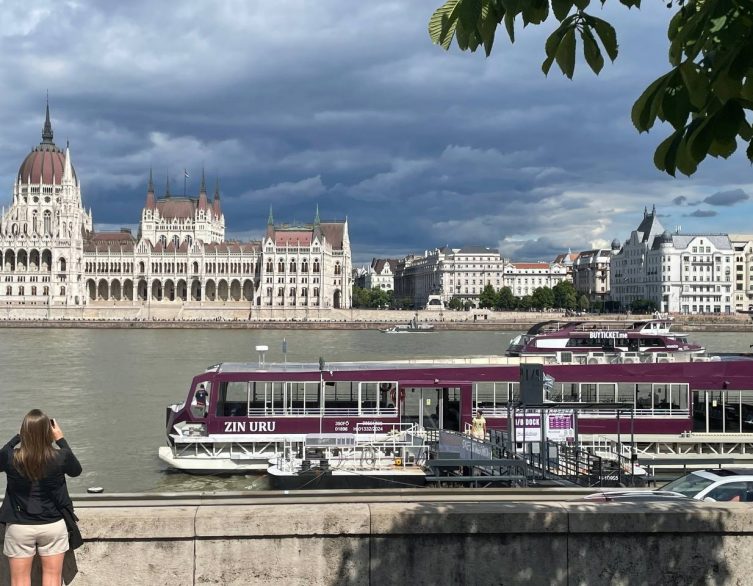
Brand-New Buses: The Mercedes Citaro Fleet
On the bus front, Budapest began receiving 142 new Mercedes-Benz Citaro G articulated diesel buses from summer 2025. These are among the most trusted urban buses in Europe, known for their reliability and passenger comfort. From April 1st, the first of these vehicles will be visible on Lines 148 and 159, and they have already started appearing on routes 8E and 133E — lines connecting the city centre with neighbourhoods like Újpalota, Budafok, Nagytétény, and Gazdagréte. As the rollout continues, they’ll spread to more inner-city and South Pest routes, including services in Csepel, Soroksár, and Pesterzsébet.
Alongside the articulated Citaros, BKK is also deploying 24 MAN Lion’s City solo diesel buses, adding further capacity on busy urban corridors. Together, these 166 new diesel vehicles represent a major step forward in comfort and reliability for everyday commuters and curious tourists alike.
Going Green: Budapest’s Electric Bus Revolution
Perhaps the most forward-thinking part of the fleet renewal is Budapest’s leap into electric buses. By 2027, 70 fully electric buses will be in service across the capital — a landmark achievement that includes 20 electric articulated buses, a first for Hungary. The full order covers 50 BYD eBus B12 solo units and 20 BYD eBus B19 articulated units, all offering zero emissions, whisper-quiet operation, and spacious, air-conditioned interiors. You can already encounter these e-buses on inner-city routes, in the Buda Hills, along Rákóczi Avenue, and on Lines 105 and 210.
Compact but Mighty: The MaxiMidi Buses
Not every street in Budapest is wide enough for a full-size bus, and that’s where the new 65 Mercedes-Benz Citaro K MaxiMidi buses come in. These vehicles sit between a standard midi bus and a full solo bus in size — perfect for the narrower, lower-demand routes that wind through the Buda Hills. They are already running on routes like Lines 27, 39, and 65, with more lines to follow.
How to Make the Most of the New Fleet
Navigating Budapest’s public transport network is easier than ever thanks to the BudapestGO app, BKK’s official travel planner, where you can buy digital tickets, check real-time departures, and plan door-to-door routes across the entire network. A single-ride ticket covers all buses, trams, trolleybuses, and the metro — so once you’re tapped in, the city is yours to explore. With 51 new trams, hundreds of new buses, and a growing fleet of silent electric vehicles hitting the streets, Budapest is quietly becoming one of the best cities in Europe to get around without a car. Whether you’re heading to the baths, the ruin bars, or simply riding Tram 2 for the view, you’ll be doing it in style.
Related news
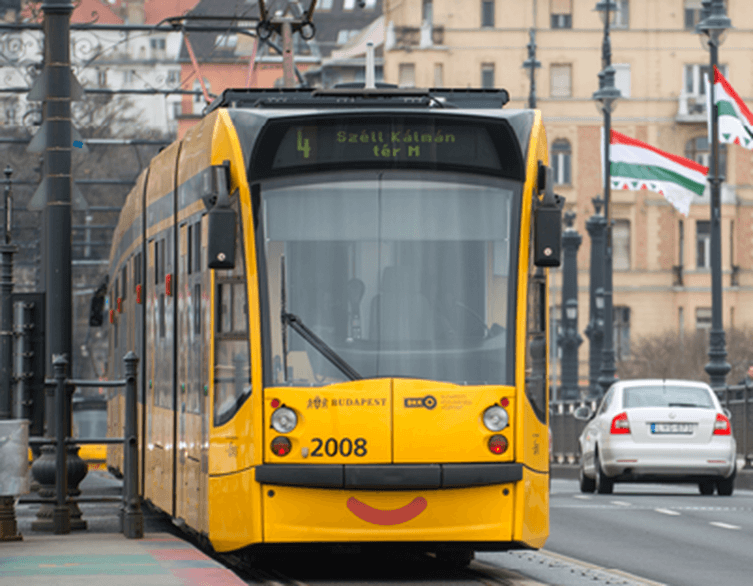
Budapest’s Giant Caterpillar Turns 20: The Remarkable Story of the Combino Tram
If you’ve ever ridden the iconic tram lines 4 or 6 along Budapest’s Grand Boulevard, you’ve almost certainly found yourself inside...
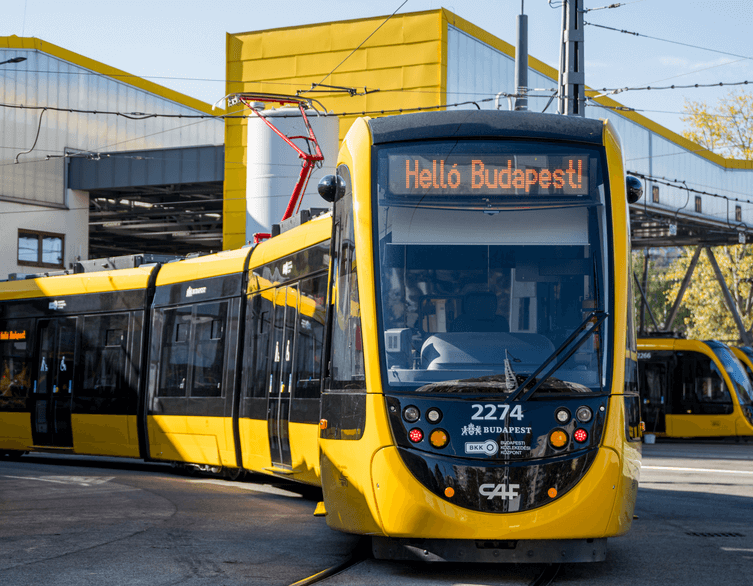
The 30th CAF Tram Has Arrived in Budapest — And the Best Is Yet to Come
If you’ve ever hopped on one of Budapest’s iconic yellow trams and wished for a smoother, cooler, and more comfortable ride, good news...
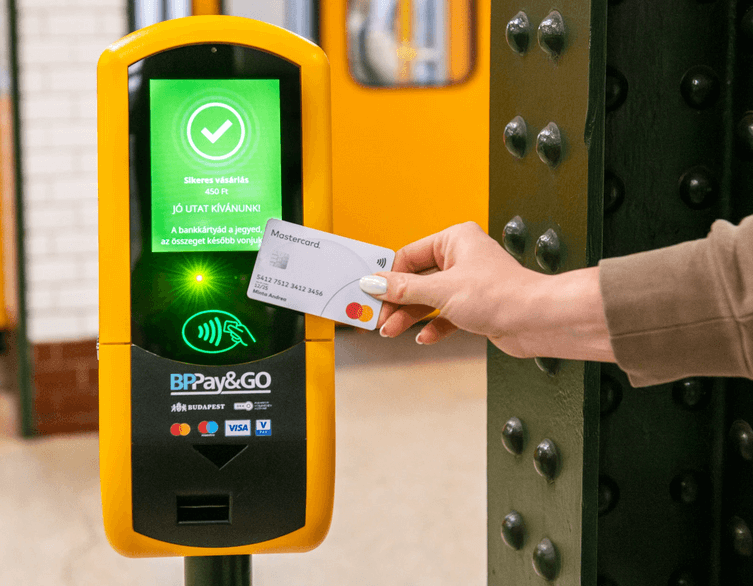
Tap and Go: Budapest Is Making Public Transport Easier Than Ever for Visitors
If you’ve ever arrived in Budapest, bleary-eyed after a long flight, and found yourself fumbling with unfamiliar coins at a metro ticket machine,...
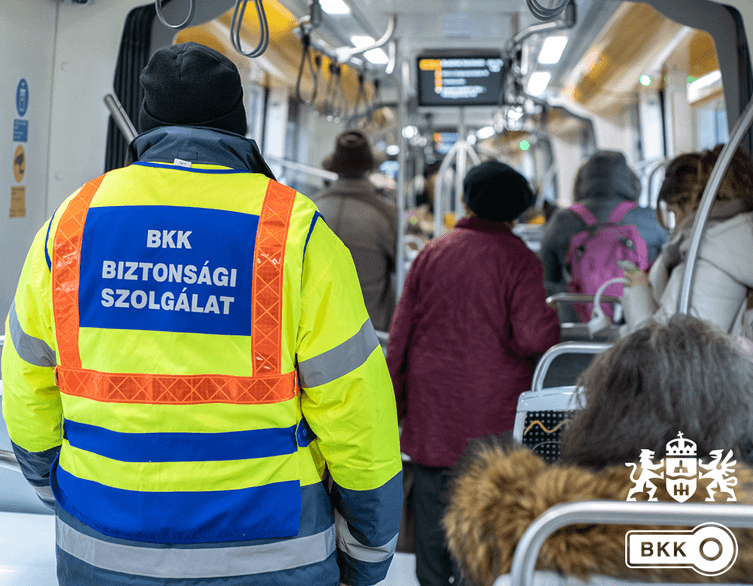
Safer Public Transport in Budapest: What Tourists Should Know About BKK and Police Checks in 2026
If you are planning to explore Budapest by tram, metro, or bus, there is some reassuring news from the city’s transport network. Budapest has been...
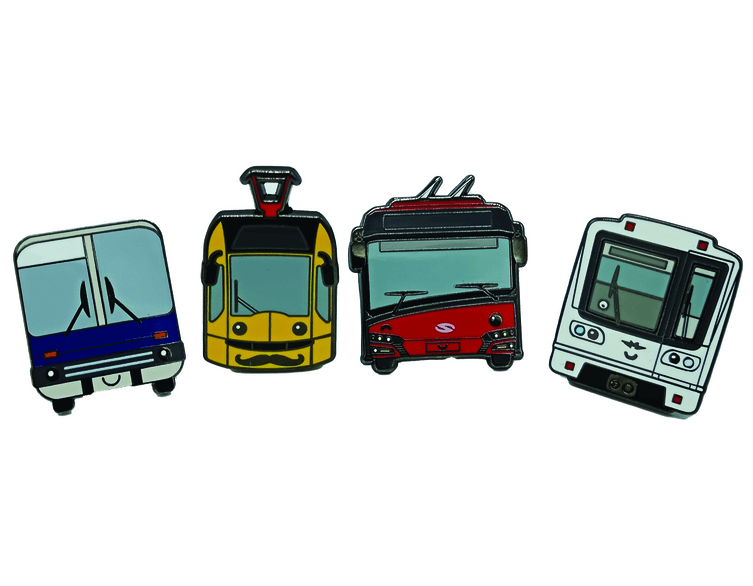
BKV Treasures: Perfect Souvenirs for Budapest’s Transport Lovers
Picture this: you’ve just stepped off a rattling yellow tram in Budapest, your kids buzzing with excitement from their metro adventure, and...