Budapest and the Olympic Dream: Could the Games Come to Hungary?
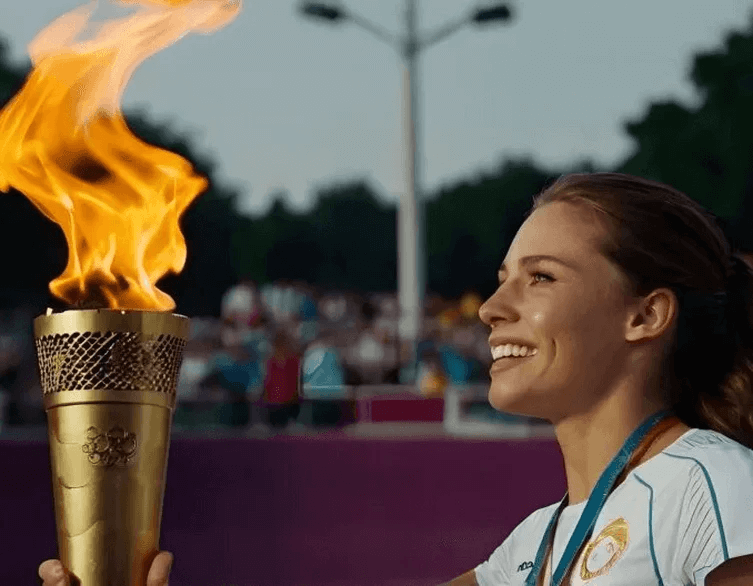
There’s a special kind of excitement in Budapest these days — the kind that stirs hope, pride, and perhaps a touch of wistful imagination. When Juan Antonio Samaranch Salisachs, Vice President of the International Olympic Committee (IOC), visited the Hungarian capital recently, his praise went far beyond polite diplomacy. He called Budapest a “strong candidate” for hosting the Olympic Games — and those words lit up a long-cherished dream in Hungarian hearts.
As the Hungarian Olympic Committee (MOB) celebrated its 130th anniversary, Samaranch’s remarks carried weight. His message was clear: Hungary now has the infrastructure, the passion, and the international credibility to be considered a serious contender. For travelers who know Budapest’s grand boulevards, historic baths, and Danube-side skyline, it’s thrilling to imagine these same streets alive with the Olympic spirit — athletes parading across the Chain Bridge, crowds cheering from Buda Castle Hill, and the entire city dressed in the colors of the world.
Why Budapest Feels Ready
Samaranch didn’t just look to the past; he looked firmly to the future. He pointed out that the Hungarian capital has achieved a level of development that places it among the front-runners of potential host cities. Modern transport systems, advanced sports venues, and a proven record of major international events — from the Athletics World Championships to the World Aquatics Championships — have transformed Budapest into a city with Olympic-level logistics.
His praise was matter-of-fact, not flattery. In the IOC’s eyes, the technical groundwork is already in place. The remaining ingredients, as Samaranch hinted, are political will and public unity. “If Hungary decided to make the move,” he said, “it would be seen as a very strong candidate.”
And perhaps he’s right. Budapest has been “punching above its weight” — to borrow Samaranch’s own phrase — for over a century of Olympic history. For a country of just under 10 million people, Hungary’s medal record is astounding. It ranks among the top nations in Olympic golds per capita, thanks to generations of swimmers, canoeists, and fencers who turned dedication into national pride.
A European Comeback for the Olympic Games
The timing may be perfect. Samaranch hinted that after Los Angeles (2028) and Brisbane (2032), the Olympic Games are likely to return to Europe — possibly as early as 2036 or 2040. If that happens, Budapest could find itself at the heart of a historic moment.
It would be Europe’s first Summer Olympics in decades — a return to the continent that gave birth to the modern Games. The IOC’s current philosophy favors sustainable, local infrastructure, meaning a Budapest Olympics could build on what already exists rather than create temporary monuments. That’s exactly the vision MOB President Zsolt Gyulay shared in a recent interview: an Olympics that leaves behind not empty stadiums, but better transport, improved metro lines, and long-term benefits for citizens and visitors alike.
Best deals of Budapest

Even Budapest’s mayor, Gergely Karácsony, has indicated openness — on the condition that major infrastructure projects, especially new metro lines, are part of the plan. The idea aligns with modern Olympic thinking: build for the city first, and let the Games follow naturally.
From the Danube to the World Stage
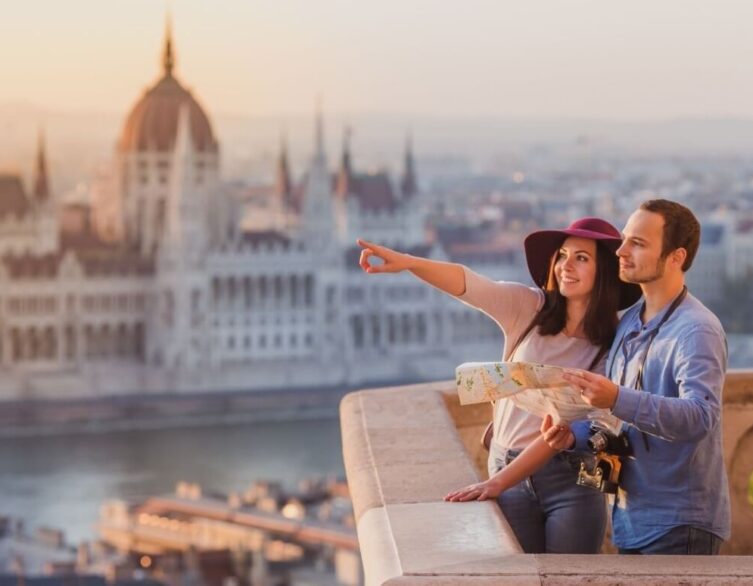
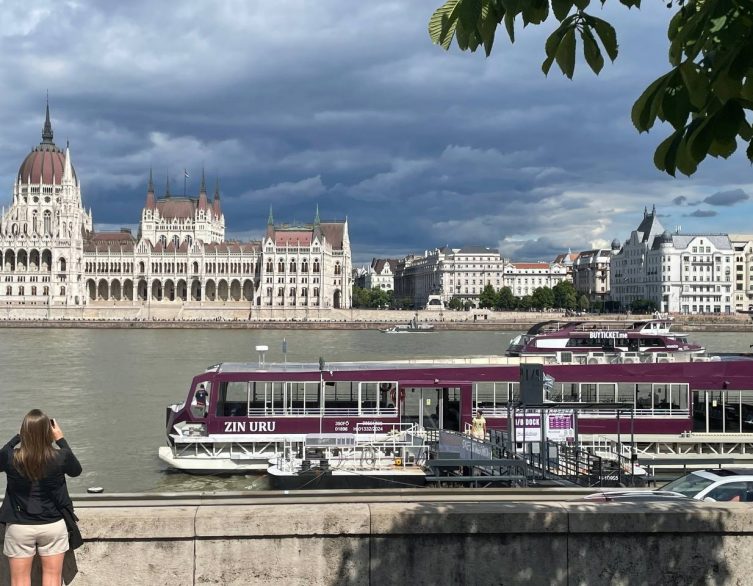
For tourists strolling along the Danube Promenade, it’s easy to see why Budapest inspires such confidence. The skyline alone tells a story of timeless ambition — Baroque hillsides on one side, Art Nouveau façades and thermal baths on the other. The city has successfully hosted world-class events that combine sporting excellence with cultural flair. Anyone who attended the 2023 World Athletics Championships at the new National Athletics Centre saw just how enthusiastically Hungarians celebrate global sport.
If the Olympics were to come here, the event wouldn’t only be about sports. It would be a grand celebration of European heritage, Hungarian creativity, and cross-cultural connection. Imagine synchronized swimming in the Duna Aréna, road races winding through Andrássy Avenue, and marathon runners crossing the Danube at sunrise — moments that would make history and tourism guides alike.
The Hungarian Olympic Spirit Lives On
As MOB President Gyulay Zsolt reminded, Hungary’s Olympic story stretches back to 1895, when the country was among the six founding members of the IOC. Since then, sporting heroes like swimmer Katinka Hosszú, kayaker Danuta Kozák, and fencer Áron Szilágyi have carried forward that proud tradition. Sport, he says, is part of the nation’s identity — a reflection of resilience and unity.
He also emphasized that Hungary’s sports system remains community-rooted and accessible. Local clubs across the country nurture thousands of young athletes, fostering a love of movement that echoes the Olympic ideal. “Our duty isn’t only to win medals,” Gyulay noted, “but to make sure every child has the chance to play, train, and dream.”
Budapest’s Next Leap Forward
The idea of a Budapest Olympics isn’t just fantasy anymore — it’s a growing conversation. The years ahead could see a partnership between local government, the national sports community, and international allies to craft a realistic vision for a sustainable Olympic Games.
For foreign visitors, that adds a new layer of fascination to this already captivating city. Exploring Budapest today means walking through a place where history and future constantly meet — where the same avenues that once echoed with royal processions and freedom marches may one day host the world’s greatest sporting spectacle.
And as the Olympic torch looks for its next home, Budapest is quietly, confidently preparing to shine.
Related news
Budapest’s Olympic Dreams: A Conversation about Hosting the Games
Hey there, sports fans! Have you heard the latest buzz about Budapest potentially hosting the next Olympic Games? Now, before we dive in, let’s...
Hungary: A Small Country Making Big Waves at the Olympics!
Hey there, sports fans! The Paris Olympics is making a huge hit this summer, but do you know which country has been quietly dominating the Olympic...