A New Little Legend on the Pest Bank: Piszkos Fred Joins Budapest’s Hidden Sculpture Trail
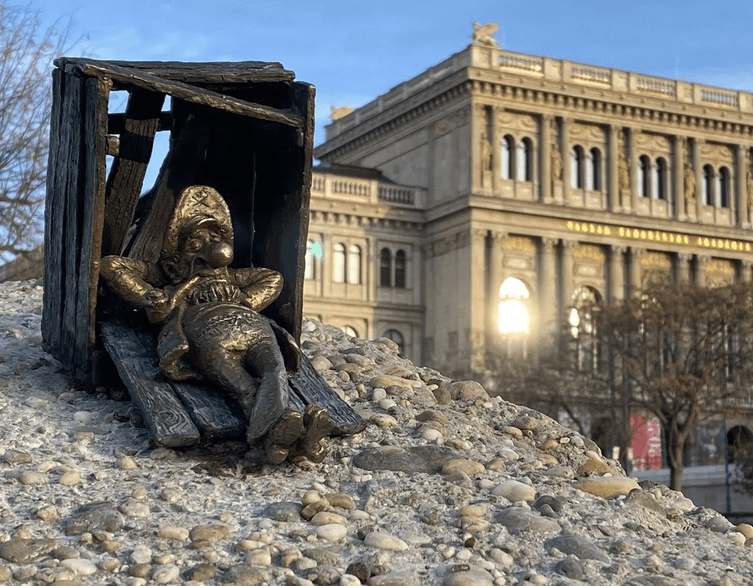
If you’ve been strolling along the Danube promenade near the Chain Bridge lately, you might have spotted a familiar face in an unexpected place. Lying back in his travel trunk, pipe in mouth, with that slightly mischievous, world-weary look, is none other than Piszkos Fred – the legendary antihero of Hungarian writer Jenő Rejtő – now immortalized as a tiny, cheeky bronze statue on the Pest side of the river. “Piszkos Fred” literally means “Dirty Fred,” but don’t picture someone unclean; think of him as a rough, roguish, hard-drinking sailor with a sharp tongue and a knack for trouble. This is the latest gift from Mihály Kolodko, Budapest’s beloved “guerrilla sculptor,” and it’s already becoming one of the city’s most charming, offbeat photo spots.
The Man Behind the Mini Masterpieces
Mihály Kolodko is no ordinary sculptor. Over the years, he’s quietly placed a whole series of small, witty bronze figures around Budapest, each one a nostalgic nod to Hungarian pop culture, history, or everyday life. There’s the Főkukac (the beloved character from a classic Hungarian children’s TV show), the Trabant cars (the iconic East German car, a symbol of the 1970s–80s), Chuck Norris in full action pose, and even subtle references to the war in Ukraine and West German tourists of the 1970s. His works are small in size but big in character – and they always spark a smile, especially among locals who recognize the references.
This year, for Christmas, Kolodko chose one of Hungary’s most iconic literary figures: Piszkos Fred (Dirty Fred), the roguish, hard-drinking, sharp-witted captain created by Jenő Rejtő. Now, he’s “resting” on the Pest bank of the Danube, near the Hungarian Academy of Sciences (Magyar Tudományos Akadémia) and Széchenyi István tér (Széchenyi István Square), as if he’s just taken a break from one of his wild adventures.
Best deals of Budapest









Why Piszkos Fred Fits Budapest So Perfectly
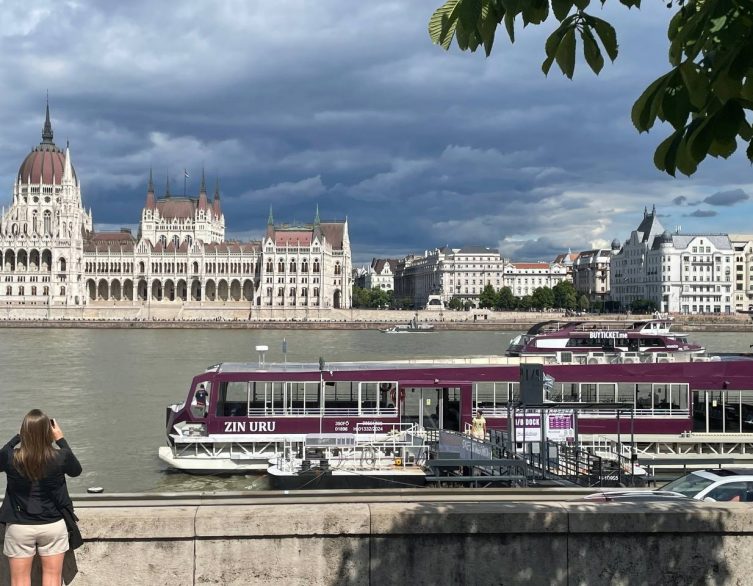
Piszkos Fred (Dirty Fred) may be a fictional character, but he feels very real to Hungarians. His stories – full of exotic ports, shady deals, and absurd situations – are classics of Hungarian literature, often read with a mix of laughter and nostalgia. Placing him here, right by the Danube and the Chain Bridge, is a stroke of genius. The river has always been a symbol of travel, trade, and adventure in Budapest, and Fred, as a sailor and wanderer, belongs here perfectly.
For foreign visitors, this little statue is a fun gateway into Hungarian culture. You don’t need to know Rejtő’s novels to appreciate the humor and craftsmanship of the piece. Just seeing this grizzled, pipe-smoking captain lounging in his trunk, right by one of the most beautiful river views in Europe, is enough to make you stop, smile, and snap a photo. It’s the kind of detail that turns a regular sightseeing walk into a real adventure.
Where to Find the New Kolodko Sculpture
The new Piszkos Fred (Dirty Fred) statue is located on the Pest side of the Danube promenade, very close to the Hungarian Academy of Sciences (Magyar Tudományos Akadémia) and just a short walk from the Chain Bridge, on the Széchenyi István tér (Széchenyi István Square) side. If you’re coming from the city center or the Parliament, it’s easy to include in your route.
The best time to visit is in the late afternoon or early evening, when the light is soft and the Chain Bridge is starting to light up. The view from this stretch of the river – with the Buda hills in the background and the Parliament glowing across the water – is already one of the most photographed in Budapest. Now, with Piszkos Fred added to the scene, it’s even more memorable.
A Christmas Tradition with a Twist
It’s almost becoming a Budapest tradition: every Christmas, a new Kolodko minisculpture appears somewhere in the city. Locals now keep an eye out, half-jokingly wondering what quirky figure Kolodko will choose next. Will it be another literary hero? A forgotten TV character? A nostalgic nod to everyday life in the 1980s? Whatever it is, it’s always placed in a spot where people walk, where they can discover it by chance – and that’s part of the magic.
For tourists, this means there’s always something new to discover, even if you’ve been to Budapest before. The city isn’t just about grand monuments and thermal baths; it’s also full of these tiny, playful surprises that make exploring so much fun.
How to Make the Most of Your Visit
If you’re planning to see the new Piszkos Fred (Dirty Fred) statue, combine it with a classic Budapest walk. Start at the Chain Bridge, cross to Buda if you haven’t already, then walk back along the Pest bank. On the way, you’ll pass the Parliament, the Hungarian Academy of Sciences (Magyar Tudományos Akadémia), and some of the best viewpoints along the Danube. Stop for a coffee or a glass of wine at one of the riverside terraces, then look down near the water’s edge for Fred in his trunk.
Bring a camera – or just your phone – because this is the kind of photo that tells a story. And if you’re curious about who Piszkos Fred is, ask a local or pick up one of Rejtő’s books in English (some are available in translation). You’ll quickly understand why this character has such a special place in Hungarian hearts.
A Little Piece of Budapest’s Soul
What makes Kolodko’s sculptures so special is that they’re not just art – they’re little pieces of Budapest’s soul. They celebrate the city’s sense of humor, its love of stories, and its ability to find joy in the small, unexpected moments. Piszkos Fred (Dirty Fred), lying there on the riverbank as if he’s just stepped out of a 1930s adventure novel, is the perfect symbol of that spirit.
So next time you’re walking along the Danube, keep your eyes open. You never know what tiny bronze surprise might be waiting around the next corner – and who knows, maybe next Christmas, another one of Kolodko’s creations will be waiting to greet you.
Related news
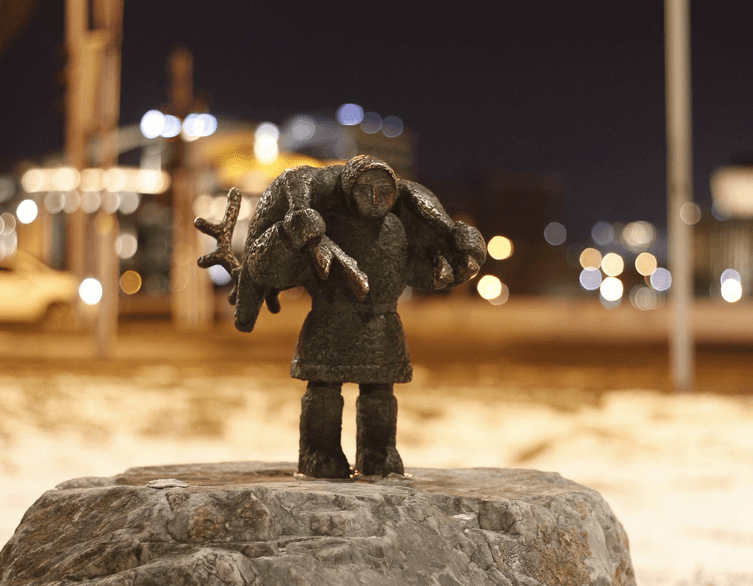
A New Kolodko Mini Statue Appears in Budapest: The Hanti Hunter by the Danube
Budapest never runs out of surprises, especially for those who love discovering the city’s small but captivating details. Just after Christmas,...
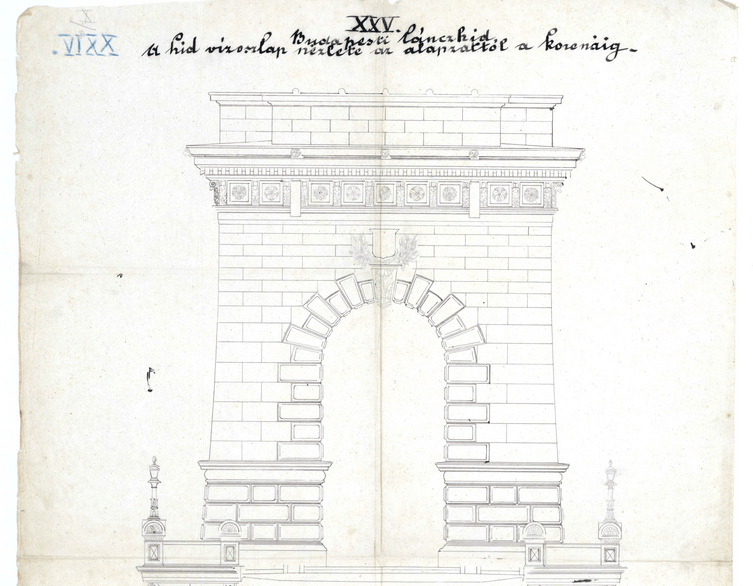
Adam Clark’s Lost Drawings: Budapest’s Chain Bridge Secrets Unveiled
Budapest’s world-famous Chain Bridge has long stood as a symbol of connection—between Buda and Pest, past and present. Yet, in autumn 2025, this...
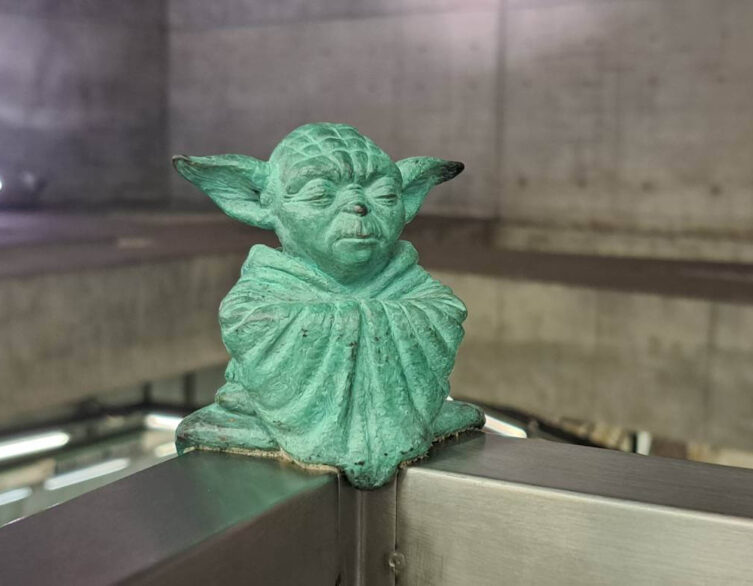
Budapest’s Hidden Gems: Kolodko’s Miniature Masterpieces
Budapest, the enchanting capital of Hungary, is home to a unique form of street art that has been captivating locals and tourists alike. Mihály...
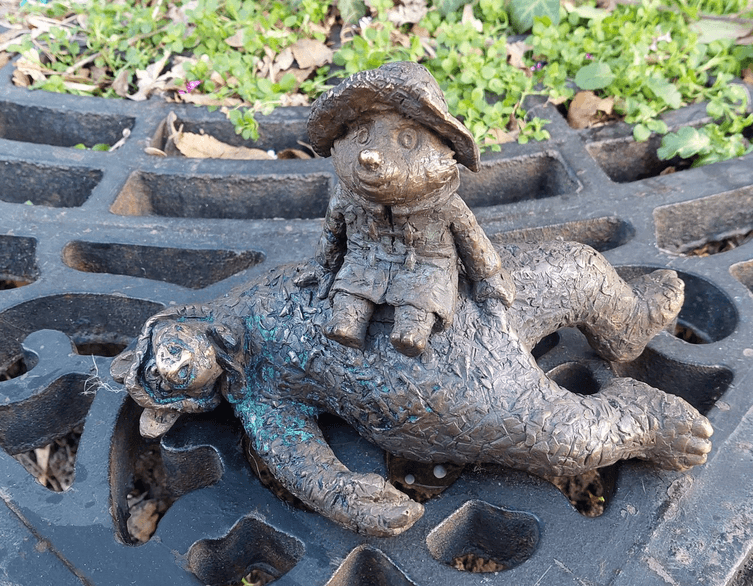
Kolodko’s Christmas Gift: A New Mini-Sculpture
Mihály Kolodko, the renowned guerrilla artist, has once again surprised Budapest’s residents with his new miniature sculptures. His latest...
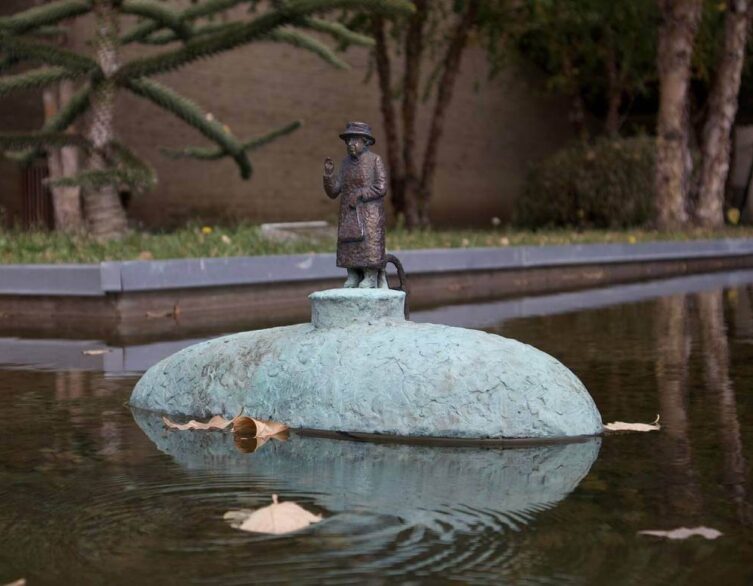
The Mysterious Kolodko Mini-Statue: Queen Elizabeth II on a Submarine in Budapest
Have you heard about the latest addition to the quirky collection of Kolodko mini-statues in Budapest? Well, get ready for a delightful surprise!...
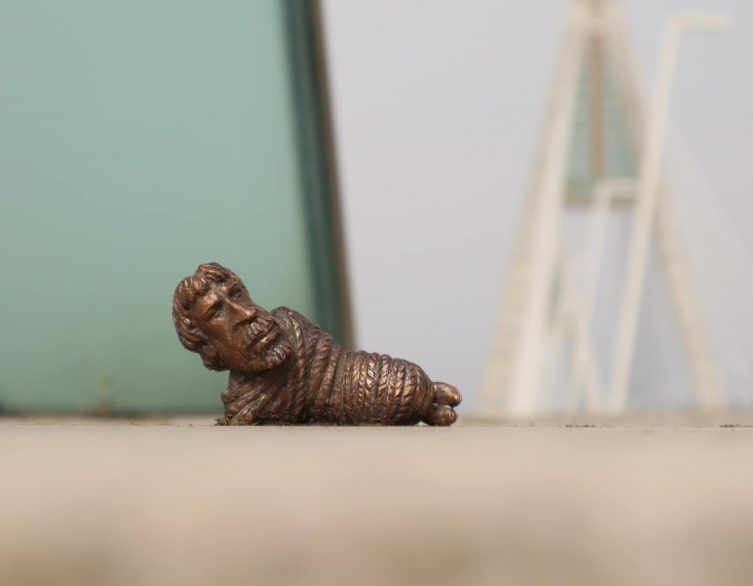
A Chuck Norris miniature emerges in Budapest
Keep an eye out for the newest creation from guerrilla artist Mihály Kolodko, famed for his witty small-scale figures dotted around the city.