A Musical Welcome: Budapest Airport’s Stunning New Liszt Installation

Where history, music, and travel meet
If you’re flying into Budapest this winter, you’re in for a special kind of welcome. At Ferenc Liszt International Airport, the city’s main gateway, a striking new art installation has just opened — a three-dimensional portrait of the great Hungarian composer Ferenc Liszt, created from hundreds of vintage instruments and historical fragments.
This isn’t just a piece of airport decor. It’s the grand finale of a year-long celebration marking the 75th anniversary of the airport’s opening, and it turns the arrival experience into something quietly magical: a moment where music, history, and modern travel come together in one unforgettable image.
A portrait made of sound
The installation, unveiled on December 19, 2025 in Terminal 2B, was created by Czech artist and sculptor Patrik Proško, known for his large-scale, thought-provoking works across Europe and beyond. What makes this piece so special is how it was made: Proško used only period artifacts connected to Liszt’s life and music — old pianos, instrument parts, and even historical documents — to build a complex, layered portrait of the composer.
The work is an anamorphic sculpture, meaning it only comes into focus from a specific viewing angle. As you walk through the terminal, the image of Liszt seems abstract, almost like a puzzle of wood and metal. But when you find the right spot, everything aligns: the scattered pieces suddenly form a clear, powerful likeness of the composer, as if the music itself has taken shape.
Best deals of Budapest








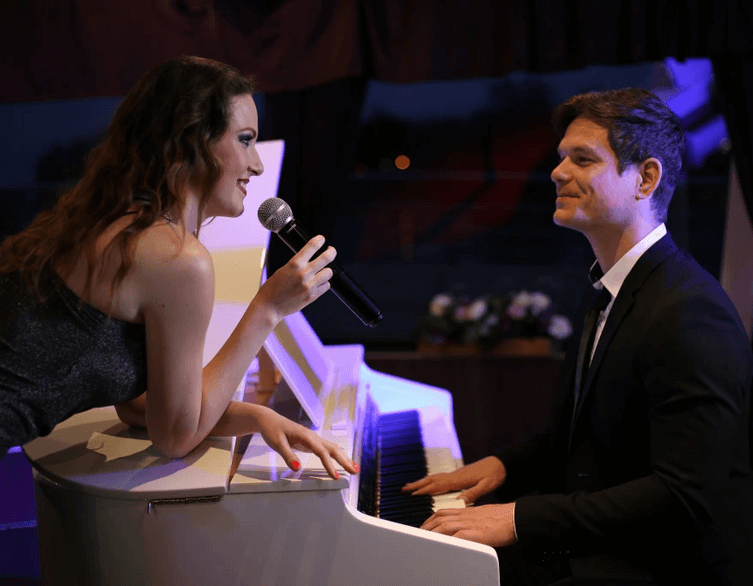

Proško describes the installation as a kind of stage — a visual metaphor for how music is born. Inside Liszt’s head, a piano represents his creative mind, where ideas are transformed into scores and symphonic poems. Around it, the instruments and workshop-like elements show the journey from inspiration to performance, turning the whole piece into a tribute to Liszt’s genius and the creative process itself.
Why Liszt? Why now?
Ferenc Liszt is more than just a famous name on the airport’s sign. He’s one of Hungary’s most iconic cultural figures — a virtuoso pianist, composer, and teacher whose influence still echoes in concert halls around the world. Naming the airport after him was always a statement: this is a place that welcomes travelers not just with efficiency, but with a deep connection to Hungarian art and identity.
The 75th anniversary gave Budapest Airport the perfect chance to celebrate that connection. Throughout 2025, the airport hosted a series of events honoring both its own history and Liszt’s legacy: a special Liszt concert, a Piano Day celebration, a limited-edition LEGO model of Terminal 1, and even a children’s book and video series created by airport staff.
The Liszt installation is the emotional high point of that year — a permanent reminder that this airport is more than a transit hub. It’s a cultural threshold, the first place where millions of visitors encounter the spirit of Budapest.
A year of records and a future of growth
2025 wasn’t just a year of celebration; it was also a record-breaking one for the airport. Passenger numbers hit new highs, reflecting Budapest’s growing popularity as a European destination.
At the inauguration, Máté Lóga, Chairman of the Board of Directors of Budapest Airport, described the anniversary as a meeting of past and future. The Liszt installation, he said, is a fitting end to a great year — but it’s also a bridge to what’s coming next.
Major developments are already on the horizon: preparations for a new terminal are underway, and in the meantime, the current terminal is being upgraded. Security screening and check-in areas are being expanded, the parking system is being modernized, and Pier B is getting a significant extension. All of this is part of a long-term plan to build the airport of the future — one that’s not only more efficient but also more comfortable and more connected to the city it serves.
What this means for travelers
For tourists arriving in Budapest, the Liszt installation is more than just a photo opportunity (though it’s definitely that, too). It’s a gentle introduction to the city’s soul: a place that values music, history, and beauty, even in the busiest of spaces.
Standing in front of the sculpture, you’re reminded that Budapest isn’t just about thermal baths, ruin bars, and Christmas markets. It’s also a city of composers, poets, and artists — a cultural capital where creativity has always been at the heart of everyday life.
And for those who love classical music, the installation is a small but meaningful invitation: once you’ve collected your luggage and found your way into the city, Liszt’s world is waiting. You can visit the Liszt Ferenc Academy of Music, explore the Hungarian State Opera House, or simply sit in a café and listen to his music drifting from a nearby piano.
A warm, artistic welcome to Budapest
In an age when airports can feel anonymous and rushed, Budapest’s new Liszt installation stands out as something different: a moment of stillness, beauty, and meaning.
Whether you’re here for a weekend getaway, a long city break, or a visit to family and friends, that first glimpse of Liszt’s face — built from the very instruments that brought his music to life — is a quiet but powerful message: welcome to Budapest, a city that sings.
So next time you’re passing through Terminal 2B, take a few extra minutes. Find the right angle, let the image come into focus, and let the music begin.
Related news

World Piano Day in Budapest 2026: Your Complete Guide to the Best Events This Spring
If you’re visiting Budapest in late March 2026, you’ve picked the perfect time to fall in love with the city’s music scene. World...

World Piano Day at Budapest Airport: Where Your Journey Begins With Live Music
Imagine this: you’re rolling your suitcase through the terminal, coffee in hand, mentally running through your packing list — and then, out...

Budapest Airport’s Green Revolution: How RESILIMET Keeps Your Flights Storm-Proof
Ever worried about a sudden downpour delaying your Budapest getaway? At Ferenc Liszt International Airport (BUD), that’s becoming history thanks...
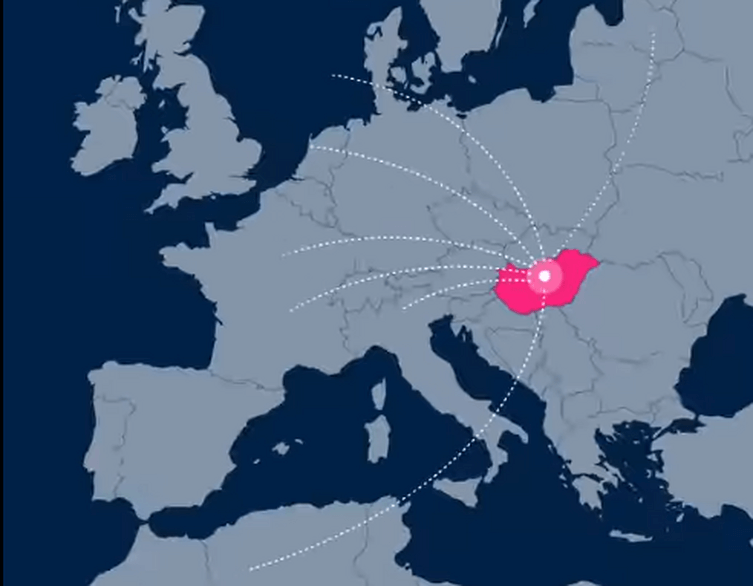
Budapest Airport Alerts: Middle East Tensions Disrupt Flights—Stay Ahead as a Tourist
Hey, Budapest-bound traveler, if you’re packing for thermal baths and ruin pub crawls, here’s your heads-up: escalating Middle East tensions...
Wizz Air System Maintenance: What Budapest Travelers Need to Know This Week
If you’re planning to fly with Wizz Air in the coming days, here’s a quick heads-up: the airline will temporarily shut down its booking and digital...

Fly to Budapest in 2026: new Ryanair routes, smart tips and what to expect
Budapest has always been a dream city for weekend escapes and longer European trips, but in 2026 it becomes even more accessible thanks to Ryanair’s...

Budapest Airport Made Easy: How to Use the 100E Airport Express Like a Local
If you are already dreaming of spring or summer in Budapest and busy booking flights, there is one thing you really do not have to stress about:...
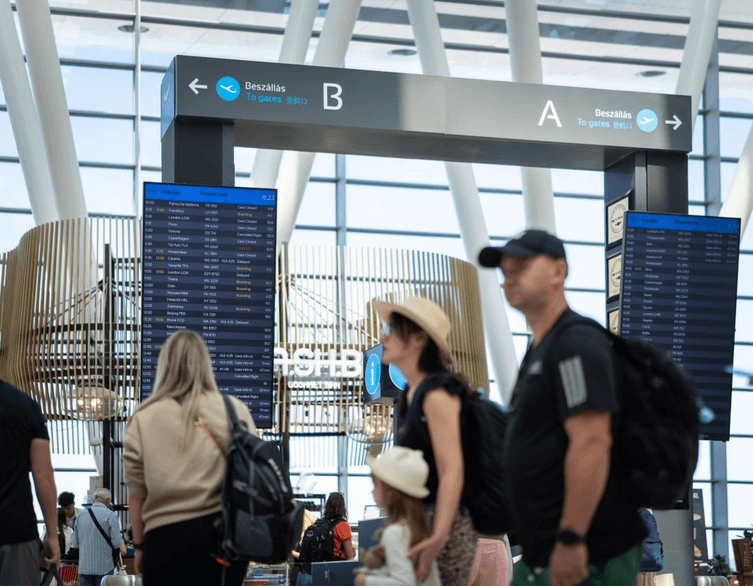
Budapest Airport Turns 75 — and Breaks Records Along the Way
If airports could throw themselves a party, Budapest Airport just had an unforgettable one. The Hungarian capital’s gateway to the world...

Flying Through Budapest? What You Need to Know About the New Powerbank Rules on Lufthansa Flights
If you’re planning a trip to or from Budapest and flying with Lufthansa, Austrian Airlines, Swiss, Brussels Airlines, or...

Update! Budapest Airport After the Snow: What Travelers Need to Know Right Now
When heavy snow falls across Budapest, the first place it disrupts is often Ferenc Liszt International Airport. On the morning of January 7,...

Budapest Gets Closer to the Baltics: More Air Baltic Flights from Summer 2026
If you’ve been dreaming about combining Budapest’s thermal baths and ruin bars with a Baltic city break, your travel plans just got a lot easier....
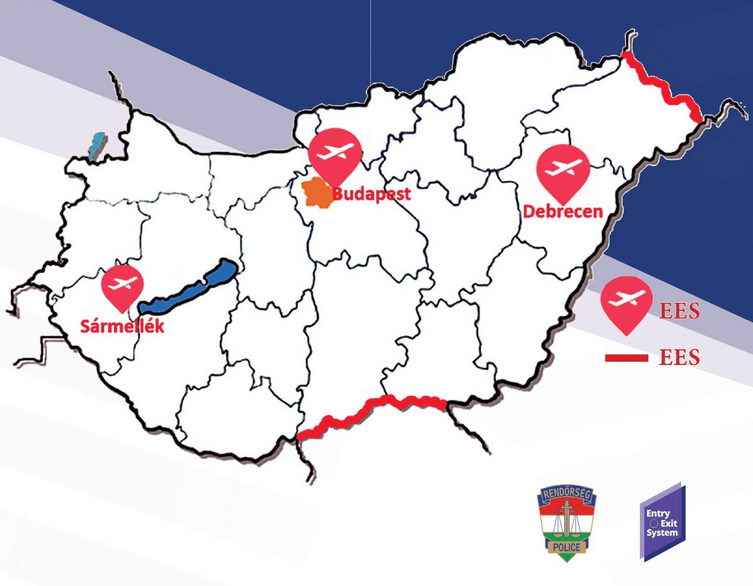
EES Border Control System Transforms Travel Through Budapest Airport
If you’re planning a trip to Budapest from outside the European Union, there’s an important change you need to know about. Starting November...

Franz Liszt Takes Flight: Budapest Airport’s Musical Tribute to a Legend
Your journey through Budapest begins the moment you step into Ferenc Liszt International Airport, and not just because you’re arriving in Hungary’s...

Making the Most of Your Time at Budapest Airport: A Complete Guide for Travelers
Flying through Budapest’s Ferenc Liszt International Airport doesn’t have to be a mundane waiting experience. Whether you’re a...