Winter Coats and Life Goals: What Budapest Zoo’s Big Cats Can Teach You About Post-Holiday Nutrition

The Christmas holidays may be over, but the festive glow is still going strong in Budapest – and not just for humans. Somewhere between your third slice of bejgli and that “just one more” mulled wine, the big cats at the Budapest Zoo have quietly stayed in peak winter shape, wrapped in luxurious fur coats that would put any designer brand to shame. While you may currently feel more like a sleepy house cat after the festive season, these tigers and leopards are living proof of what balanced nutrition can do for a body – and a coat.
Winter-Proof Big Cats in Budapest
At the Budapest Zoo, the Siberian tigers – including Dárius, Ágnes and their cub Léna – spend their winter days happily lounging outside, completely unimpressed by the chilly Hungarian weather. For them, a Budapest winter feels almost mild compared to the brutal cold of their natural habitat, where snow can reach 30–60 centimeters and temperatures often stay well below minus 10 to 20 degrees Celsius for months on end. Their secret is not magic, but biology: thick layers of subcutaneous fat and a long, multi-layered coat that turns them into perfectly “winterized” predators.
They are not alone in treating the cold like an optional inconvenience. Next door, Persian (also known as Caucasian) leopards Akhum and Banu also prefer the fresh air to indoor comfort. These leopards are the largest of the nine recognized leopard subspecies, and in the wild they roam the steppes and sparse conifer forests of Iran at altitudes between 600 and 3,800 meters. Their fur becomes densely packed and silky in winter, growing up to around 65–70 millimeters in length, and their strong, grippy paws let them move confidently along icy branches while they stash their prey high above the ground.
The Art of Luxurious Fur
For visitors, it is easy to stand at the viewing platform, stare at a tiger’s magnificent coat and think, “That’s a better winter jacket than anything I packed.” That rich, glossy fur is not just about genetics; it is also a mirror of the animals’ overall health and diet. The zoo’s carnivores are fed carefully calculated meals that provide the right balance of energy, proteins, fats, vitamins, and minerals their bodies need to build muscle, maintain organ function, and keep their fur in excellent condition. Just like human hair and skin reflect lifestyle and nutrition, a tiger’s or leopard’s coat reveals whether its internal “fuel” is truly up to standard.
Best deals of Budapest










Balanced nutrition helps their bodies constantly renew fur and skin cells, replace damaged hairs, and maintain that iconic, photogenic shine. In the wild, these animals would rely on prey species for their nutrients, but in Budapest they enjoy a precisely adjusted menu that gives them everything they need, without the stress of hunting. In other words, they get the benefits of a high-quality, species-appropriate diet while saving their energy for climbing, playing and majestically ignoring tourists.
Behind the Scenes: A Very Busy Zoo Kitchen
While you decide whether to have another lángos in the city center, the zoo’s feeding center has already been awake since 6 a.m. In the zoo’s dedicated food preparation hub, staff rush between crates of apples, bananas, carrots, cheese, cocktail shrimp and even “monkey biscuits,” preparing tailored portions for more than seven thousand animals representing 647 species. Each box is labeled for a specific animal house and loaded onto a small electric truck that winds its way through the park so everything arrives fresh and on time.
Feeding zoo animals is far from a simple “one size fits all” operation. Every species has different needs, and keepers know not only what a tiger or an elephant eats in general, but also which individual prefers which treat and who might need a special diet that week. For some residents, that might mean extra vegetables; for others, less fat or a different protein source. It is a level of personalized nutrition most humans only dream about – especially after a holiday period spent “balancing” meals with, well, more meals.
Why Diet Matters – For Them and for You
At its core, feeding animals is about providing nutrients, not just filling stomachs. The animal body uses food both as building material and fuel: it needs energy to move, stay warm and keep organs functioning, and it needs proteins, fats, vitamins and minerals to renew tissues, grow fur, replace lost feathers or repair skin. This is why both animal feed and human food often list energy content in kilojoules and kilocalories per 100 grams – those numbers are not just labels, they tell you how much “fuel” you are putting into the system.
Over centuries, animal nutrition has evolved from guesswork to a proper science called “takarmányozástan” in Hungarian – a field that combines chemistry, physics, anatomy, physiology and even botany to understand how nutrients are processed by different species. Today, modern zoos rely on scientific research and decades of observations to fine-tune diets for everything from antelopes and zebras to armadillos and anteaters. The results are clear to see: healthy animals with strong bodies, good energy levels and, in the case of our big cats, winter coats that practically glow in the low December sun.
Now here is where you come in. Those same principles apply to humans too. A few weeks of festive indulgence might leave your skin and hair looking a bit less “Siberian tiger” and a bit more “post-party house cat.” Just as the leopards’ thick, shiny fur depends on high-quality protein, healthy fats and the right micronutrients, your own winter glow will thank you for fresh vegetables, lean proteins, good fats and a little moderation once the holiday markets close. Think of it as your personal “luxury fur maintenance program” – minus the spots and stripes.
From Exotic Diets to Everyday Lessons
Of course, not every animal at the zoo has a wild diet that easily matches a domestic species. Some, like giant anteaters or highly specialized insect-eaters, needed creative solutions long before Pinterest recipes were a thing. Over time, zoo nutrition experts experimented, recorded what worked, discarded old myths (like the early belief that gorillas must surely eat meat because they look so strong), and slowly built up a solid body of knowledge on what keeps each species at its best.
Today, the Budapest Zoo has a shopping list of around 300 different types of feed and food items each year, including roughly 63 tons of apples, 54.5 tons of carrots, nearly 9 tons of marine fish, 19 tons of raw meat, hundreds of thousands of crickets and grasshoppers, and even hundreds of kilograms of special anteater food. The daily feeding bill is not small either: on an average day, feeding the animals costs around two million forints. All this effort goes into making sure that from tiny insects to towering ungulates, every animal gets exactly what it needs to stay healthy, active and, in the case of the big cats, fabulously furry.
So as you explore Budapest in the calm after the Christmas rush, consider adding the zoo to your itinerary. Stand in front of the Siberian tigers or Persian leopards, admire their thick winter coats, and let them inspire your own post-holiday reset. They are living proof that the right fuel, given consistently, can create beauty, strength and resilience – whether you walk on two legs or four. And if you needed a sign that it is time to swap one of those leftover festive desserts for something a bit more balanced, a tiger’s immaculate fur might just be it.
Follow Budappest.com on Facebook
Related news
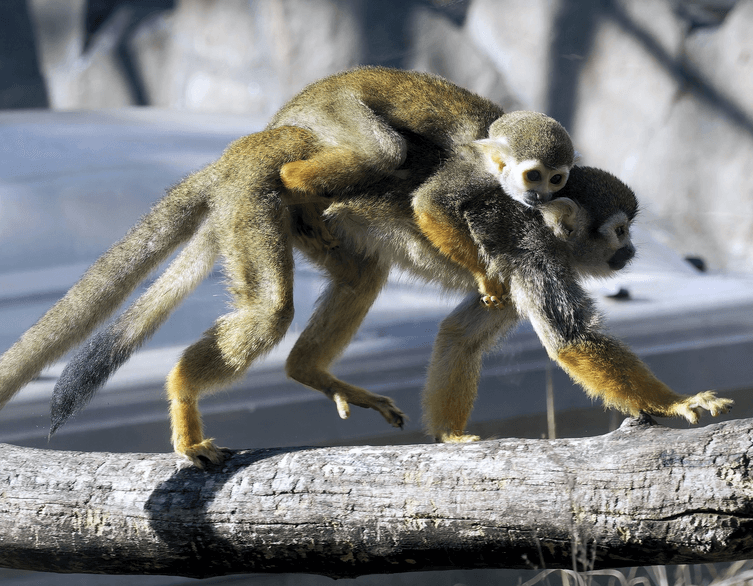
Budapest Zoo Baby Boom 2026 – Adorable New Arrivals for Tourists!
Budapest Zoo is buzzing with adorable baby animals right now, from fluffy squirrel monkey kids to waddling penguin chicks – perfect timing for...
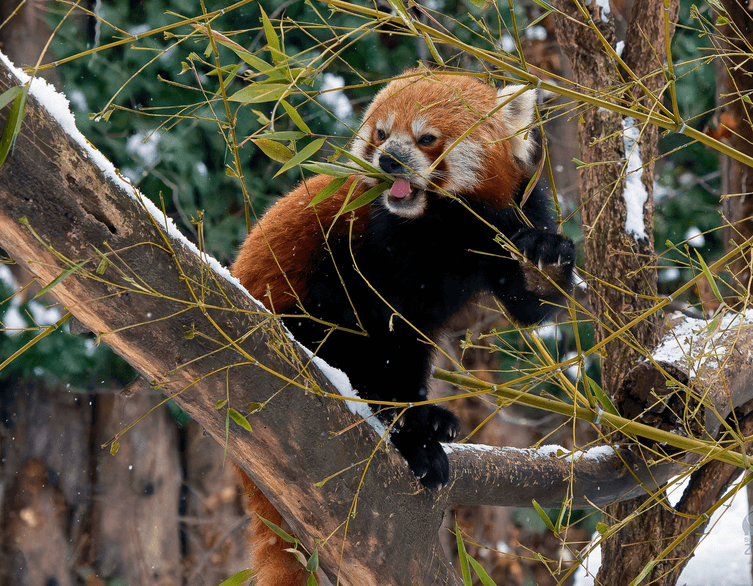
Budapest Zoo: Keeping It Green and Warm Even in the Coldest Winter
Did you know that you might be sharing your warm thermal waters at the Széchenyi Bath with red pandas? Well, almost! While you’re soaking...

Budapest Zoo Celebrates 160 Years: A Year-Long Anniversary Full of Life
If you’re planning a trip to Budapest in 2026, there’s one place where history, nature, and joy truly come together — the Budapest Zoo and...

Snow Lovers and Cozy Hibernators: How Budapest Zoo’s Animals Handle Winter
Winter has truly arrived in Budapest, and while tourists are bundling up in scarves and sipping hot chocolate, the residents of the Budapest Zoo...

A Snowy New Year in Budapest: How to Enjoy It Like a Local – Update!
Budapest stepped into 2026 wrapped in a soft blanket of snow, turning the city into a real-life winter fairy tale. Fireworks lit up the frosty sky...
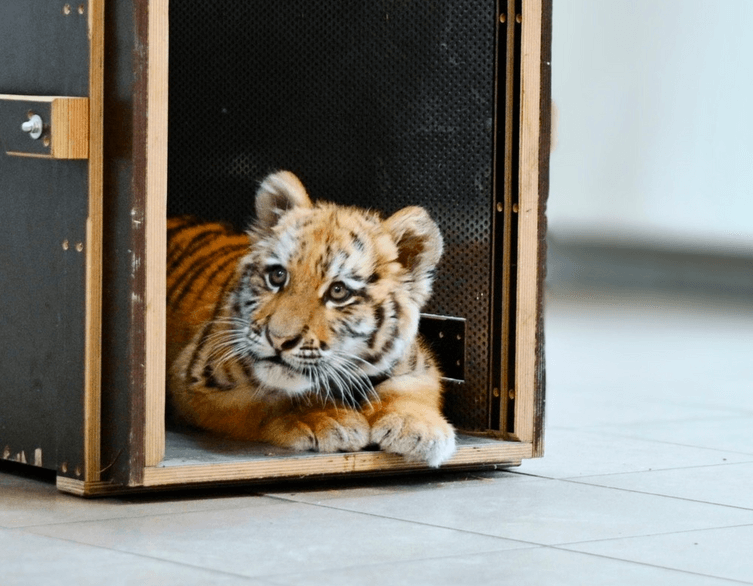
A Tiny Roar in Budapest: The Story of the Little Tiger Cub Capturing Hungary’s Heart
Budapest’s beloved zoo has a new star — a tiger cub whose story is as unexpected as it is heartwarming. What began as a police operation in a...

Can You Speak Gorilla? Budapest Zoo Thinks You Might Be Able To Soon
No Monkey Business It turns out Budapest isn’t just a city of spas, ruin bars, and thermal baths anymore — it’s also a place where you can...
How Budapest Zoo Advances Science (And Why You Should Care)
Every November 3rd, Hungary celebrates the Day of Hungarian Science, marking the anniversary of when Count István Széchenyi—known as “the...
Related events
Related attractions