Surviving the January Chaos at Keleti Station: Your Essential Guide to Budapest’s Train Changes
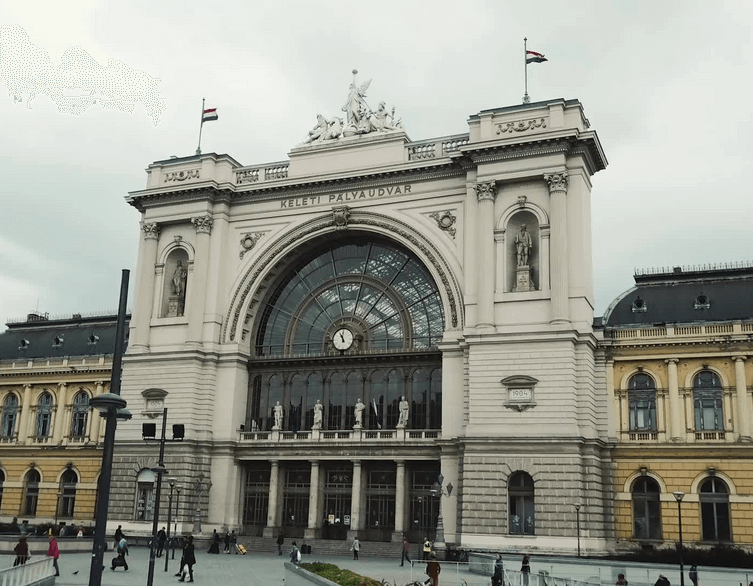
If you’re planning to explore Hungary this winter or need to travel between Budapest and the western regions of the country, there’s something important you should know before stepping onto a train. Starting January 12th, one of Budapest’s most iconic railway stations is undergoing a transformation that will temporarily reshape how you navigate the capital’s rail network.
The Keleti railway station, that grand 19th-century terminal you might recognize from countless travel photographs, is getting a serious upgrade. For about seven weeks—from mid-January through the end of February—many trains that normally arrive at this historic hub will instead terminate at Kelenföld station. While this might sound like an inconvenience, understanding what’s happening and why can help you plan your journey smoothly and even appreciate the exciting developments taking place in Hungary’s railway system.
Why All This Disruption?
You’ve probably heard whispers about the Budapest-Belgrade railway project, one of Central Europe’s most ambitious infrastructure developments in recent years. This isn’t just routine maintenance or cosmetic touch-ups. The project has reached a critical phase that directly impacts how Keleti station operates, and the changes you’ll experience are all part of preparing for something genuinely exciting.
The work focuses on two main objectives. First, construction crews are building a third track between Ferencváros and Kelenföld stations, which will dramatically increase capacity on this crucial section. Second, and perhaps most interesting for international travelers, they’re preparing Keleti to welcome a new era of cross-border connections when passenger service begins between Budapest and Belgrade in late February.
The most significant work is happening at platforms 12 and 13 at Keleti. These aren’t simple repairs—the entire platforms are being rebuilt and raised by approximately twenty-five centimeters. This specific height adjustment isn’t arbitrary. The Serbian railway has purchased modern Chinese-built electric trains for the international service, and these trains require platforms at a precise height to ensure barrier-free, safe boarding. When completed, these will be Keleti’s first truly accessible platforms, meeting contemporary European standards and making travel easier for elderly passengers, families with strollers, and anyone managing heavy luggage.
Kelenföld Takes Center Stage
During the construction period, Keleti’s capacity naturally decreases. To prevent overcrowding and delays, railway operators have made a practical decision: most long-distance trains arriving from western Hungary will turn around at Kelenföld instead of continuing to Keleti. If you’re arriving on one of these services, you won’t reach the familiar surroundings of Baross Square and the historic terminal building as you might have expected.
This requires some mental adjustment, especially if you’re a creature of habit. However, Kelenföld has evolved into an excellent transport hub in its own right. The station connects seamlessly with metro line 4, which whisks you directly into the city center, and multiple tram lines fan out from here to various districts. The journey downtown isn’t difficult, but you’ll need to factor in transfer time. If you normally settle in with a book and relax until Keleti, you’ll need to gather your belongings a bit earlier.
Which Routes Are Affected?
Let’s get specific about which trains will terminate at Kelenföld, because this matters if you’re planning trips to or from certain destinations. The changes primarily affect intercity services and some regional trains connecting Budapest with western and southern Hungary.
Traveling to or from Pécs, that beautiful southern city known for its early Christian monuments and Mediterranean atmosphere? All Mecsek InterCity trains will stop at Kelenföld. The same applies to most services from Kaposvár, though there’s one notable exception: the Rippl-Rónai InterCity departing Kaposvár at 16:00 will continue running all the way to Keleti as usual.
If you’re exploring western Hungary—perhaps visiting the charming baroque city of Sopron near the Austrian border, or Szombathely with its Roman ruins—the Scarbantia InterCity from Sopron and the Savaria, Dráva, and Mura InterCity trains from Szombathely will all use Kelenföld as their Budapest terminus. Again, there’s an exception: the Savaria InterCity leaving Szombathely at 19:10 maintains its full route to Keleti.
Some regional services are also affected, particularly if you’re traveling to Győr on weekday afternoons or certain routes to Dunaújváros. Weekend travelers should note that the Sunday afternoon Rába InterRegional from Szombathely also terminates at Kelenföld.
Best deals of Budapest











There are even a few specific dates when international Railjet services will require bus connections or shortened routes, particularly in late January. If you’re planning a trip to Vienna or beyond during that period, double-check your specific travel date.
What’s Coming Next?
The temporary inconvenience comes with a silver lining. When February ends and the construction wraps up, you’ll witness the launch of regular passenger service between Budapest and Belgrade for the first time in the modern era. This represents more than just a new train route—it’s a qualitative leap in regional connectivity and service standards.
The upgraded platforms at Keleti won’t be reserved exclusively for glamorous international travelers. Following requests from local communities and passenger advocacy groups, suburban trains will also use these modernized facilities. Starting in spring, even your daily commute could benefit from easier boarding, better accessibility, and improved comfort. Parents wrestling with strollers, elderly passengers, and anyone hauling oversized backpacks will particularly appreciate the difference.
Navigating the Changes Successfully
Professional travel planning becomes crucial during these weeks. My strongest recommendation is to abandon your usual routine temporarily. Before leaving your hotel or accommodation, check current conditions every single time.
The most reliable sources are the MÁV official mobile app or the online journey planner system called Elvira, which update in real-time as situations develop. Paper timetables posted at stations, while generally helpful, might not reflect the latest adjustments during this dynamic period. A quick check on your smartphone can save you considerable frustration and prevent you from standing on a cold platform wondering where your train went.
Consider this an opportunity to explore a different part of Budapest. Kelenföld station sits in a more modern district, and the metro ride into the historic center offers its own perspective on how this city blends old and new. The area around Kelenföld has excellent bakeries and coffee shops if you arrive early and need to wait, and the Bikás park nearby provides a pleasant green space.
The Bigger Picture
These modifications aren’t happening in isolation. They’re part of Hungary’s broader strategy to modernize its railway infrastructure and strengthen connections with neighboring countries. The Budapest-Belgrade line, once a vital artery of European rail travel, is being revived for the 21st century with faster trains, better service, and improved facilities.
For visitors to Budapest, this development carries practical implications beyond the temporary routing changes. The city is positioning itself as an even more accessible hub for exploring Central and Southeast Europe. When the new international service launches, you could potentially plan trips combining Budapest’s thermal baths and ruin bars with Belgrade’s fortress and vibrant nightlife, all by comfortable train.
The infrastructure improvements also signal Hungary’s commitment to sustainable transport. Modern electric trains with barrier-free access represent the kind of rail service that can genuinely compete with short-haul flights and long-distance driving, particularly for environmentally conscious travelers.
Patience and Perspective
Yes, the next several weeks require some flexibility. You might need to leave a bit earlier, download an app you haven’t used before, or simply pay closer attention to announcements than usual. But consider what’s being created: a more accessible, more connected, more modern railway system that will serve millions of travelers in the years ahead.
Budapest has weathered centuries of transformation, from Ottoman occupation to Habsburg grandeur to modern EU membership. The city’s railway stations have always been more than mere transport facilities—they’re gateways to adventure, reunion points for families, and symbols of connection across borders and cultures. The work happening now at Keleti continues that tradition, preparing this historic station for its next chapter.
So when you find yourself at Kelenföld instead of Keleti this January, take a moment to appreciate that you’re witnessing infrastructure history in the making. Check your app, plan your onward connection, and remember that these temporary adjustments are paving the way for better journeys ahead.
Related news
YouTuber Explores Hidden Depths of Budapest’s Keleti Railway Station
In a daring adventure that has captivated viewers, a YouTuber known as NotMe has once again pushed the boundaries of urban exploration. This time,...
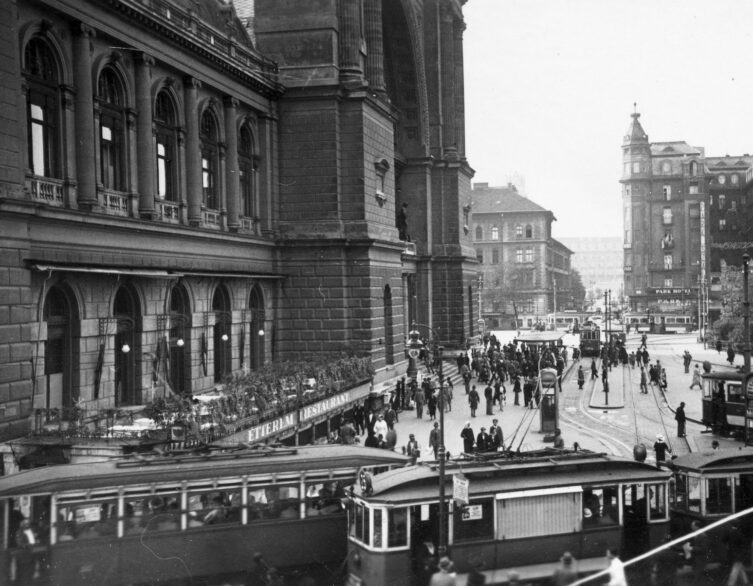
Celebrating 140 Years of Budapest’s Iconic Keleti Train Station
Budapest’s Keleti train station, one of the city’s most recognizable landmarks, is celebrating its 140th anniversary this year. Opened...