St. Martin’s Day in Budapest 2025: Your Complete Guide
St. Martin’s Day, celebrated on November 11th, stands as one of Hungary’s most beloved autumn traditions—a day when Budapest transforms into a celebration of abundance, community, and gastronomy. Known as “Márton-nap” in Hungarian, this festival marks the historical end of the agricultural year with roasted goose feasts, new wine tastings, and lantern-lit processions through the streets. For foreign visitors, experiencing St. Martin’s Day offers an authentic taste of Hungarian culture at its most delicious and heartwarming.
Understanding St. Martin’s Day in Hungary
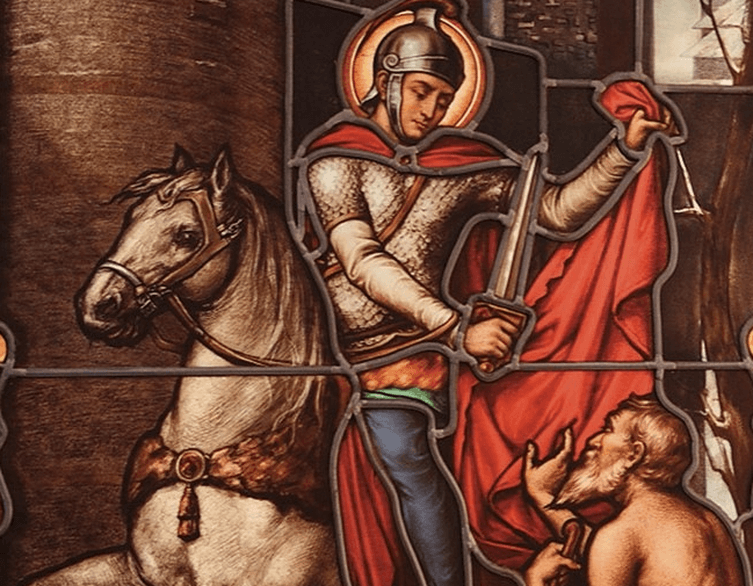
St. Martin’s Day honors St. Martin of Tours, a 4th-century Roman soldier who became a bishop and is renowned for his legendary act of charity. According to the most famous story, Martin encountered a freezing beggar on a cold winter night and cut his own military cloak in half to share it with the suffering man. That night, Martin dreamed of Jesus wearing the cloak, which led to his conversion to Christianity.
Another legend explains the connection to geese: When Martin was chosen to become bishop, he tried to hide from the honor, seeking refuge in a barn. However, noisy geese betrayed his hiding place with their honking, leading to his discovery and eventual consecration. Since then, eating goose on November 11th became both a playful “revenge” and a celebration of abundance before the traditional fasting period leading to Christmas.
In Hungary, St. Martin’s Day traditionally marked the end of the agricultural year—the last day when outdoor work could be completed before winter set in. Farmhands received their wages, contracts were settled, and communities celebrated the harvest’s completion. The day became deeply embedded in Hungarian folk tradition, blending Christian observance with age-old customs around food, wine, and community gathering.
The Goose Feast Tradition
Central to St. Martin’s Day celebrations is the feasting on roasted goose, a dish that has become synonymous with the holiday. A popular Hungarian saying warns: “He who does not eat goose on St. Martin’s Day will be hungry all year.” This superstition reflects the belief that participating in the feast ensures prosperity and abundance for the coming year.
The goose feast represents more than superstition—it symbolizes the farewell to the harvest season and preparation for winter. Traditionally, geese were fattened throughout autumn and reached their peak condition by early November, making this the ideal time for slaughter. The rich, fatty meat provided essential calories before the leaner winter months.
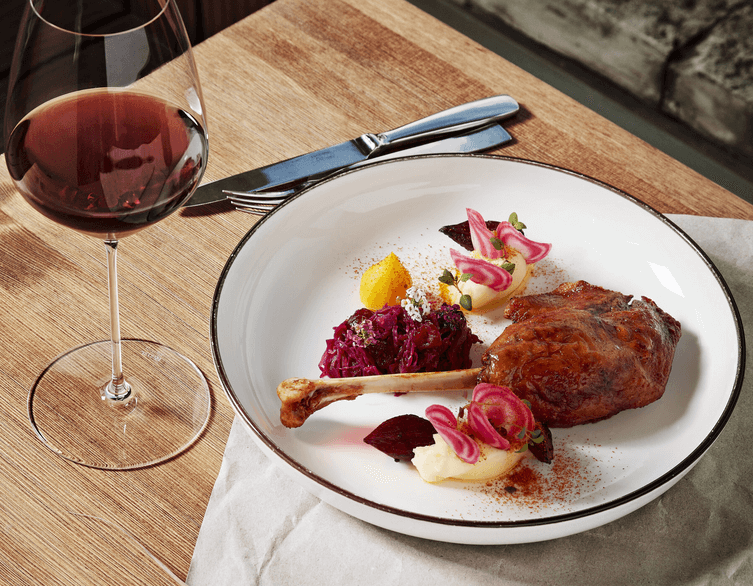
Traditional St. Martin’s Day goose dishes include roasted goose legs served with red cabbage and potato dumplings, goose soup made from the neck and giblets, crispy roasted goose with chestnut stuffing, and goose liver pâté. Every part of the bird is utilized, reflecting the resourcefulness of Hungarian culinary tradition.
In Budapest, the goose tradition has evolved from a rustic peasant ritual into a citywide culinary event. When the capital unified in the late 19th century, workers from the countryside brought their customs with them. Restaurateurs quickly recognized the potential, transforming the rural feast into an urban celebration. Today, restaurants across Budapest announce special St. Martin’s Day menus weeks in advance, and popular venues fill up fast.
New Wine Tasting
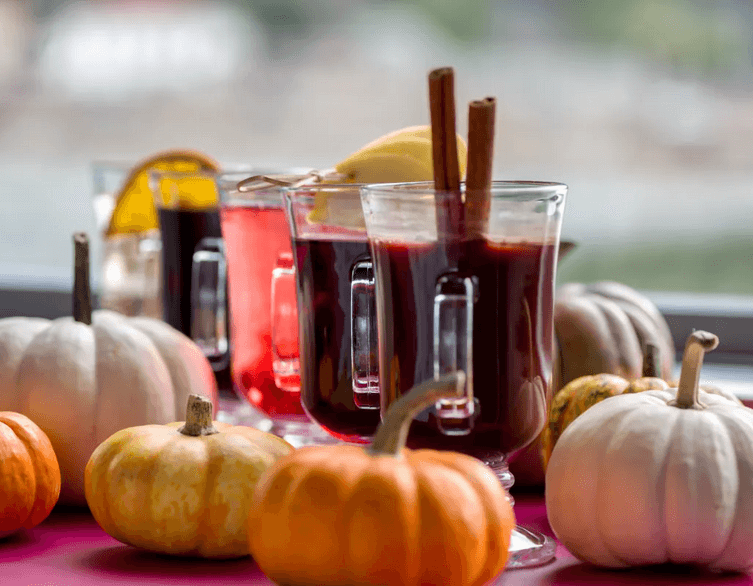
Alongside the goose, new wine takes center stage during St. Martin’s Day celebrations. November 11th traditionally marks the day when the year’s grape harvest has fermented just enough to be tasted—the wine is young, fresh, and slightly tangy, with fruity notes that cut through the richness of goose dishes perfectly.
The saying goes: “The wine of St. Martin is in the keg,” signaling that the new vintage is ready for its first tasting. Wine bars throughout Budapest feature special new wine tastings, offering visitors the chance to sample freshly fermented wines from Hungary’s renowned wine regions including Eger, Tokaj, Villány, and Sopron.
Wine cellars in the Castle District and trendy wine bars in the Jewish Quarter also organize special tasting events throughout the St. Martin’s Day period.
Lantern Parades and Community Celebrations
One of the most charming aspects of St. Martin’s Day in Budapest is the lantern parade tradition, inspired by German-speaking communities but enthusiastically adopted throughout Hungary. Children and families walk through the streets carrying handmade lanterns, singing songs dedicated to St. Martin and celebrating the light of good deeds in the darkening autumn season.
The parades typically begin around 4:30 PM on November 11th and are often led by a rider dressed as St. Martin in a Roman soldier’s red cloak. The procession usually culminates with a short play depicting St. Martin’s act of charity toward the beggar, followed by lighting a bonfire and sharing goose-shaped pastries and warm drinks.
Schools, churches, and community organizations across Budapest host lantern-making workshops in the days leading up to St. Martin’s Day, where children craft colorful illuminated lanterns from paper, cardboard, and other materials. The parades create a magical atmosphere as hundreds of glowing lanterns wind through Budapest’s streets, symbolizing community, kindness, and the power of light during the darkening season.
Where to Celebrate in Budapest
Restaurants and Dining
Nearly every traditional Hungarian restaurant in Budapest offers special St. Martin’s Day menus featuring roasted goose and accompanying dishes. The best establishments include traditional eateries along the Danube with views of the illuminated bridges, elegant dining rooms in District V serving multi-course goose menus, and cozy bistros in the Castle District offering intimate seasonal celebrations.
Many restaurants extend their St. Martin’s celebrations beyond November 11th, offering goose specialties from early November through mid-month. Reservations are essential, as popular venues book weeks in advance.
Great Market Hall
From November 6th through November 15th, the historic Great Market Hall transforms into a festive St. Martin’s Day marketplace. Regional producers specializing in seasonal foods set up stalls offering fresh geese, goose products, artisanal cheeses, honey, specialty mushrooms, and handcrafted chocolates. The market provides everything needed to prepare an authentic St. Martin’s Day meal at home, with direct connections to Hungarian culinary tradition.
Other markets also participate by holding special St. Martin’s themed days.
Hungarian Open Air Museum (Skanzen)
Located in nearby Szentendre, the Hungarian Open Air Museum hosts the St. Martin’s New Wine and Goose Festival on November 8-9, 2025. This atmospheric event features products from local wineries, traditional goose dishes, handicraft demonstrations, folk music, and children’s activities within the museum’s preserved historical village settings. The festival offers an immersive experience of how St. Martin’s Day was traditionally celebrated in rural Hungary.
Time Out Market Budapest
Time Out Market in District IX organizes special St. Martin’s Day celebrations on November 11th, bringing together multiple food vendors offering their interpretations of traditional goose dishes alongside new wine tastings, live music, and a festive market atmosphere.
Best deals of Budapest








Folk Traditions and Customs
Historical St. Martin’s Day observances included numerous folk customs and superstitions, many of which have faded but remain part of Hungarian cultural memory.
Weather predictions: St. Martin’s Day weather was believed to predict the winter ahead. If St. Martin arrives on a white horse (meaning snow), winter will be mild. If he rides a gray horse (overcast but dry), expect average winter weather. If his horse is black (rainy), the winter will be harsh.
Contract day: November 11th was traditionally when farmhands’ contracts ended and new ones began. Workers received their annual wages, and families made decisions about moving to new employment. This made St. Martin’s Day both a celebration and a day of transition.
Prohibition on work: After St. Martin’s Day, certain outdoor agricultural work became forbidden. The growing season had definitively ended, and attempting to plant or work the fields was considered bad luck.
Goose bone predictions: After the feast, the goose’s breastbone was examined to predict winter weather. A white or light-colored bone indicated a snowy winter, while a dark bone suggested a mild season.
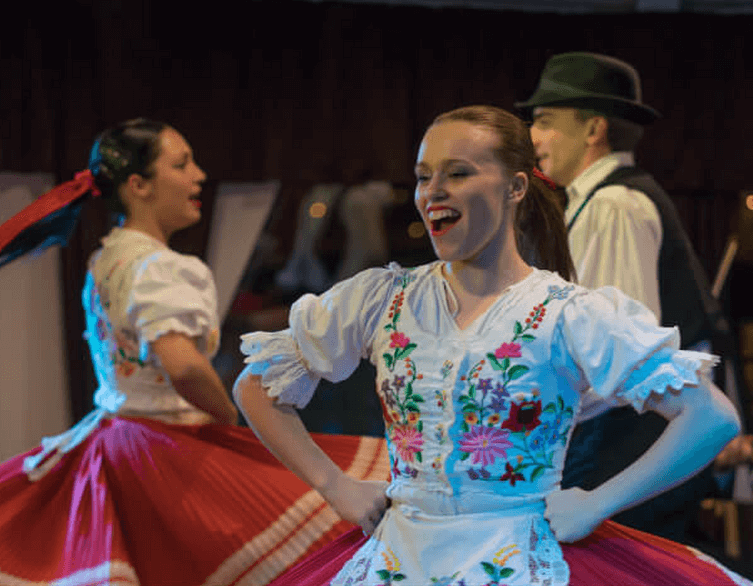
Community gatherings: St. Martin’s Day served as a time for community bonding. Families came together to share meals, neighbors exchanged food and wine, and villages organized collective celebrations with folk dances and music.
Activities for Visitors
Culinary Experiences
The primary way to experience St. Martin’s Day is through its food and wine traditions. Book a table at a traditional Hungarian restaurant offering a special goose menu, attend a new wine tasting event at a wine bar or hotel, visit the Great Market Hall to shop for ingredients and local products, or join a food tour that focuses on St. Martin’s Day specialties.
Many cooking schools and culinary workshops offer special classes around St. Martin’s Day, teaching visitors how to prepare traditional roasted goose and accompanying dishes.
Family Activities
Families with children can participate in lantern-making workshops at community centers and cultural venues, join the evening lantern parades through Budapest’s neighborhoods, attend the family-friendly festival at the Hungarian Open Air Museum in Szentendre, or visit Time Out Market for child-appropriate St. Martin’s Day celebrations.
Cultural Understanding
St. Martin’s Day offers insight into Hungarian values around hospitality, abundance, community, and the rhythms of agricultural life that still influence urban culture. The celebration demonstrates how Hungarians honor seasonal transitions and maintain connections to rural traditions even in the cosmopolitan capital.
Practical Information
Timing
St. Martin’s Day falls on November 11, 2025 (Tuesday). Many restaurants and venues extend celebrations throughout the week of November 8-15, making it easy to experience the tradition even if you’re not in Budapest on the exact date.
Reservations
Popular restaurants require advance reservations, often booked weeks ahead. Make dining reservations as early as possible if you want to experience the goose feast at a specific venue.
Costs
Restaurant goose menus range from moderate to upscale pricing depending on the venue. Budget approximately 8,000-15,000 HUF per person for a traditional meal with wine. Market shopping and festival attendance are generally affordable or free.
Language
While many tourist-oriented restaurants have English-speaking staff, learning a few key phrases enhances the experience: “Márton-nap” (St. Martin’s Day), “liba” (goose), “újbor” (new wine), and “Egészségedre!” (Cheers!).
What to Expect from the Weather & How to Prepare
Mid-November in Budapest is typically cool and can be quite damp. Daytime temperatures usually range from 5-10°C (41-50°F), while nighttime temperatures may drop to 0-5°C (32-41°F). Rain is common, and the first snow is possible though not guaranteed.
How to prepare:
- Pack warm layers including a winter coat, sweaters, scarf, and gloves
- Bring waterproof boots and an umbrella or raincoat
- Dress warmly for evening lantern parades, which take place outdoors
- Comfortable, weather-appropriate footwear is essential for walking between venues
Cultural Significance and Modern Evolution
St. Martin’s Day reveals Hungarian culture’s unique ability to blend reverence for tradition with modern urban sophistication. What began as a rural agricultural festival has transformed into a celebrated culinary event that attracts both locals and international visitors.
For Budapest’s residents, the goose feast represents nostalgia and connection to roots—a comforting ritual in the face of fast-paced modern life. It’s a small form of rebellion against fast food culture, a reason to slow down, gather with loved ones, and toast to abundance and fresh beginnings.
For visitors, St. Martin’s Day offers authentic engagement with living Hungarian culture rather than staged folklore. The combination of medieval legend, folk tradition, exceptional cuisine, and community celebration creates a uniquely Hungarian experience that deepens understanding of this Central European nation.
The tradition continues to evolve. Contemporary chefs reinterpret classic goose dishes with modern techniques, natural wine enthusiasts explore organic new vintages, and younger generations embrace the lantern parades as Instagram-worthy expressions of tradition. Yet the core elements remain: the shared meal, the first taste of new wine, the glowing lanterns, and the spirit of abundance and community that defines St. Martin’s Day in Budapest.
Related news
St. Martin’s Day Around Europe: How a Hungarian Saint United a Continent Through Food, Light, and Generosity
November 11th might not appear on many international calendars as a major holiday, but across Europe, St. Martin’s Day creates a tapestry of...
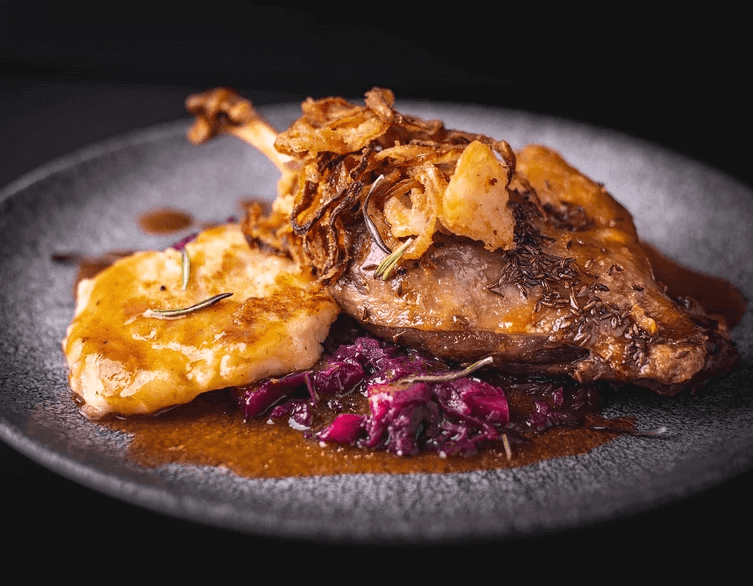
Every Goose Dish Worth Standing in Line For: Budapest’s St. Martin’s Day Feast Guide
There’s a Hungarian saying that goes: “He who does not eat goose on St. Martin’s Day will be hungry all year.” Now, we’re...

When Saints Hide in Goose Pens: The Delicious History of St. Martin’s Day in Budapest
Every November 11th, something magical happens across Budapest. Restaurants fill with the aroma of roasted goose, families gather for feasts that...
Budapest Crowned Europe’s Most Authentic Food Destination: Why the Hungarian Capital Beat Rome, Paris, and Barcelona
When travelers dream of Europe’s finest culinary destinations, their minds typically wander to Italy’s pasta perfection, France’s...
Budapest’s Goose Obsession: Where Tradition Meets Urban Gastronomy
A November Feast That Defines the City Every November, Budapest catches a delicious kind of fever. Restaurant windows glow with roasted goose, wine...
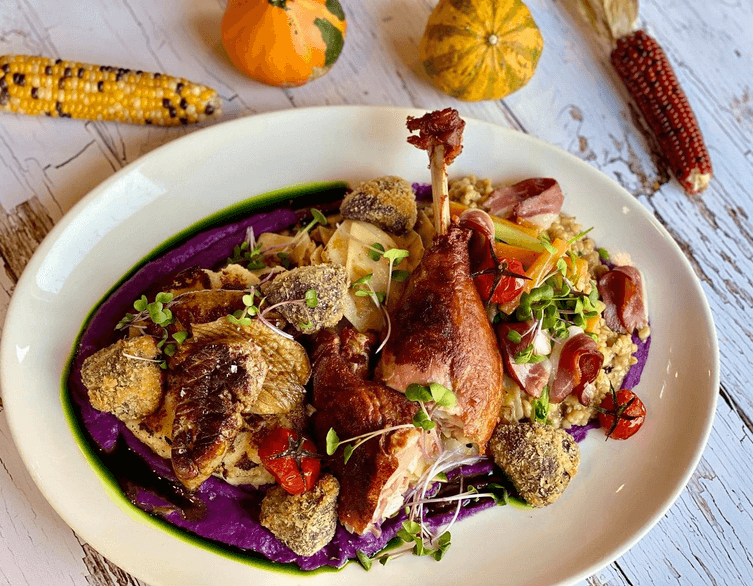
Budapest’s Secret Goose Paradises: Celebrate Márton-nap with a Flavor Explosion
November in Budapest isn’t just the start of chillier days—it’s the season for the city to put on its coziest apron and serve up one of...
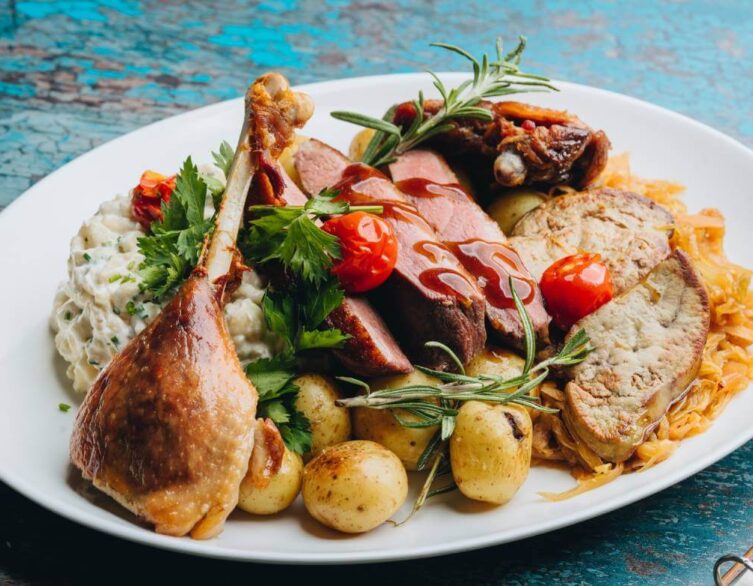
Saint Martin’s Day Culinary Celebrations in Budapest: Where to Feast
As November rolls around, Budapest’s restaurants prepare to celebrate Saint Martin’s Day with special menus featuring traditional goose...
The Goosebumps Festival: A Celebration of Wine and Tradition
Introduction As November’s gloomy weather sets in, Budapest lights up with the excitement of the Goosebumps Festival (Libabőr Fesztivál)....
Related events