Riding the Future: Budapest Celebrates Its 100th Modern CAF Tram
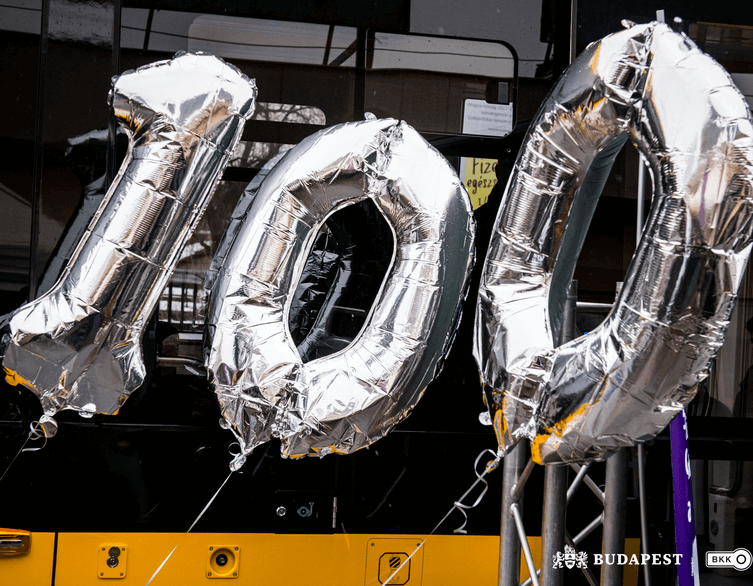
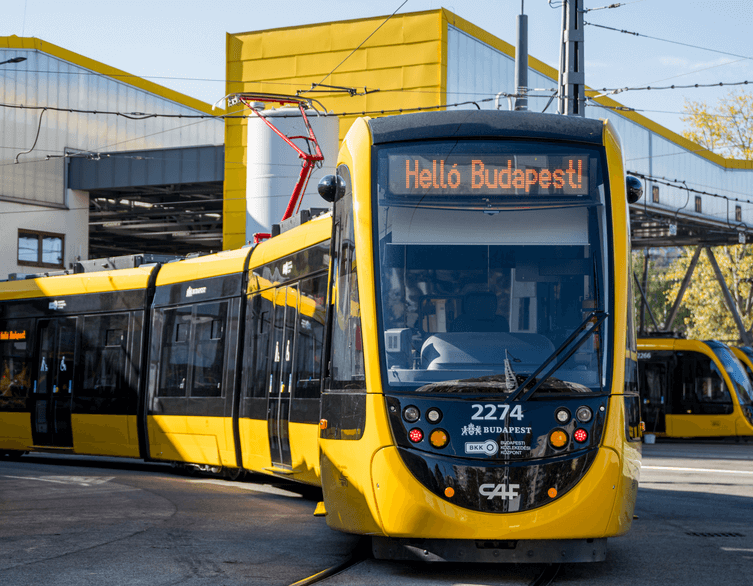
It’s been twenty years since Budapest’s first low-floor trams quietly rolled onto the city’s tracks. What started as a modernisation effort has grown into a symbol of urban renewal. Today, the Hungarian capital celebrates another milestone: the 100th CAF Urbos tram has officially entered service, continuing the city’s journey toward a fully accessible, sustainable, and passenger-friendly public transport network.
A Modern Icon in Motion
For first-time visitors, few things capture Budapest’s rhythm like watching a sunny yellow tram glide past the Danube or through leafy boulevards. Since their debut in 2015, the CAF Urbos trams have become part of this urban poetry. Built by Spanish manufacturer Construcciones y Auxiliar de Ferrocarriles, these sleek, low-floor vehicles are more than just public transport—they’re a statement of modern European design and inclusivity.
Each tram offers step-free access, efficient air conditioning, and silent, energy-saving operation. Whether you’re pushing a stroller, carrying luggage, or simply admiring the cityscape from Panorama Line 2 along the Danube, the new fleet ensures that getting around Budapest is as smooth as it is scenic.
The Power of Accessibility and Sustainability
Budapest’s commitment to accessibility is more than symbolic. Mayor Gergely Karácsony highlighted that mobility “is a matter of civilization,” emphasizing that everyone—from families to seniors and people with disabilities—deserves equal access to comfortable transportation. This human-focused vision has driven Budapest’s efforts to renew its fleet through EU-supported programs that combine innovation with care for the environment.
Best deals of Budapest









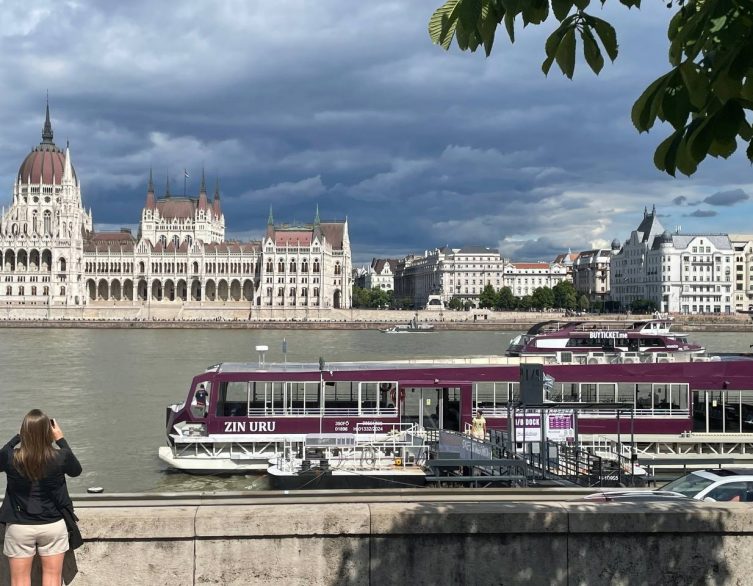
Choosing public transport in Budapest is not only convenient but also a green choice. The CAF network runs on electric power, helping reduce air pollution and traffic congestion. For travelers, hopping on a tram is one of the simplest ways to experience the city responsibly—while joining locals in shaping a more sustainable future.
From the Suburbs to the Heart of the City
While trams often bring to mind central landmarks like the Chain Bridge or Margaret Island, the CAF trams are busiest on the lines threading through Budapest’s outer districts. Lines 1 and 3, for example, stretch across entire sections of the city, connecting residential neighborhoods with business hubs and cultural attractions. This focus on the “real Budapest” means tourists who explore by tram discover corners of the city well beyond traditional sightseeing routes.
Upcoming projects will extend low-floor service even further, potentially reaching Line 2—the scenic Danube embankment route—along with several suburban lines. Once complete, Budapest could boast one of Europe’s largest contiguous modern tram fleets, with 124 trams operating daily across the city.
A Ride Worth Taking
At the public unveiling of the 100th tram on January 23, 2026, Budapest’s transport company BKK celebrated not just a number, but an achievement years in the making. The trams are now a fixture of daily life, recognized for their quiet performance, comfort, and reliability. For visitors, they’re a chance to step into local life and see Budapest from an authentic perspective—windows framing everything from grand Art Nouveau palaces to vibrant suburban streets.
As the city keeps moving forward, these yellow trams remind us that progress and tradition can share the same track. So next time you’re in Budapest, skip the taxi and ride the future—one tram stop at a time.
Related news
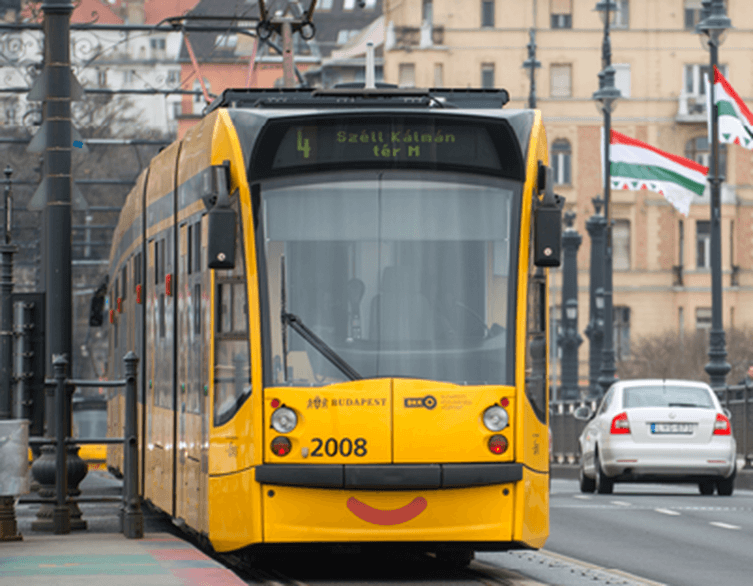
Budapest’s Giant Caterpillar Turns 20: The Remarkable Story of the Combino Tram
If you’ve ever ridden the iconic tram lines 4 or 6 along Budapest’s Grand Boulevard, you’ve almost certainly found yourself inside...
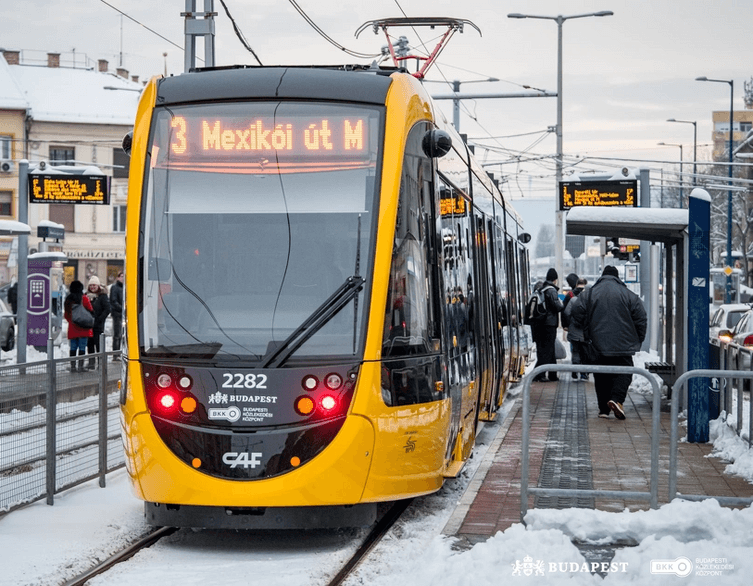
Budapest Welcomes Its 26th New CAF Tram: A Step Forward in Modern City Travel
Budapest’s famous yellow trams are getting a modern makeover. As of January 2026, the city’s public transport company, BKK, has officially introduced...
Budapest Buzz: Tram System Gets New Electrical Infrastructure
The Future of Budapest’s Tram Network Budapest is on the brink of a transformative leap in public transportation, with ambitious plans to modernize...
Budapest’s Public Transport Revolution: New Trams and Buses Transform the City
If you’ve been exploring Budapest on a sunny autumn day recently, you might have already experienced the city’s latest addition to its...